Shadow work is a reflective practice: writing honestly about the parts of yourself you usually edit out — the envy, the grudge, the fear you would rather not admit to. The term comes from Jungian psychology, where the “shadow” names the disowned parts of the personality. Paired with the chakra system, it becomes a structured journaling practice: each energy center offers a theme, and you write about where that theme is easy for you and where it is not. This is self-reflection, not therapy, and it is not a substitute for professional support when life gets heavy. It is simply a way of being honest on paper, with a crystal in hand as a steady point of focus.
In chakra tradition, certain stones are believed to suit this honest mood — dark, grounding stones for safety, and clear ones for seeing plainly. This guide explains the pairing, gives a prompt per chakra, and sets out the ground rules that keep the practice kind. Our grounding stones meaning guide is good background reading before you begin.
The Crystals Traditionally Used for Shadow Work
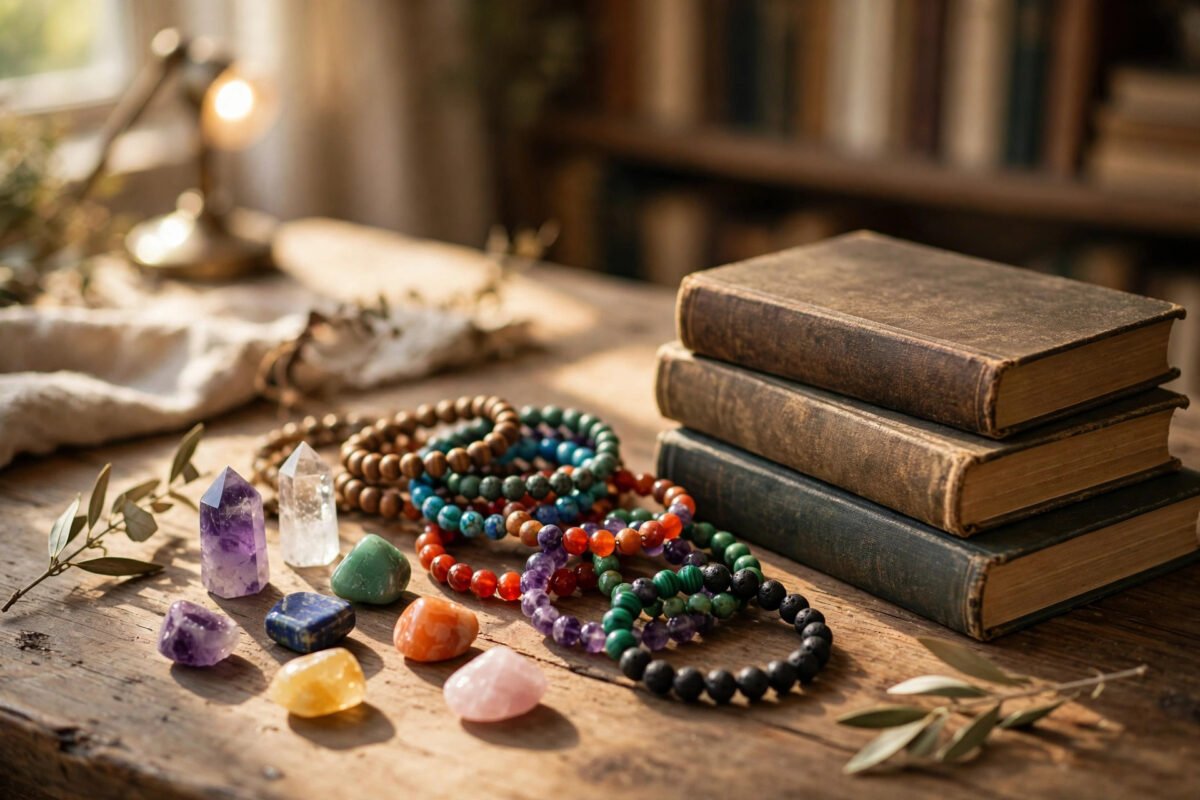
Black obsidian is the classic shadow work stone. Traditionally associated with protection and unflinching honesty, it is the one people reach for when they want the journal page to tell the truth. Smoky quartz is its gentler sibling, linked with grounding and releasing heaviness. Labradorite, with its hidden flashes of colour, is traditionally paired with the third eye for noticing what sits beneath the surface, and amethyst is used for calm, clear reflection — see our amethyst meaning guide for its background.
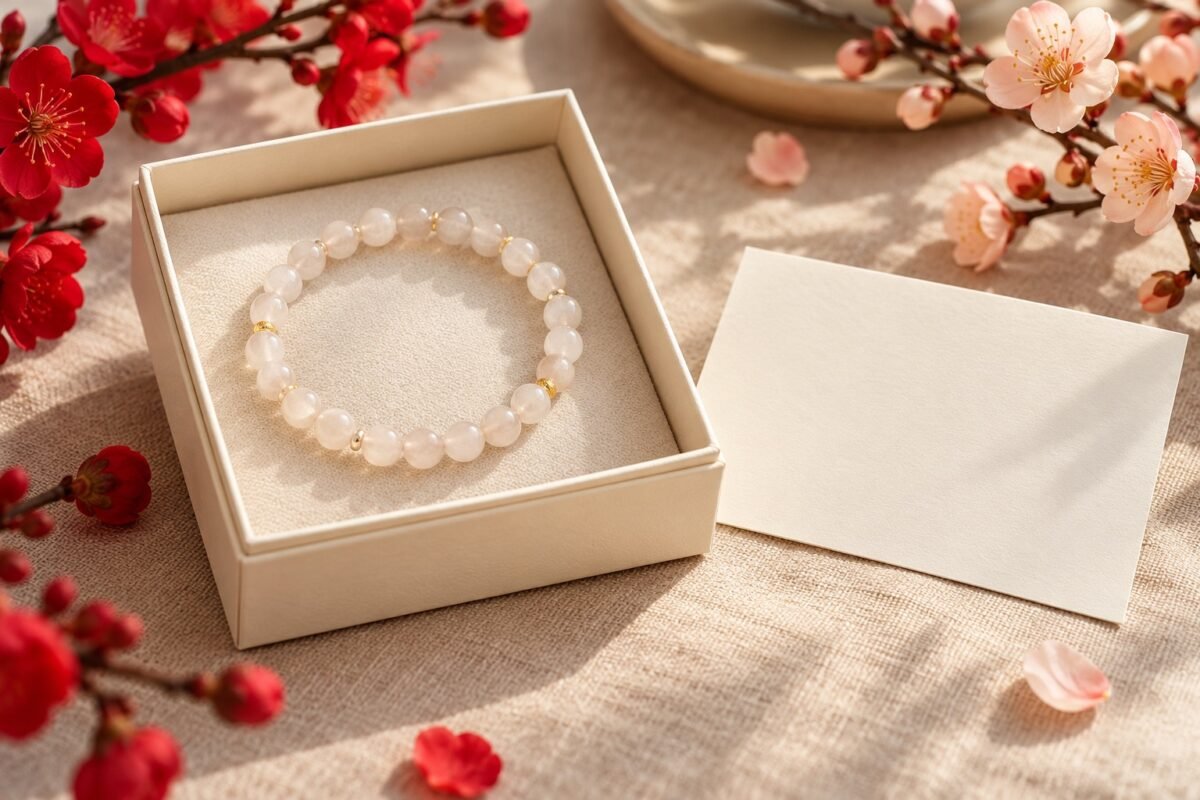
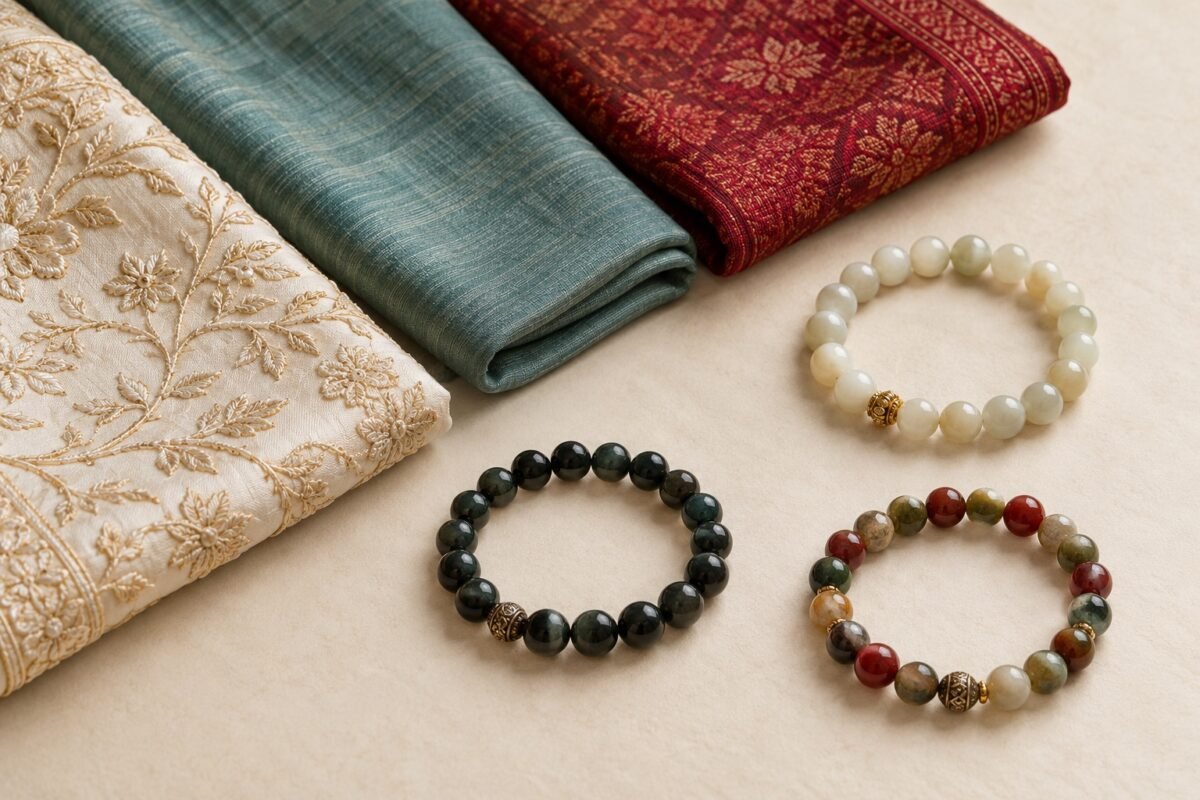
Rose quartz has a place here too, at the end of a session. After honest writing, many people hold rose quartz or wear the Vòng tay tình yêu bằng thạch anh hồng as a reminder to meet what they wrote with some compassion. Our rose quartz meaning guide và heart chakra stones guide explain that association. An AVENSU obsidian bracelet is a practical session companion: worn rather than held, it leaves both hands free for writing.
You do not need the full set. One dark stone for the writing and one soft stone for the close is the traditional minimum, and both are available in the Cửa hàng AVENSU.
Prompts by Chakra
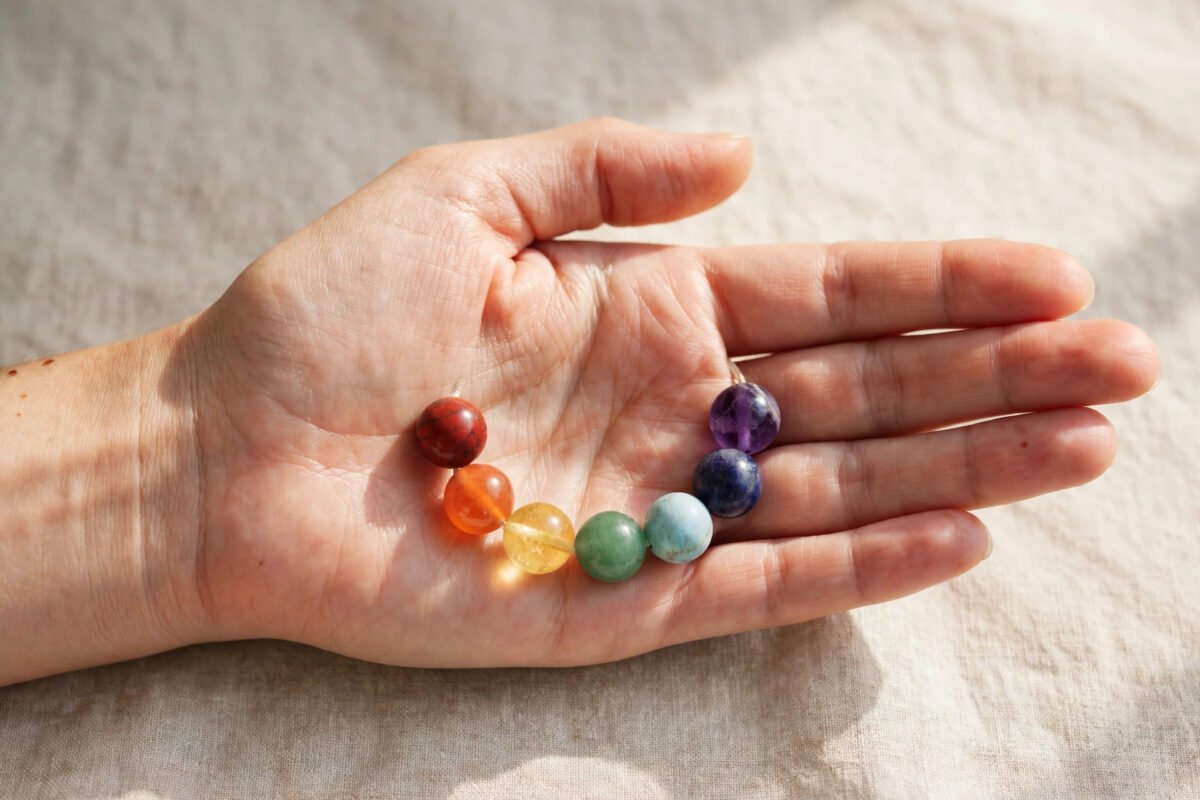
Work with one center per session. Root: What do I do when I feel unsafe or scarce, and who taught me that? Sacral: Which of my feelings do I judge most harshly, and what does it actually want? Solar plexus: Where do I give my power away to keep the peace? Our notes on solar plexus chakra crystals pair well with this one. Heart: Who have I not forgiven — including, possibly, myself — and what is that costing me?
Throat: What sentence have I been swallowing for months? Third eye: What do I already know that I am pretending not to know? Crown: What would I do this season if I trusted that life is not only my own effort? Write fast, privately, and without polishing. Ten to fifteen minutes per prompt is enough. These prompts extend the journaling approach in our broader crystal journaling work and sit naturally beside a morning crystal ritual, though most people prefer evenings for shadow sessions.
Close every session deliberately: stone down, journal shut, one ordinary comforting thing — tea, a shower, a walk. Shadow work that bleeds into the whole evening stops being a practice and becomes a mood.
Ground Rules That Keep It Kind
First, privacy is non-negotiable. Shadow journals are written for no audience; keep yours somewhere safe, or destroy pages you do not want kept. Second, small doses. One prompt, once or twice a week, beats a heroic weekend of excavation. Third, stop rules: if a session leaves you distressed rather than thoughtful, close the journal, ground yourself with something sensory and ordinary, and consider whether the topic belongs with a trusted person or a professional instead. Reflection should leave you clearer, not rawer.
Finally, let the crystals stay in their lane. In this practice they are focus objects and ritual markers, traditionally believed to support steadiness and honesty — they are not diagnostic tools, and no stone can tell you what your journal means. That interpretation is yours. For background on the psychological concept itself, see the Wikipedia overview of the shadow in Jungian psychology.
Các câu hỏi thường gặp
Is shadow work a form of therapy?
No. As described here, shadow work is a reflective journaling practice for personal insight. It does not diagnose or treat anything, and it is not a replacement for therapy or medical care. If difficult material keeps surfacing, working with a qualified professional is the right next step.
Which crystal is best for a first shadow work session?
Smoky quartz is the gentlest starting choice, traditionally associated with grounding and calm release. Black obsidian is the classic stone for this work but many beginners find its symbolism intense; start soft, and add obsidian once the journaling habit itself feels safe and familiar.
How often should I do chakra shadow work?
Once or twice a week, one chakra per session, is a sustainable rhythm. Rotate through all seven centers, then repeat the cycle — the same prompt written three months apart often shows quiet progress better than any other measure.
What should I do with my journal pages afterwards?
Keep them somewhere private, reread them monthly if that feels useful, or destroy them. Many practitioners keep only a one-line summary per session. There is no correct choice, only the one that keeps you honest next time you open the journal.








 English
 Vietnamese