Every crystal collector eventually asks the same question: after cleansing my bracelet, should I charge it in sunlight or moonlight? Sunlight is fast and energizing — but it can permanently fade some favorite crystals. Moonlight is gentle and safe for everything. This guide compares both methods stone by stone, so you can choose the right one for every bracelet you own.
What Does “Charging” a Crystal Actually Mean?
In crystal practice, cleansing and charging are two different steps. Cleansing removes accumulated energetic “residue” — the heaviness a bracelet picks up from daily wear and stressful days. Charging is what comes after: placing the stone in a natural energy source so it feels refreshed and ready to carry your intention again. Think of it as the stone’s reset after a long week.
You can explore more of these reset practices in our crystal rituals collection, including our Nghi thức thanh tẩy vòng tay trăng tròn for a deeper monthly reset.
Charging Crystals in Sunlight: The Fast, Fiery Method
Sunlight charging is the sprinter. Direct morning sun for one to two hours is the standard recommendation, and many practitioners feel their stones come back brighter, bolder, and more “awake.” Solar energy is traditionally associated with vitality, confidence, and action — so sun-charged bracelets are often chosen for daytime wear, work goals, and new projects.
How to charge in sunlight:
- Place your bracelet on a windowsill or balcony that gets direct morning sun, ideally before 10 a.m. when the light is strong but not scorching.
- Keep it to one to two hours. More is not better — especially for colored stones.
- Set a clear intention as you place the bracelet down. A simple spoken sentence works: “May this bracelet support my focus today.”
- Bring it inside afterward. Leaving crystals baking on a sill all afternoon invites fading, not extra energy.
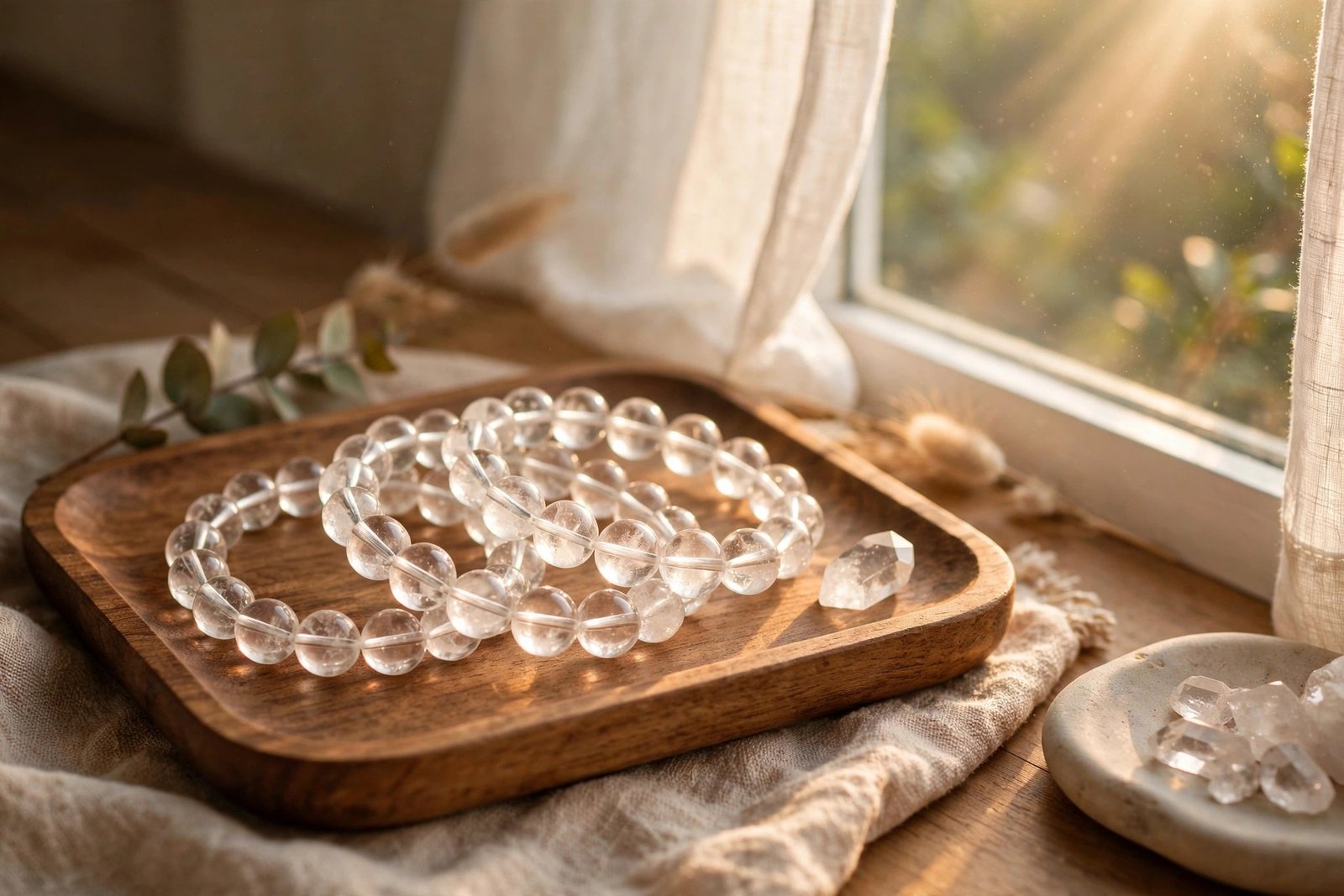
Sun-safe stones include clear quartz, smoky quartz, obsidian, carnelian, and tiger’s eye. Clear quartz — one of the most common bracelet stones, which you can read about on the Trang về khoáng vật thạch anh — is famously unbothered by sun exposure. Our vòng tay thạch anh trong suốt is a perfect candidate for a morning sunlight charge.
Charging Crystals in Moonlight: The Gentle, Universal Method
Moonlight charging is the method that works for everything. Lunar energy is traditionally associated with intuition, emotional balance, and calm — which makes a moonlight charge ideal for bracelets you wear for rest, reflection, or relationships. The full moon is the classic choice, but any clear night works; the three nights around the full moon are considered the peak window.
How to charge in moonlight:
- Place your bracelet somewhere it will catch moonlight — a windowsill, balcony railing, or garden stone — at dusk.
- Leave it overnight and collect it in the morning. No rush; moonlight is gentle enough that “too long” is rarely a concern.
- If the night is cloudy, the charge still counts in most traditions. The moon’s cycle matters more than visible moonbeams.
- Pair the ritual with journaling or intention-setting. Our moonstone balance ritual is designed around exactly this kind of evening practice.
Moonstone, selenite, pearl, and opal are the classic moonlight stones — but honestly, every stone on your shelf can be moon-charged without worry. That universality is moonlight’s biggest advantage.
Sunlight vs Moonlight: Head-to-Head Comparison
- Speed: Sunlight needs 1–2 hours; moonlight needs a full night (or three).
- Safety: Moonlight is safe for every stone. Sunlight can fade amethyst, rose quartz, citrine, fluorite, and kunzite.
- Energy feel: Sunlight is traditionally associated with activation and outward energy; moonlight with receptivity and inward calm.
- Phù hợp nhất cho: Sunlight suits work bracelets and durable quartz-family crystals. Moonlight suits emotional-support bracelets, sleep stones, and anything delicate or deeply colored.
Which Stones Should Never Charge in Direct Sun?
This is the section that saves bracelets. Certain crystals are photosensitive — their color literally bleaches under UV light, and the damage is permanent. The amethyst mineral page notes that amethyst can fade in tone when overexposed to light. Keep these stones out of direct sun, or limit them to a few minutes of gentle morning light at most:
- Amethyst and lavender quartz — the purple fades to pale grey.
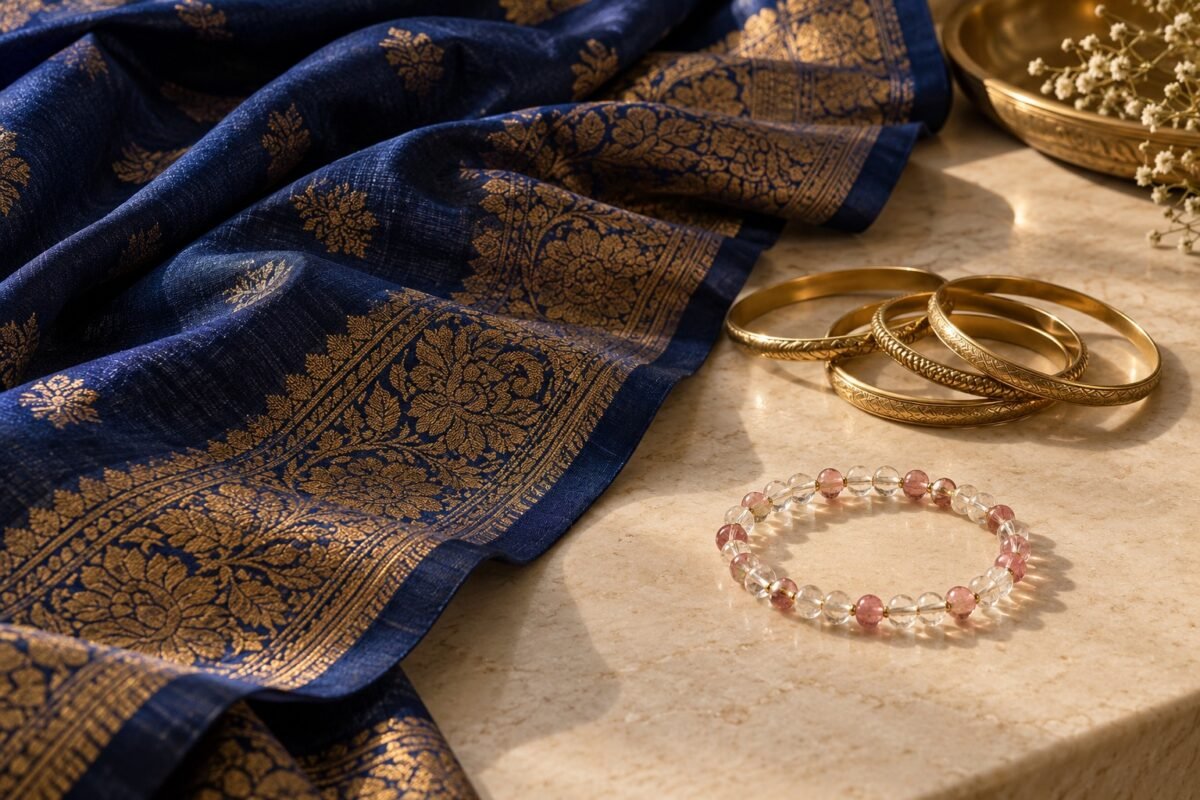
- Rose quartz — prolonged sun washes out the pink.
- Citrine, fluorite, and kunzite — all notoriously light-sensitive.
- Opal and turquoise — sun plus heat can dry and crack them.
When in doubt, choose moonlight. It charges every stone safely, and you will never ruin a bracelet by playing it safe.
How to Charge a Crystal Bracelet (Step by Step)
Bracelets deserve slightly different handling than loose stones — the elastic cord is the weak link. Follow this routine for either method:
- Cleanse first. A quick rinse under cool running water or a pass through incense smoke clears the slate. Charging a “full” stone is like pouring tea into a full cup.
- Choose your light. Morning sun (1–2 hours) for durable stones; moonlight (overnight) for everything else.
- Protect the elastic. Lay the bracelet flat rather than hanging it, and keep it off hot surfaces — heat degrades elastic faster than light does.
- Set an intention. Hold the bracelet for a few breaths and name what you want it to support. This is the part that makes the ritual yours.
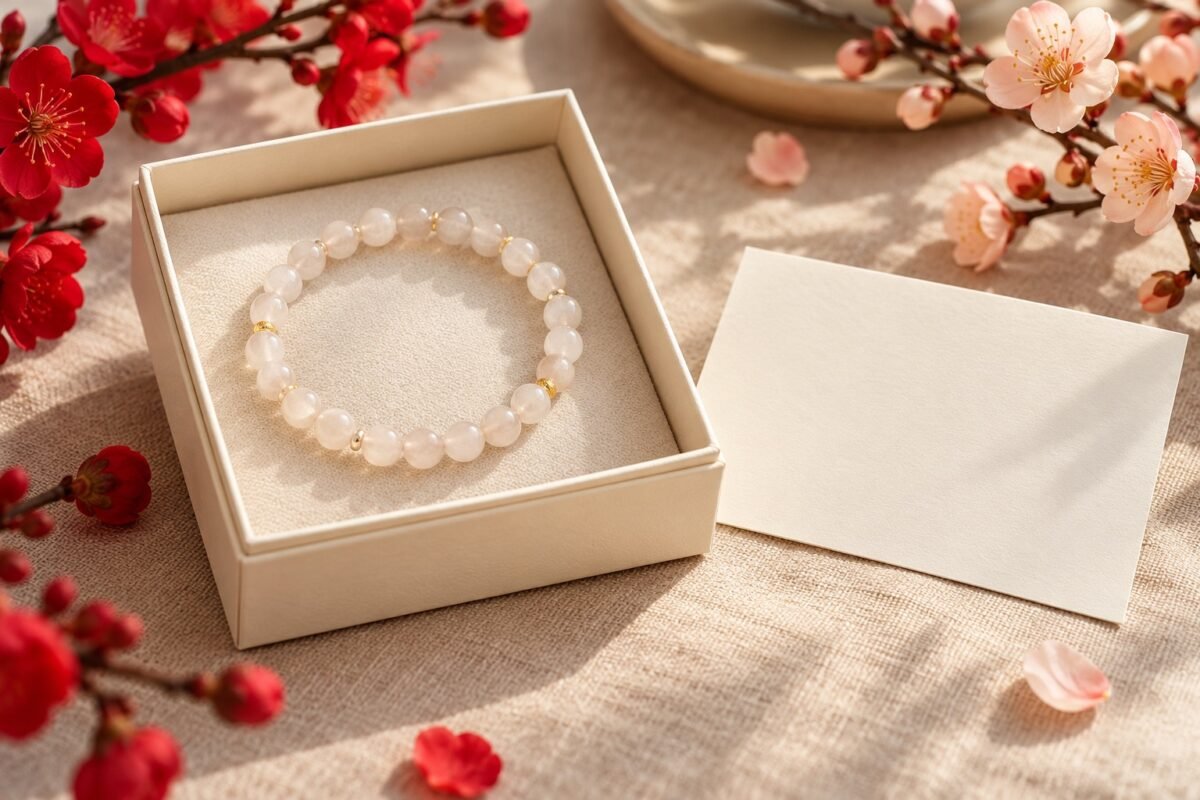
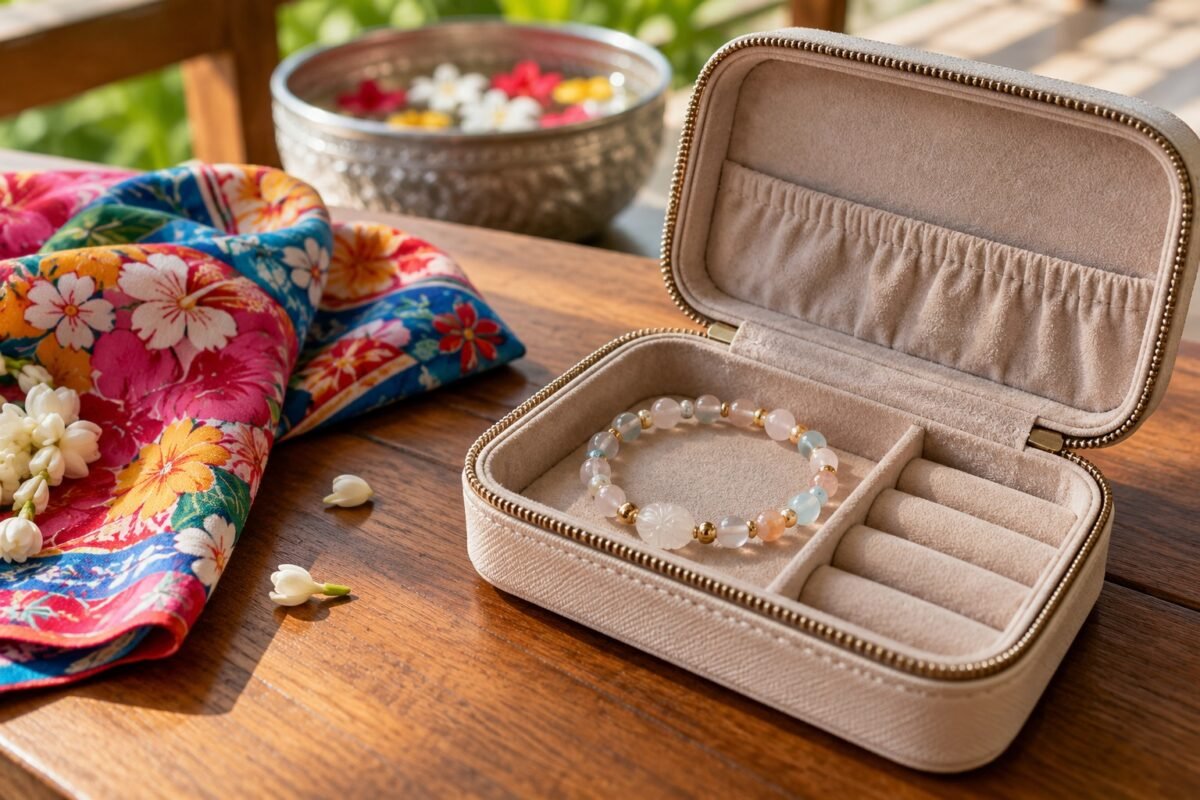
- Store thoughtfully after. A soft pouch or lined box keeps the charge “clean” until you wear it. Our Sunday reset cleansing ritual pairs well as a weekly companion to this practice.
Common Charging Mistakes to Avoid
- Charging without cleansing. Charge restores; it does not clean. Always cleanse first.
- All-day sun baths. Two hours of morning sun beats eight hours of harsh afternoon glare.
- Charging stones in a pile. Harder stones (quartz, hardness 7) can scratch softer ones (moonstone, fluorite). Give each bracelet its own spot.
- Forgetting the weather. A sudden rainstorm is fine for quartz but risky for elastic cords left soaking. Check the forecast.
“Charge like you mean it, but protect like you paid for it. The ritual takes minutes; a faded amethyst takes forever to forgive.”
Các câu hỏi thường gặp
Can I charge crystals in sunlight through a window?
Yes, with a caveat. Window glass filters some UV but not all of it, so sun-sensitive stones can still fade slowly behind glass. For durable stones like clear quartz or obsidian, a sunny windowsill is perfectly effective. For amethyst or rose quartz, moonlight remains the safer choice.
How often should I charge my crystal bracelet?
Most practitioners recharge weekly or monthly — a quick moonlight charge on each full moon works well, plus sunlight charges after an intense week. If a bracelet starts feeling “flat” or you stop noticing it, that is traditionally read as a sign it wants a charge.
Is moonlight charging effective on cloudy nights?
In most traditions, yes. The practice is tied to the lunar cycle rather than visible moonbeams, so the night of the full moon counts even behind clouds. If you want to be thorough, charge across all three nights surrounding the full moon.
Can I charge multiple bracelets at the same time?
Absolutely — just give each bracelet its own space so harder beads cannot scratch softer ones. Many collectors line up their whole weekly rotation on one tray for the full moon.












 English
 Vietnamese