If you have ever wished your mind felt a little quieter and your judgement a little clearer, a third eye meditation with amethyst is a gentle place to begin. This is a short, structured practice — ten minutes of breath, soft visualisation, and reflection — rooted in chakra tradition, where the third eye centre between the eyebrows is associated with insight and inner clarity, and amethyst is traditionally believed to bring calm focus to the mind. There are no complicated postures and no experience required. You simply sit comfortably, breathe slowly, and let a small violet stone give your attention a place to rest.
This guide gives you the full practice step by step, plus journaling prompts and grounding advice so the experience stays balanced. For background on the stone itself, see our amethyst meaning and properties guide.
Why Amethyst Is the Traditional Choice for This Practice
Amethyst has accompanied meditation for centuries. Ancient writers prized its violet colour, and modern mineralogy classifies it as a variety of quartz — the Gemological Institute of America documents its properties, sources, and care in detail. In chakra tradition, amethyst is traditionally associated with the third eye and crown centres, and believed to support a calm, clear state of mind: less mental chatter, more space to notice your own thoughts.
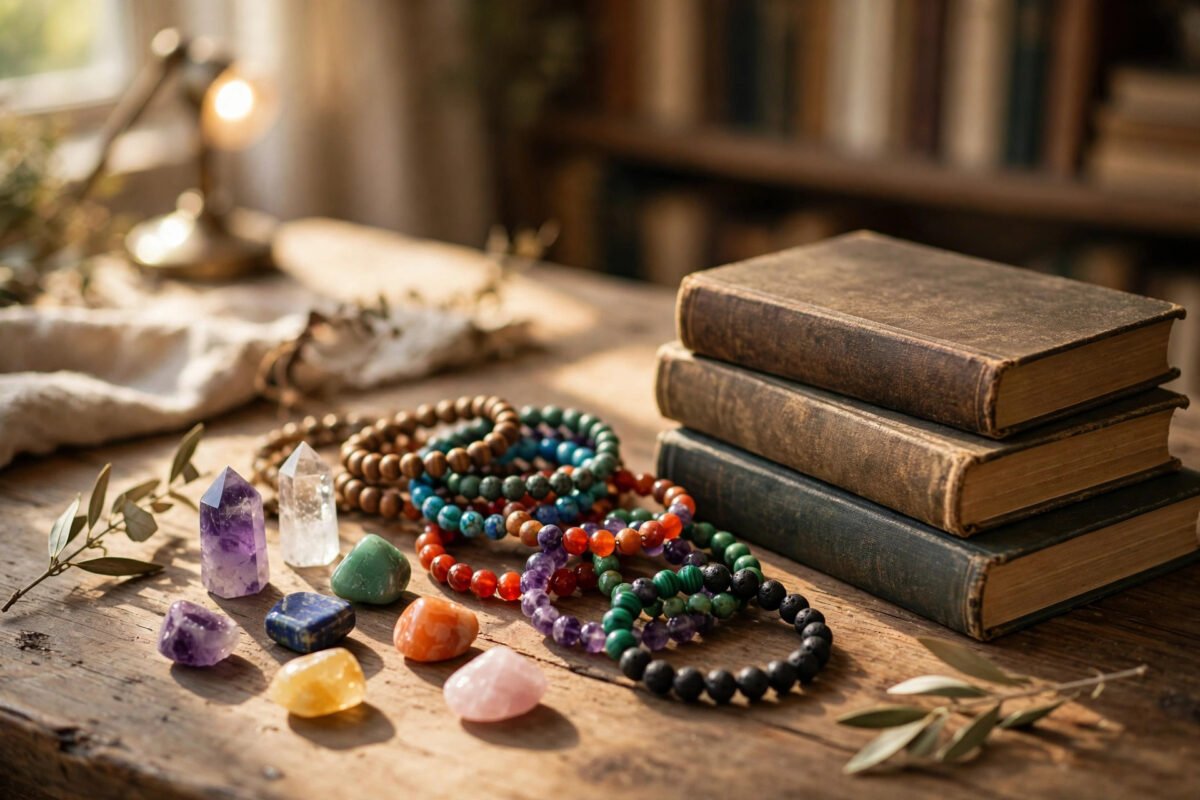
That combination is exactly what beginners need. Third eye practices can sound abstract, but holding or wearing amethyst makes them tangible. Your thumb finds the cool beads of a bracelet each time your attention drifts, and returning becomes simple. Our guide to third eye crystals explains how amethyst compares with labradorite and fluorite if you later want to expand your set.
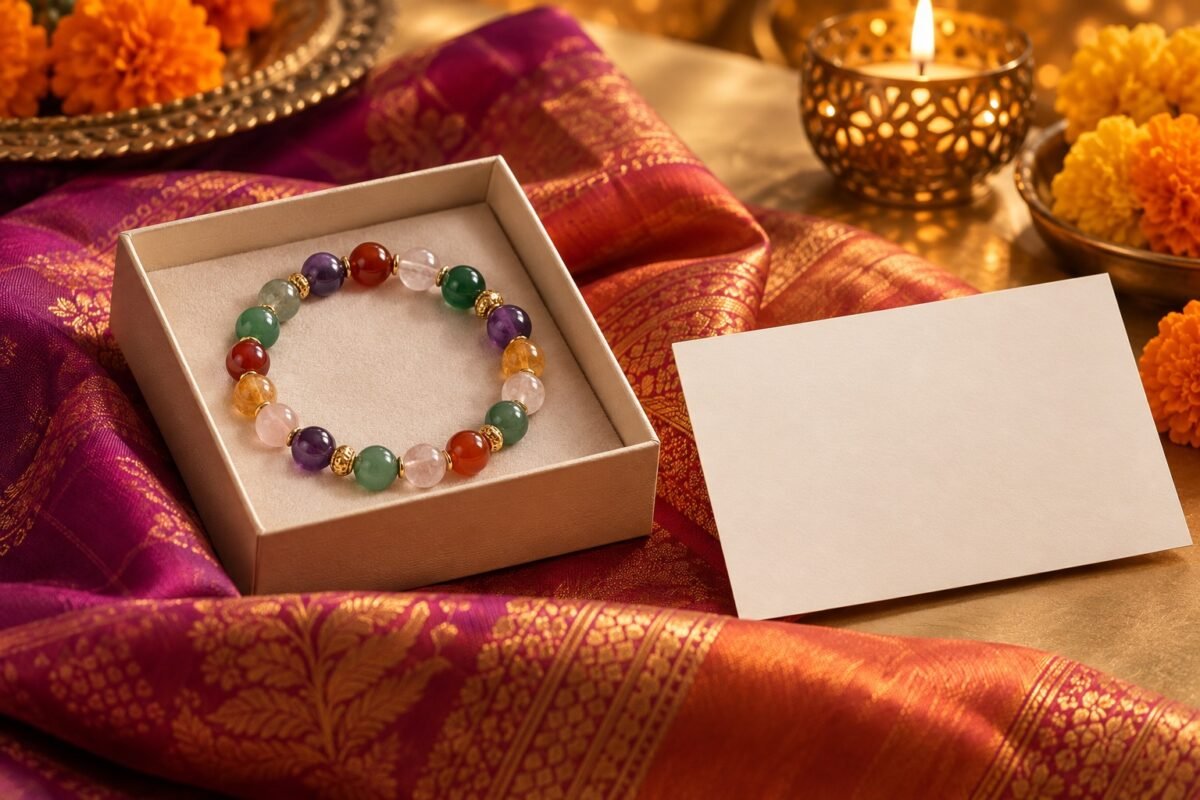
AVENSU’s amethyst bracelets are designed for this dual life, worn through the day and held during practice, and you can browse them in the Cửa hàng AVENSU. Before your session, a quick refresh with làm sạch bằng âm thanh helps mark a clear beginning.
Setting Up for a Calm Ten-Minute Session
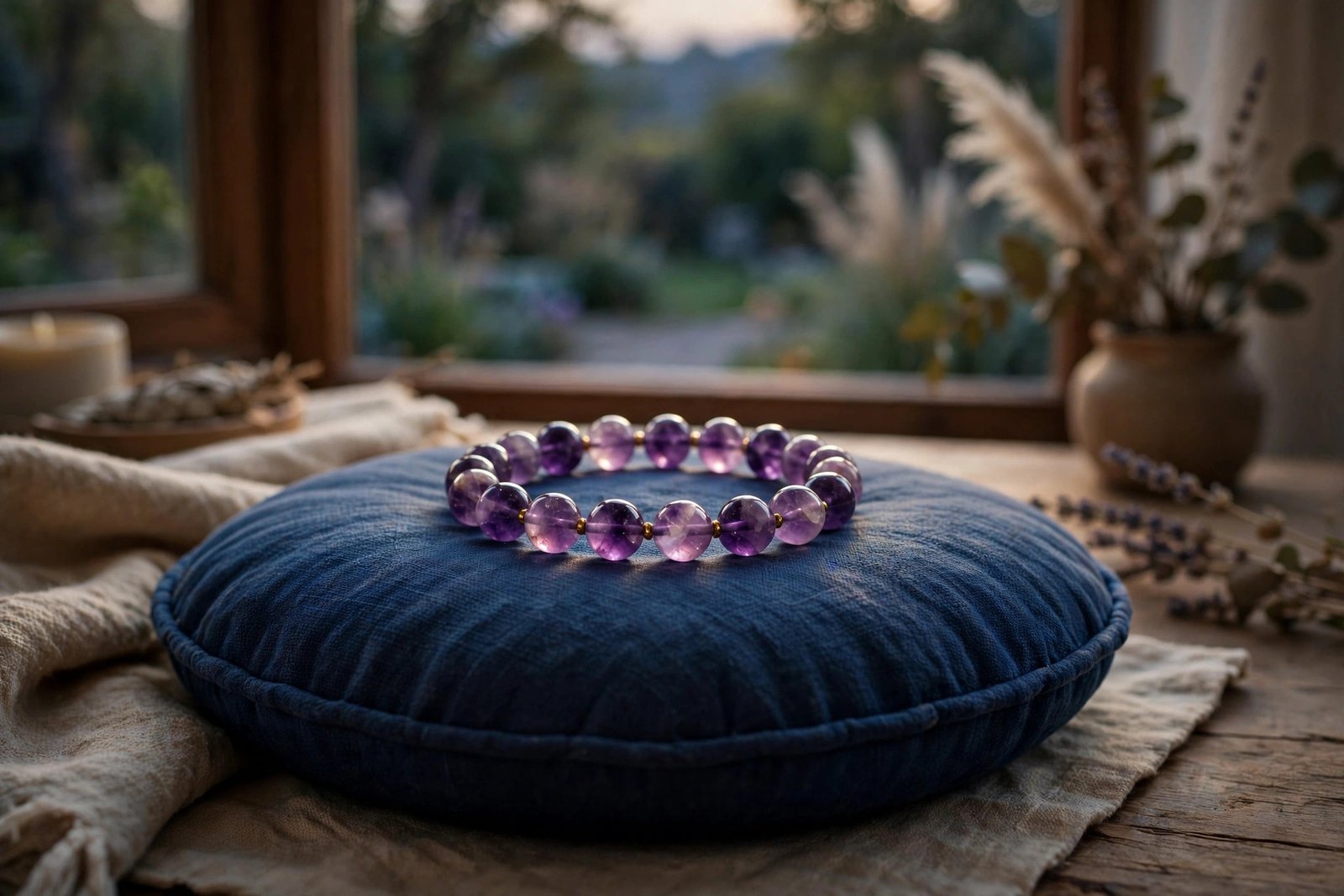
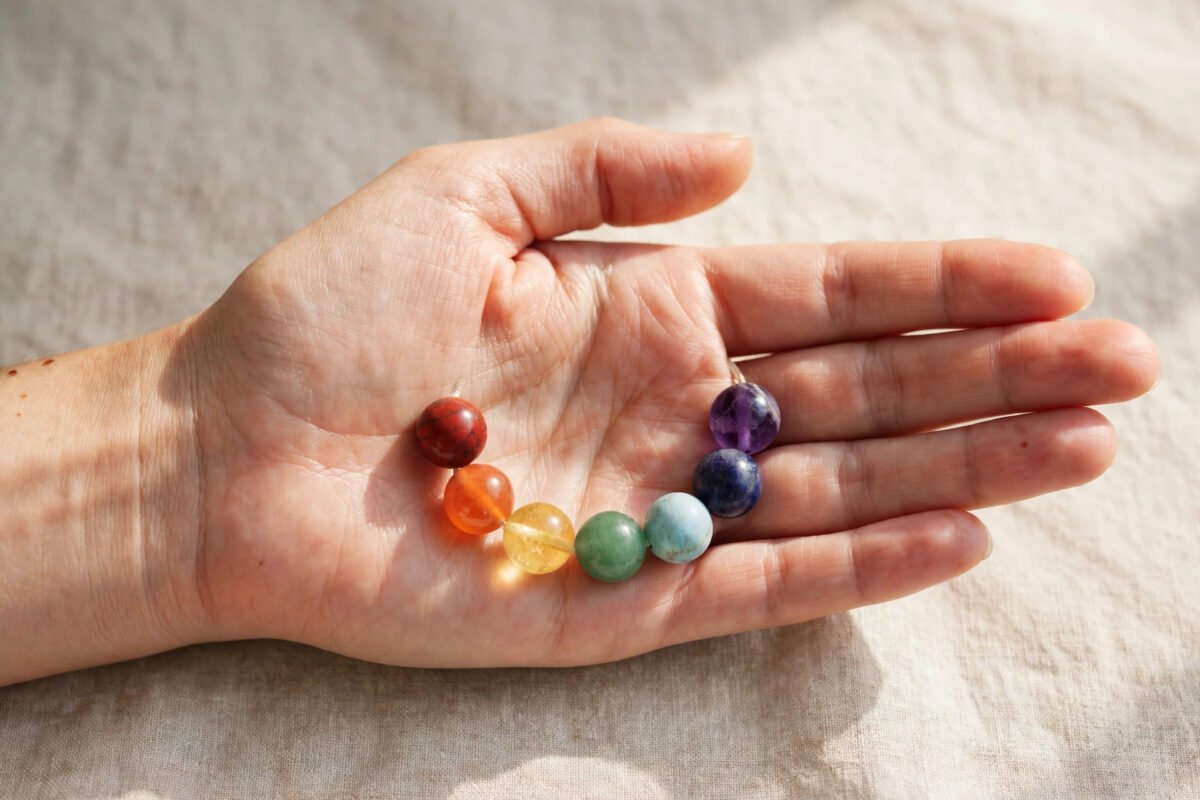
Evening suits this practice well, because the third eye is traditionally linked to dreams and reflection, but any quiet time works. Dim the lights slightly, silence your phone, and sit in a chair or on a cushion with your back supported. Rest your amethyst in your open palms or wear it on your wrist; some practitioners lightly place a small, smooth stone near the brow, but holding it is equally traditional and more comfortable for most people.
Begin by checking your state. If your mind is already racing and your body feels wired, start with two minutes of grounding instead — feet flat, attention on the floor, slow breaths — using the approach in our grounding stones guide. Our article on third eye blocked and overactive signs explains why this matters: a calm base makes for a clearer session.
Set a soft timer for ten minutes and choose one light intention, such as clarity without force, or simply to listen inwardly. Then close your eyes, or soften your gaze downward if closing them feels uncomfortable.
The Guided Practice: Breath, Light and a Single Question
Minutes one to three are for settling. Breathe naturally through your nose, lengthening the exhale a little. With each breath, let your forehead, jaw, and shoulders soften. Imagine the day’s noise settling like sediment in water — a traditional image for this stage.
Minutes three to seven introduce the visualisation. Rest your attention at the point between your eyebrows. Imagine a small, steady point of indigo or violet light there — nothing dramatic, more like a candle seen from a distance. Breathe as if the light brightens slightly on the inhale and softens on the exhale. If images, memories, or ideas drift through, note them without chasing them and return to the light. This gentle returning, repeated, is the meditation.
Minutes seven to ten hold a single question. Choose one in advance — what needs my attention this week, or what am I avoiding seeing clearly? Rest the question at the brow point without demanding an answer. Sometimes an answer arrives as a word or image; often it arrives later, in the shower or on a walk. Close by visualising the light softening and spreading evenly, then open your eyes slowly. The structure mirrors our crystal meditation for beginners, so it transfers easily to other centres like the crown chakra meditation.
Journaling Afterwards and Keeping the Practice Balanced
Keep a notebook beside you and write for three minutes after the timer ends. Record any images or phrases that appeared and date the entry. Over weeks, these notes become the real value of the practice. Our dream journal guide pairs naturally with this habit if you meditate before bed.
Balance is the final ingredient. Limit third eye sessions to ten or fifteen minutes, especially as a beginner, and always end with something ordinary: a glass of water, a stretch, a few lines about tomorrow’s plans. AVENSU readers who keep this grounding close report the practice feels sustainable rather than intense. Wear your amethyst the next day as a quiet reminder of the clarity you practised, following a morning crystal ritual if you enjoy bookending your day.
And keep expectations in their proper place: in tradition, amethyst is believed to support reflection, but meditation’s benefits come from your own regular practice. This ritual cannot predict the future or replace medical or mental-health care — it is a calm, traditional way to listen to yourself more carefully.
Các câu hỏi thường gặp
How long should a beginner’s third eye meditation be?
Ten minutes is ideal for beginners — long enough to settle and practise the visualisation, short enough to stay calm and consistent. Two or three sessions a week build the habit well. Experienced practitioners sometimes extend to twenty minutes, but longer is not automatically better, especially if your mind already feels overactive.
Where should I place the amethyst during meditation?
Holding it in your palms or wearing it as a bracelet are the most comfortable and common options. A small smooth stone can rest against the brow while lying down, but seated practitioners usually hold the stone instead. Comfort matters — if you are adjusting the stone constantly, your attention will follow it rather than your breath.
What if I see nothing during the visualisation?
That is completely normal, especially in early sessions. Visualisation is a skill that varies by person; some people sense a colour or feeling rather than seeing an image. Focus on the breath and the physical point between the eyebrows instead. The benefits of the practice come from sustained, gentle attention, not from vivid imagery.
Is it better to meditate with amethyst in the morning or evening?
Evening is traditional because the third eye is associated with dreams and end-of-day reflection, and many people find their minds quieter then. Morning sessions work too and can set a clear tone for decisions ahead. Choose the time you can keep consistently, and journal briefly afterwards either way.






 English
 Vietnamese