In yogic tradition, the heart chakra — Anahata, the “unstruck sound” — sits at the center of the chest and governs love, compassion, and emotional balance. Three stones appear in nearly every heart chakra collection: rose quartz, green aventurine, and jade. Each carries a different shade of heart energy, from tender self-love to optimistic openness to serene harmony. This guide explains what each stone is traditionally associated with and how to work with them in daily life.
A Quick Primer on the Heart Chakra
Anahata is the fourth of the seven primary chakras, located at the center of the chest. In Sanskrit its name means “unstruck,” and it is traditionally linked with compassion, emotional openness, and the capacity for unconditional love — you can read the classical description on the Anahata page. Its associated color is green (sometimes pink), which is why green and pink stones dominate heart chakra jewelry.
You do not need to subscribe to chakra theory to use these stones meaningfully. Think of the heart chakra framework as a poetic map of emotional life — and the stones as tactile reminders to tend to it. For broader stone-by-stone background, our crystal meaning guides cover the wider crystal library.
The Three Core Heart Chakra Stones
Rose Quartz: Unconditional Love
Rose quartz is the undisputed queen of heart stones. Its soft pink color and gentle translucence have made it the symbol of love in crystal tradition for centuries — traditionally associated with compassion, emotional comfort, and tenderness toward yourself as much as others. It is the stone of the rose quartz vs rhodonite comparison for anyone deciding between the two great love stones.
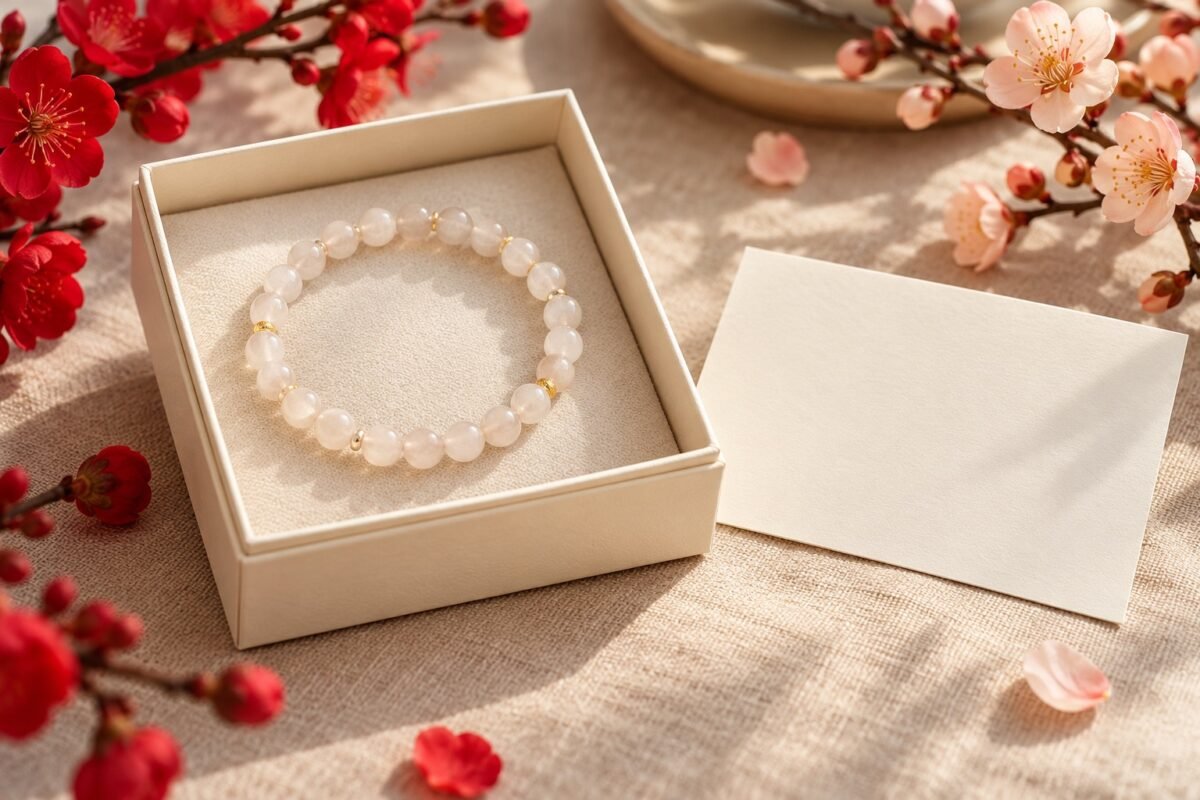
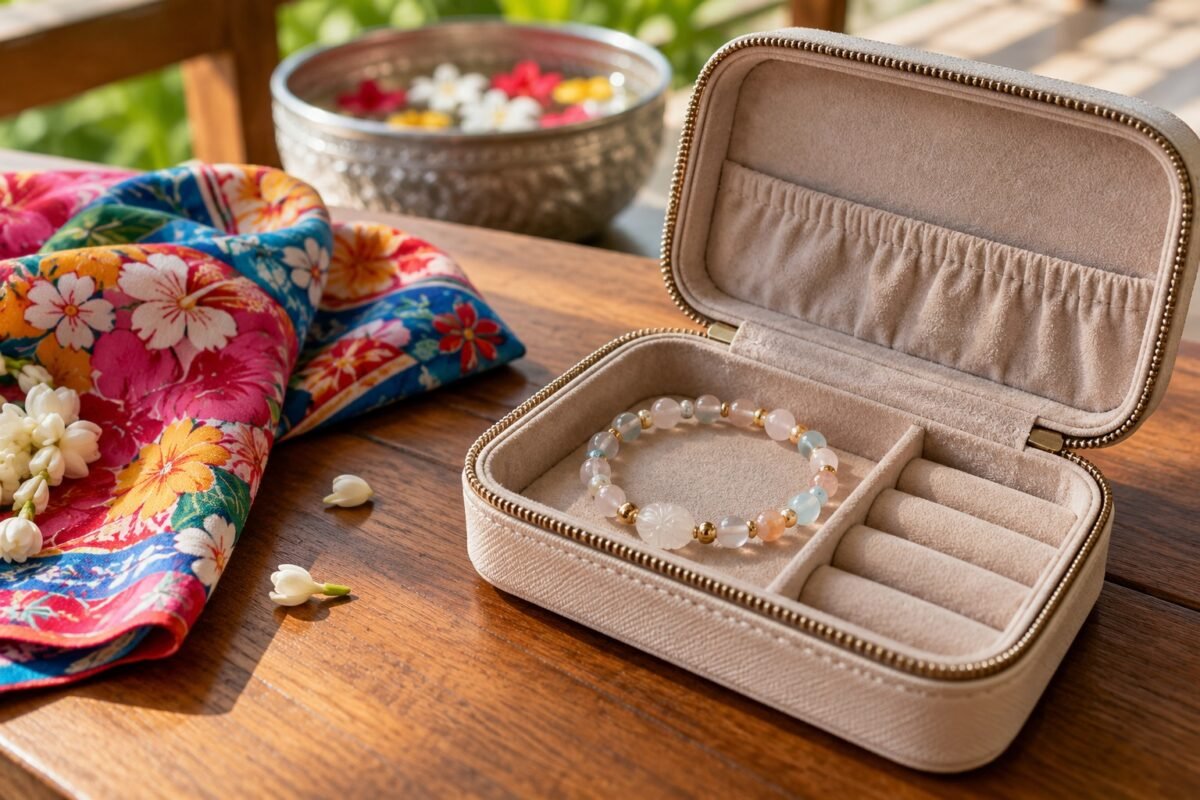
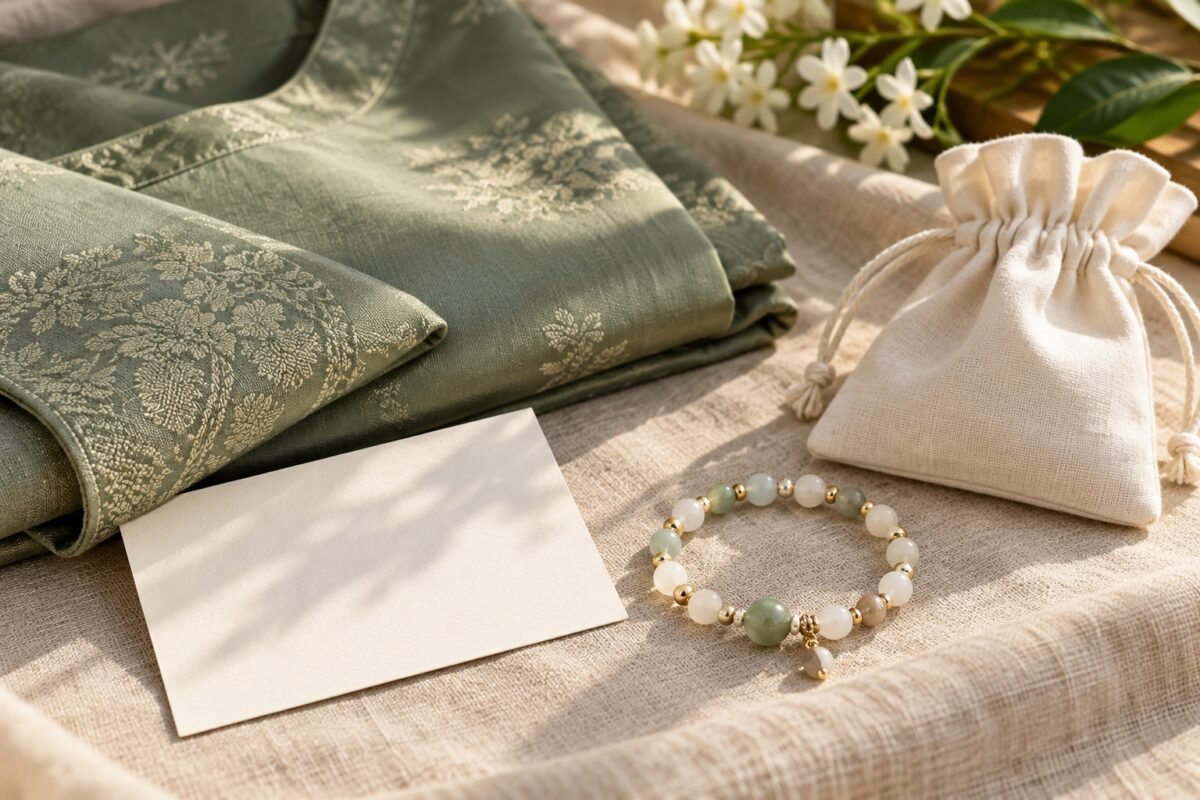
Wear rose quartz when you want to soften self-criticism, open up to receiving care, or simply carry a reminder of warmth through an ordinary day. It is also the most gifted of the three — a rose quartz bracelet given with a handwritten note is one of the most meaningful presents you can offer.
Green Aventurine: Optimism and Openness
Green aventurine is quartz flecked with mica, giving it a fresh spring-green shimmer. Where rose quartz is tender, green aventurine is traditionally associated with optimism, opportunity, and emotional resilience — the courage to stay open-hearted after disappointment. Crystal lore sometimes calls it the “stone of opportunity,” linking an open heart with a willingness to welcome what comes.
Choose green aventurine when your heart work is about forward motion: starting over after a breakup, saying yes to new friendships, or approaching a difficult conversation with generosity instead of armor. Its green color also ties it directly to the heart chakra’s traditional color.
Jade: Serenity and Harmony
Jade — most often nephrite or jadeite in jewelry — has been treasured in Chinese culture for millennia as a stone of purity, wisdom, and harmony. In heart chakra work it is traditionally associated with emotional balance and peaceful relationships: less about passionate love, more about steady, harmonious connection.
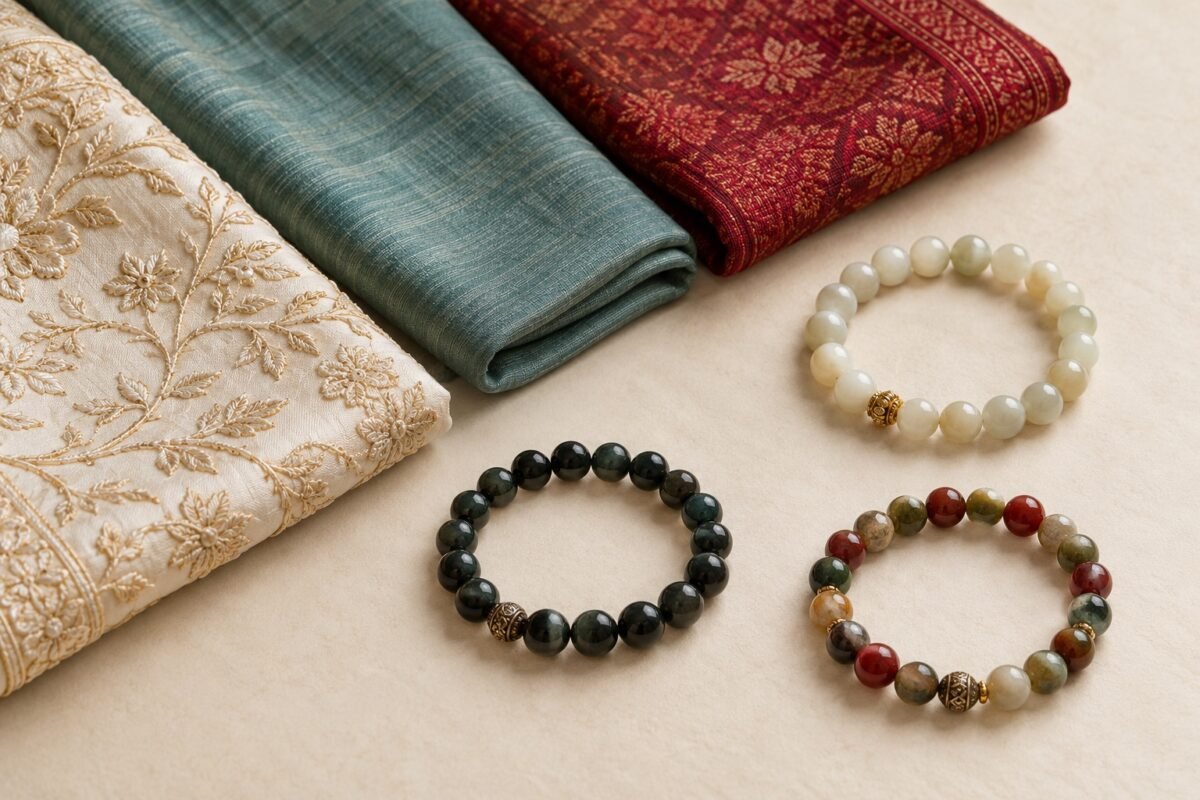
Jade suits people who find rose quartz almost too soft. Its energy, in traditional terms, is calm and dignified — the stone of the long marriage, the deep friendship, the family that weathers everything. A white or green jade bracelet brings an understated elegance that works in any setting, from office to evening.
How to Work With Heart Chakra Stones
- Wear one daily as a touchstone. Choose the stone that matches your current season — rose quartz for tenderness, green aventurine for openness, jade for harmony — and let it be a physical reminder of your intention.
- Try a 2-minute heart pause. Place your bracelet hand over your chest, breathe slowly, and silently name one thing you appreciate about yourself and one about someone you love. Small, daily, and surprisingly potent.
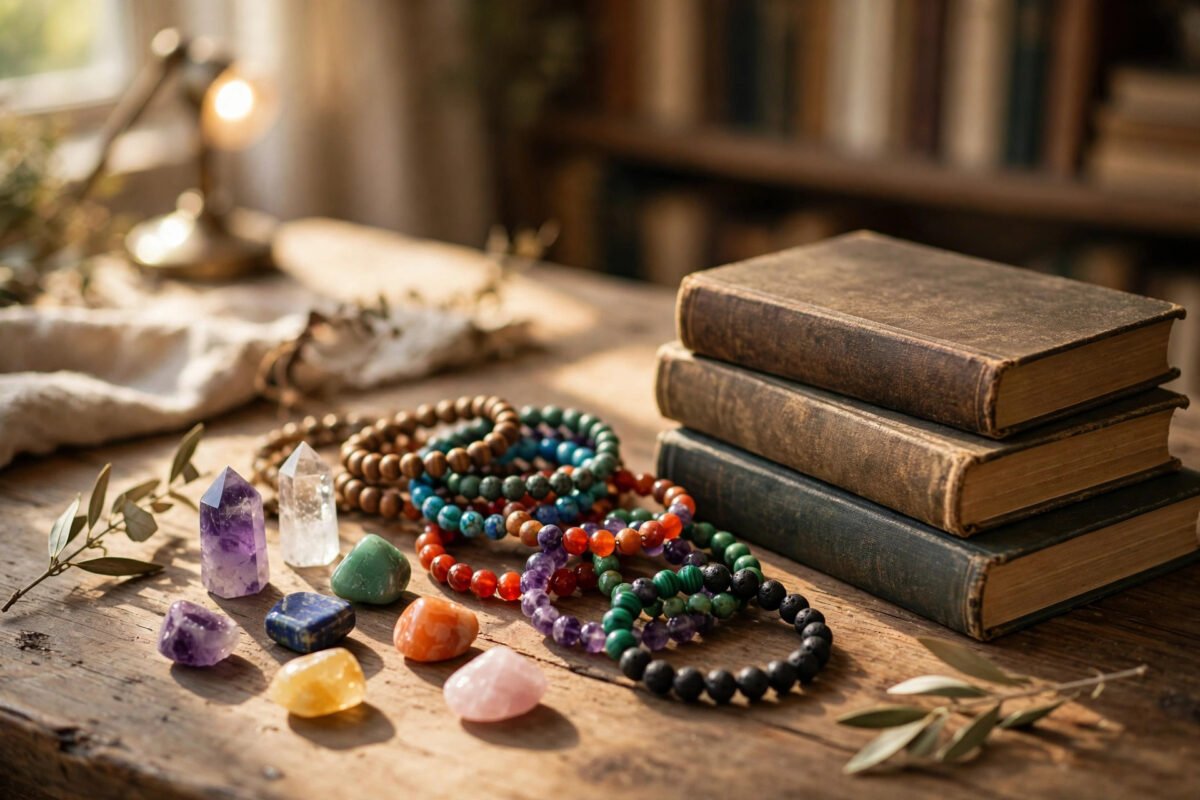
- Stack all three for the full spectrum. Rose quartz + green aventurine + jade is a classic heart chakra stack: love, openness, and harmony in one glance at your wrist.
- Pair with intention-setting. At the new moon, hold your heart stone while writing one intention about how you want to love and be loved this cycle — our new moon intention ritual walks through the practice.
“The heart chakra is not about loving perfectly. It is about staying open — to yourself first, and then to everyone lucky enough to be loved by you.”
To begin your own heart chakra practice, the rose quartz love bracelet is our most-loved starting point — soft pink beads, comfortable fit, and ready to wear from the moment it arrives. Pair it with the green aventurine bracelet when you are ready to add openness to tenderness.
Frequently Asked Questions
Which stone is best for the heart chakra?
Rose quartz is the most widely used heart chakra stone, traditionally associated with unconditional love and compassion. Green aventurine and jade are the classic companions — aventurine for optimism and openness, jade for serenity and harmonious relationships. Many people work with all three.
Can I wear multiple heart chakra stones at once?
Yes. Rose quartz, green aventurine, and jade are traditionally considered fully compatible and are often stacked together as a heart chakra set. There are no conflicting associations between them in crystal lore.
How do I know if my heart chakra needs attention?
In chakra tradition, signs of an imbalanced heart chakra include difficulty trusting, holding grudges, or feeling closed off — as well as the opposite, giving so much you feel drained. These are poetic frameworks, not diagnoses; use them as prompts for reflection, not as medical guidance.
How long should I wear a heart chakra bracelet?
As long as it feels meaningful. Some people wear one stone for a season or a specific intention, then rotate. There is no required duration — consistency matters more than permanence, and even a few mindful minutes a day counts as practice.








 English
 Vietnamese