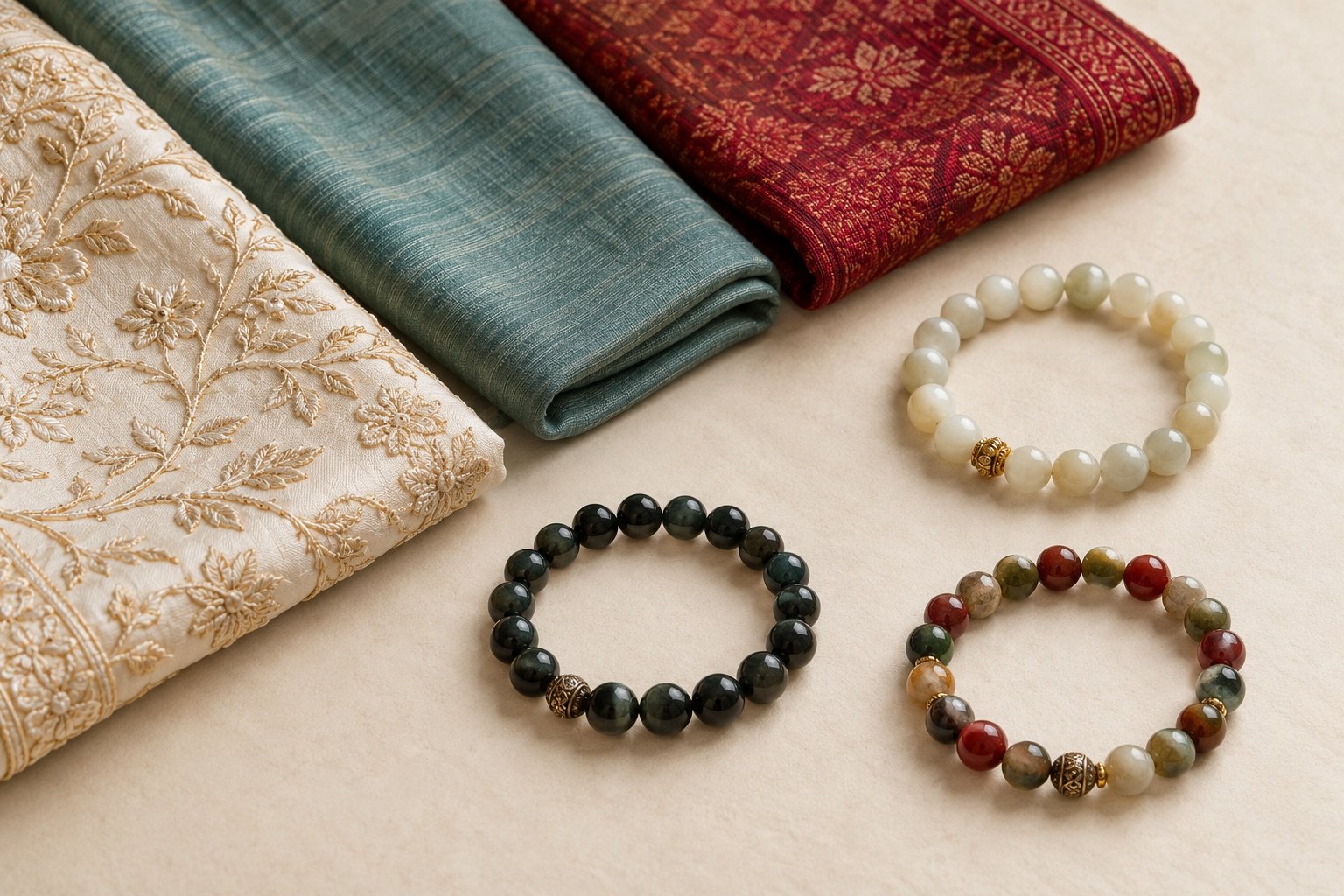
Southeast Asian formalwear bracelets are easier to choose when the starting point is the garment, not a supposed universal gemstone meaning. An áo dài sleeve, a Barong Tagalog cuff, a terno silhouette and a silk or sari drape each create different visual space at the wrist. This guide is a comparison tool, not a claim that the region shares one dress code.
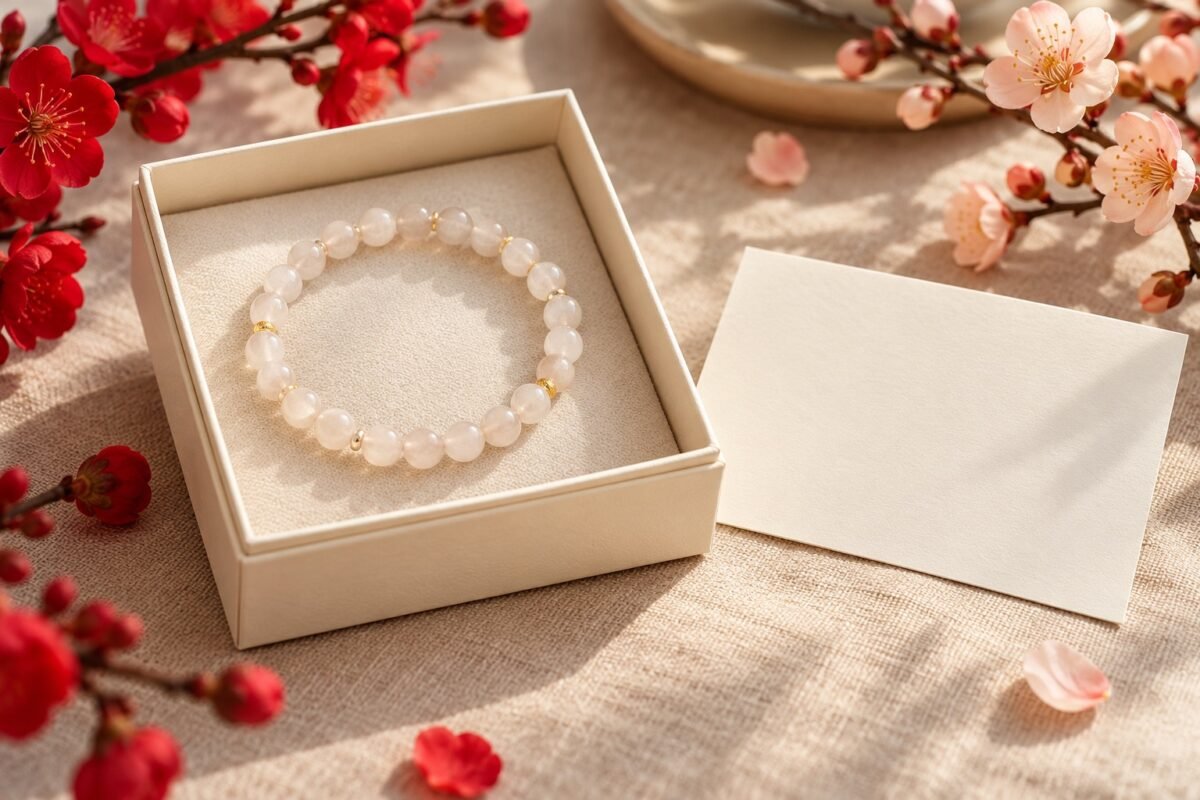
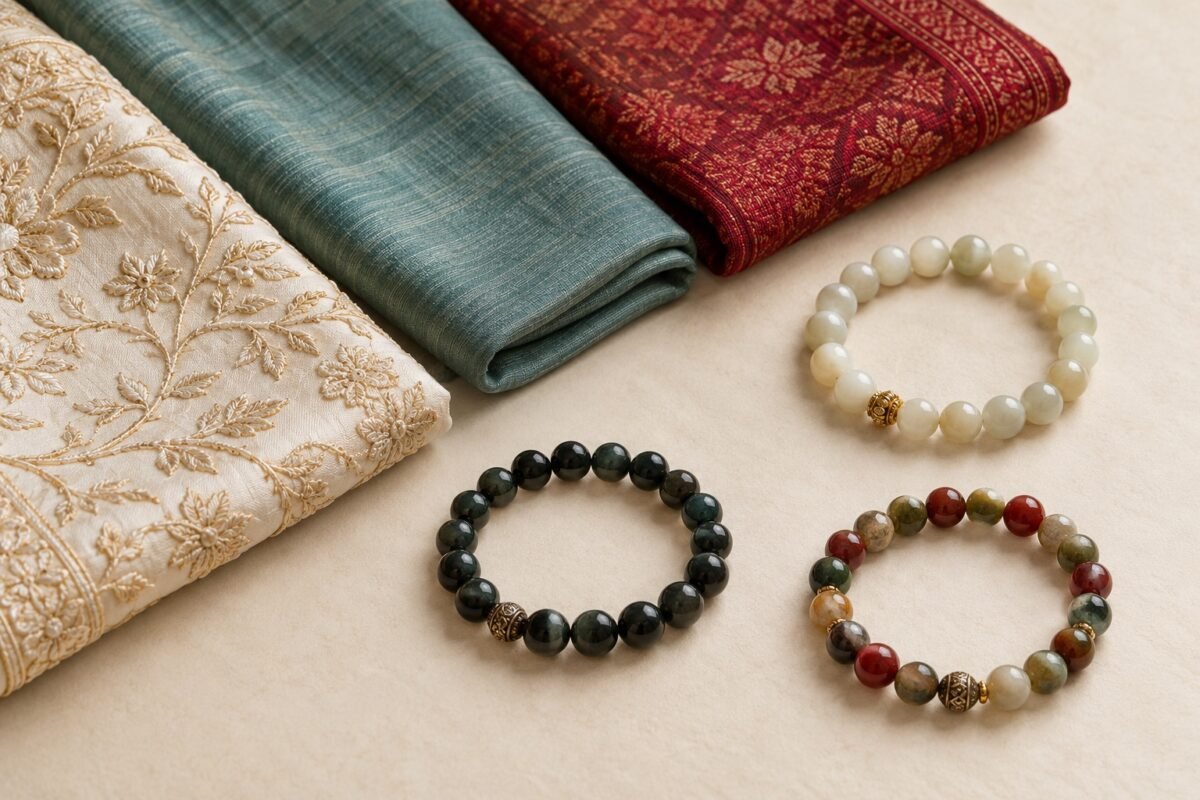
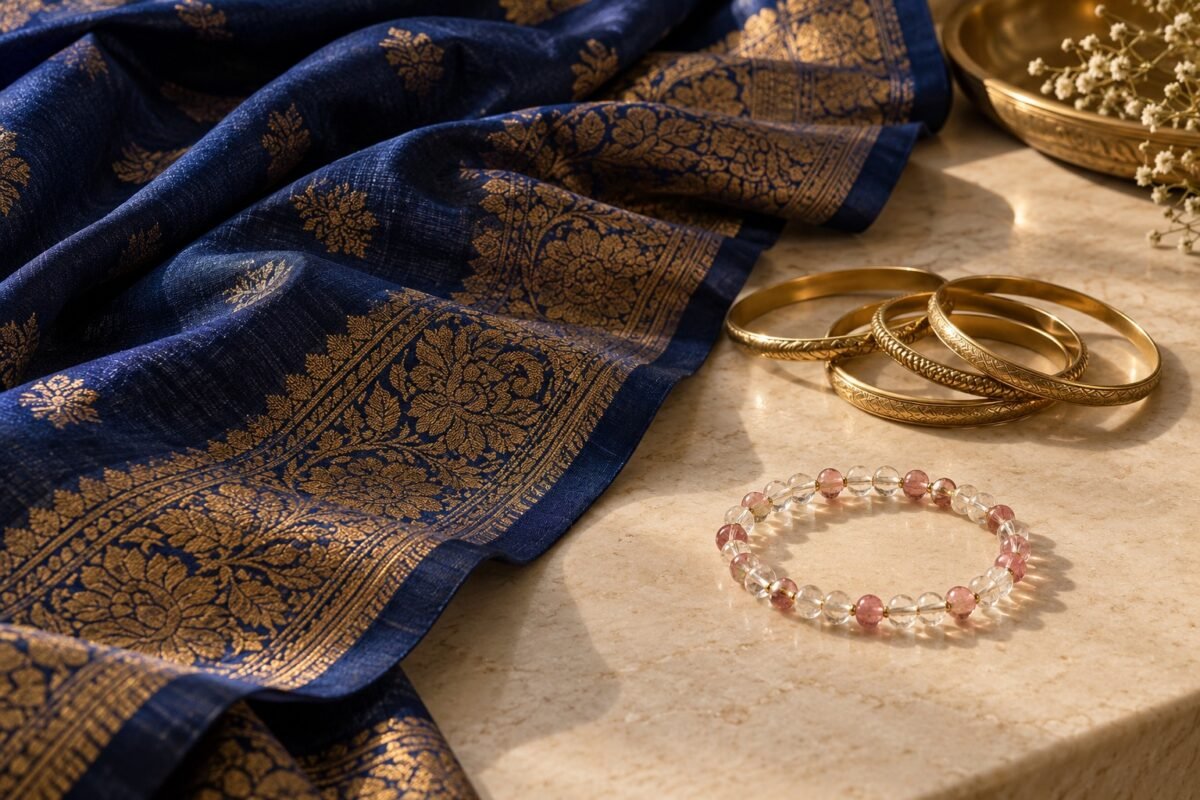
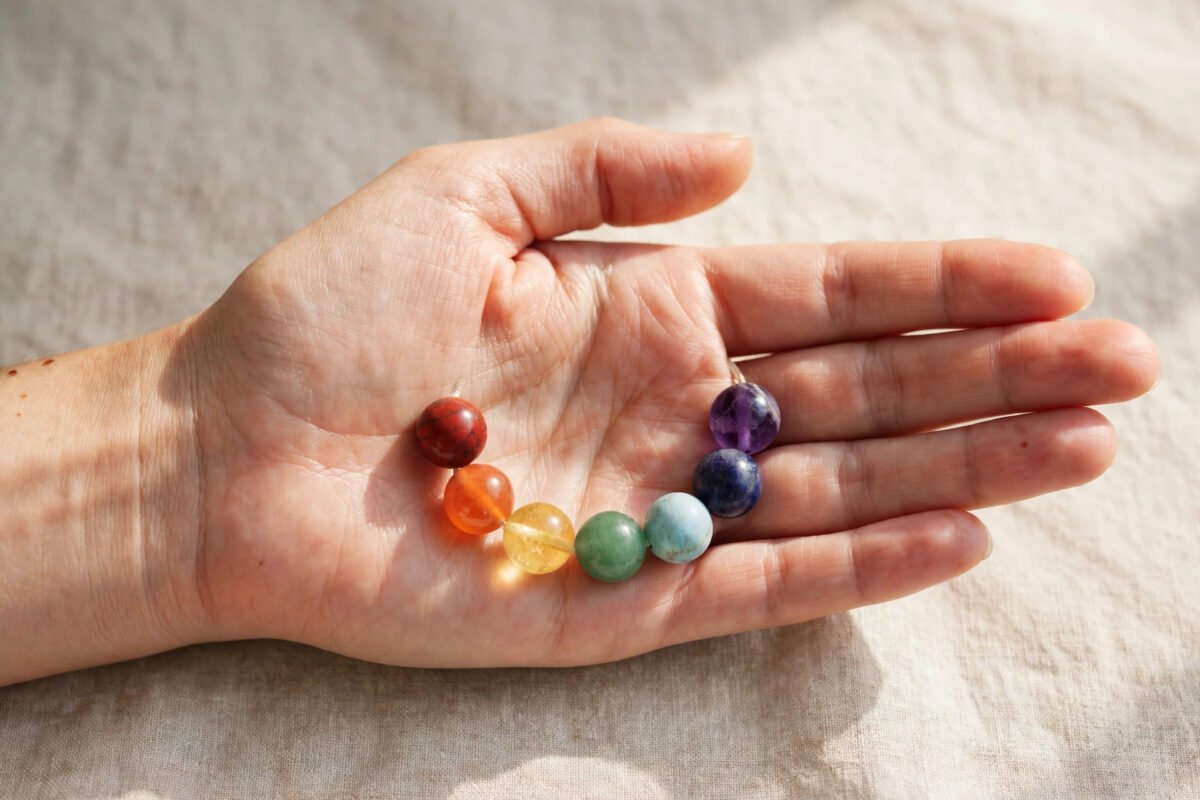
Editorial image note: the featured image is an AI-generated styling illustration, not a photograph of the exact item for sale. See the linked product page for current materials, colour and design details.
Map the fabric and sleeve
First note whether the cuff is close, loose, sheer or absent. A close embroidered sleeve leaves little room for a large charm, while a short plain sleeve can carry a more visible bracelet. Then identify the strongest textile feature: print, sheen, embroidery, border or silhouette. The bracelet can echo one feature rather than compete with all of them.
Lay jewellery beside the complete outfit, not just a swatch. What looks balanced in a close-up may disappear or dominate at full-body distance.
Choose one role for the bracelet
A quiet connector repeats a colour already present. A soft contrast gives a light point against dark fabric. A statement bracelet becomes the main wrist detail when the outfit is otherwise restrained. These three roles are choices, not rules tied to a nationality or religion.
If a watch, heirloom ring or bangles already carry the story, a second bracelet may be unnecessary. Leaving the wrist bare can be the most deliberate styling decision.
Check comfort in motion
Try the bracelet with the actual garment before an event. Reach for a bag, raise an arm, sit at a table and see whether beads contact delicate threads or slide to the hand. Finished circumference, bead scale and charm placement matter more than a product title.
The size guide can help with measurements, but only the current product listing can state the actual piece’s dimensions and materials. Editorial images in these guides are generated styling illustrations, not exact item photos.
Respect the occasion and the wearer
A wedding, open house, holiday visit or formal work event can have different expectations even within one city or family. Ask the host or wearer when unsure, especially for a gift. Avoid assigning medical, spiritual or financial outcomes to jewellery; its visible design, comfort and personal association are enough.
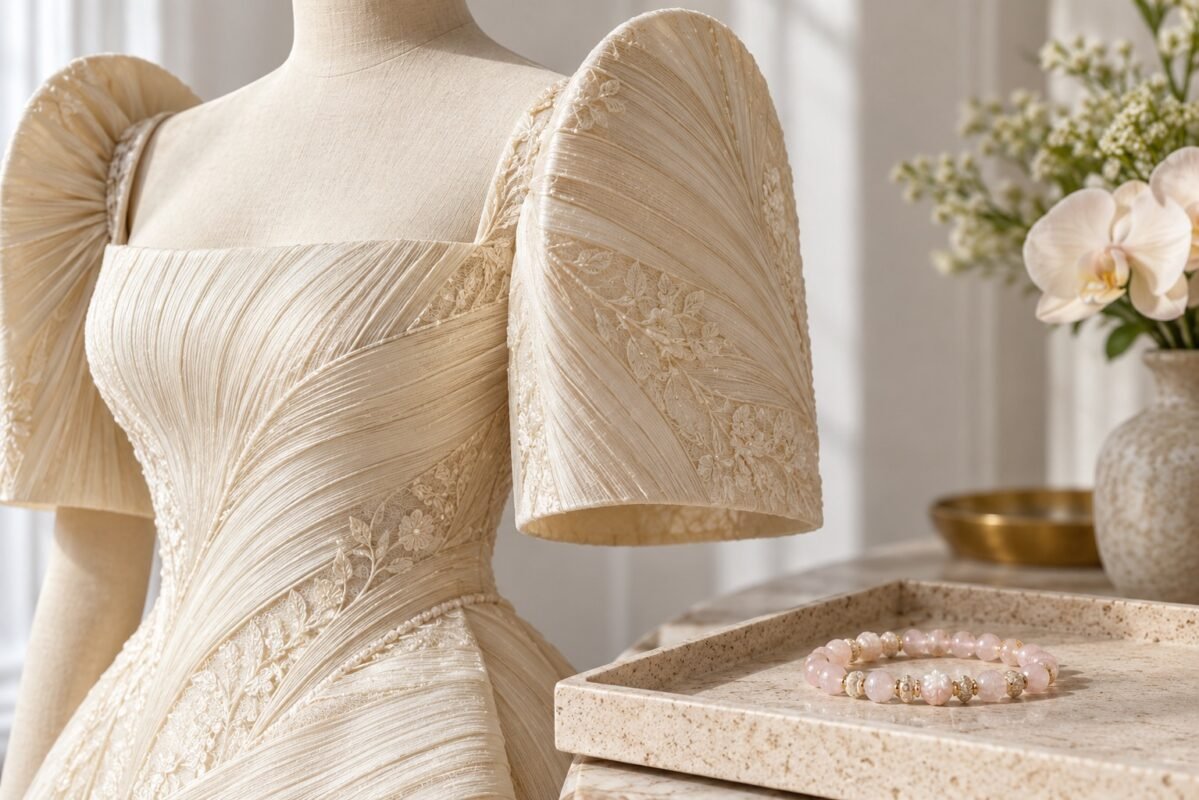
For focused examples, compare how sleeve shape changes the choice for áo dài, how embroidery affects a Barong cuff, how a terno’s shoulder silhouette shifts visual weight, and how silk or sari drape interacts with other jewellery.
Explore the bracelet and check the fit
See the AVENSU Multi-Stone Blessing Bracelet for current product photographs and details. Compare it with White Camellia Love Bracelet. For more specific outfit and occasion ideas, read áo dài bracelet styling, Barong Tagalog bracelet style, terno bracelet proportion, Thai silk bracelet styling, sari and bead styling. If you are choosing a size, use the AVENSU bracelet size guide; for storage and everyday handling, read the bracelet care guide.
Gemology references: Vietnam Tourism: áo dài; Cultural Center of the Philippines: TernoCon. These explain general gemstone properties; they do not verify the identity or treatment of any specific AVENSU item.








 English
 Vietnamese