A crystal bracelet that fits well is one you forget you are wearing. Too tight, and beads pinch, elastic strains, and you take it off by noon. Too loose, and it slides over your hand, knocks against desks, and risks slipping off entirely. The difference between the two is often a single bead, which is why measuring properly before you order matters more than any size chart.
This guide shows two reliable ways to measure your wrist at home, explains how fit preference changes the number you should order, and covers how bead size affects the finished fit. Measure once, carefully, and every bracelet you buy afterwards becomes easier.
How to Measure with a Tape Measure
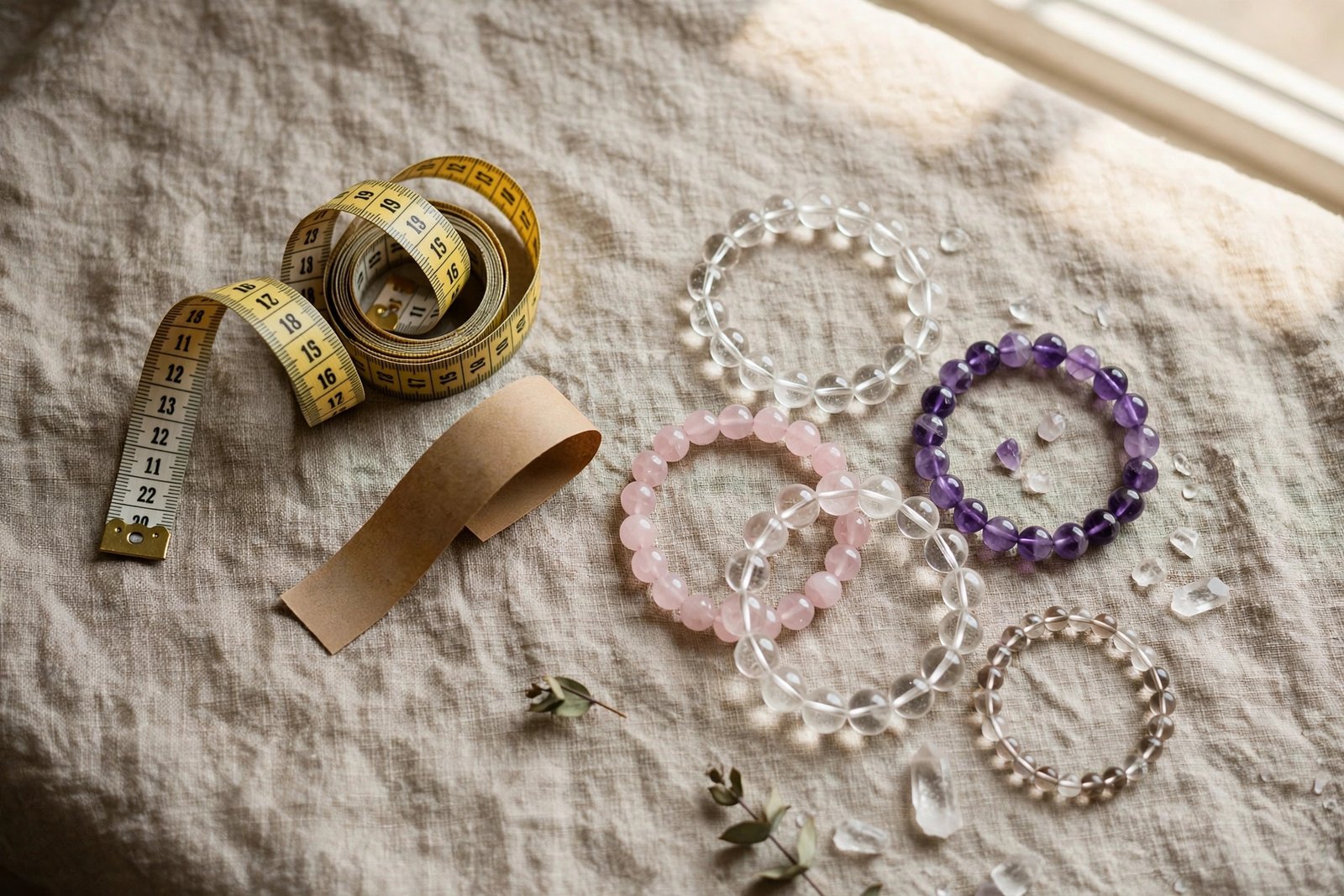
Wrap a flexible tailor’s tape around your wrist where a bracelet naturally sits, just below the wrist bone on the side towards your hand. Keep the tape flat against the skin, snug but not digging in, and parallel to the floor. Read the measurement where the tape meets zero, and write it down immediately.
Measure at the end of the day if you can, because wrists swell slightly with heat and activity. A morning measurement can understate your size by several millimetres, which is the difference between a comfortable fit and a tight one in summer. Measure both wrists if you plan to wear bracelets on either side; most people have a small difference between dominant and non-dominant wrists, which also matters for the question of which hand to wear a crystal bracelet on.
As a reference, an average women’s wrist measures about 15 to 17 centimetres and an average men’s wrist about 17 to 19 centimetres, but averages should never replace your own measurement. Body proportions vary too much for guessing, especially when ordering online from the AVENSU shop.
General size terminology follows standard measurement practice described by sources such as Wikipedia’s jewellery sizing overview, which makes the same point for rings: measure the body, not the jewellery you already own, because internal and external dimensions differ.
No Tape? Use String, Paper, or a Charger Cable
Wrap a strip of paper, a piece of string, or even a phone charging cable around your wrist in the same position. Mark where the end meets, lay it flat, and measure the length against a ruler. Paper is the most accurate substitute because it does not stretch; string can pull longer under tension and overstate your size.
Whichever substitute you use, repeat the measurement twice. If the two readings differ by more than a few millimetres, measure a third time and use the middle value. Accuracy at this stage decides whether your bracelet needs one bead more or less, and remeasuring at home is always easier than exchanging by post.
Avoid measuring over sleeves, watches, or other bracelets. Anything between the tape and your skin adds false circumference. Also avoid measuring an existing bracelet laid flat as a shortcut: its outside length includes bead diameter twice over, which does not translate directly into your wrist size. Our crystal bracelet size guide on the site uses the same wrist-first method, so your measurement will match how AVENSU sizing is calculated.
From Wrist Measurement to Bracelet Size: Fit Preferences
Your wrist measurement is the starting point, not the order size. For a snug fit that sits close and barely moves, add about 0.5 to 1 centimetre. For a comfortable everyday fit, the most popular choice, add 1 to 1.5 centimetres. For a loose, relaxed fit that drapes slightly, add 1.5 to 2 centimetres.
An AVENSU bracelet is typically made to the inner circumference you select, so use the total after adding your fit allowance when you order. If you fall between sizes, choose the larger one for elastic bracelets with big beads, and the size closer to your measurement for small-bead designs. You can also note your exact wrist measurement and fit preference when buying pieces such as the rose quartz love bracelet, so the maker can fine-tune the bead count.
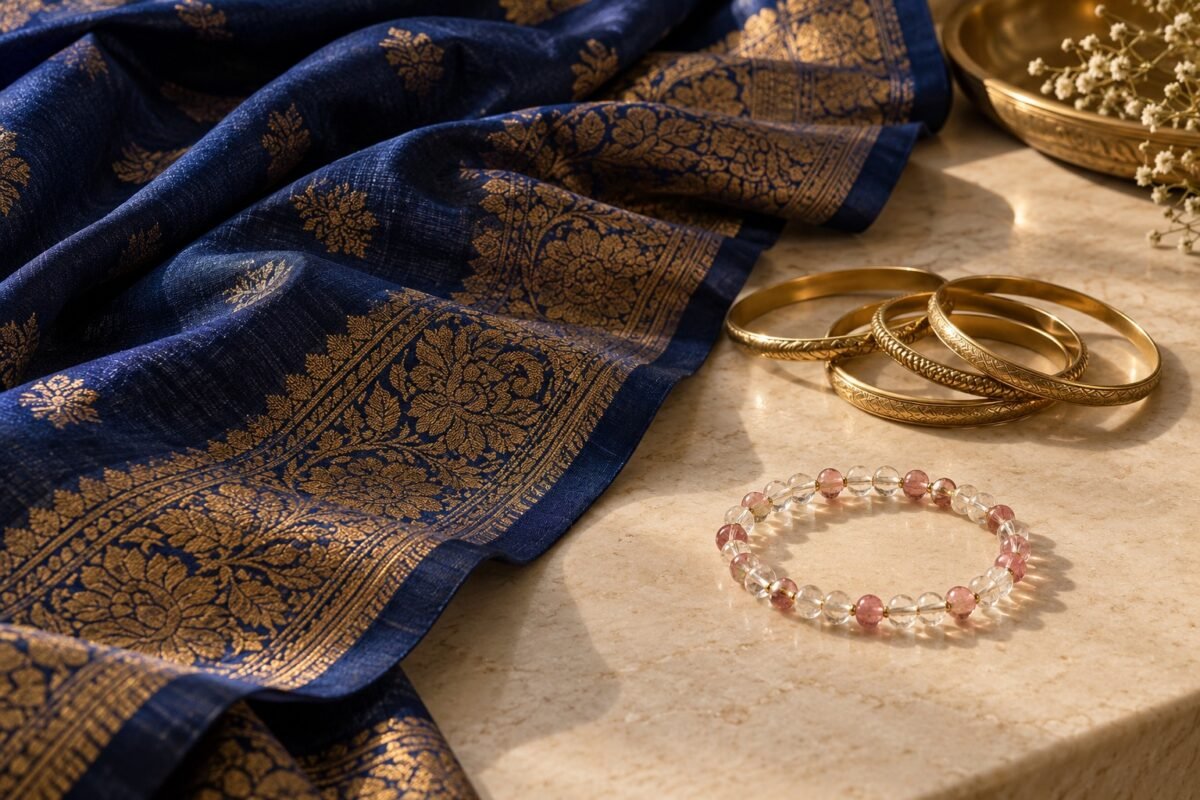
Stacking changes fit too. If you plan to wear two or three bracelets together, size the upper pieces slightly looser, because the wrist tapers and stacked bracelets sit higher on the forearm. Our guide to stacking crystal bracelets without damage covers spacing and sizing for layered looks.
How Bead Size Changes the Fit
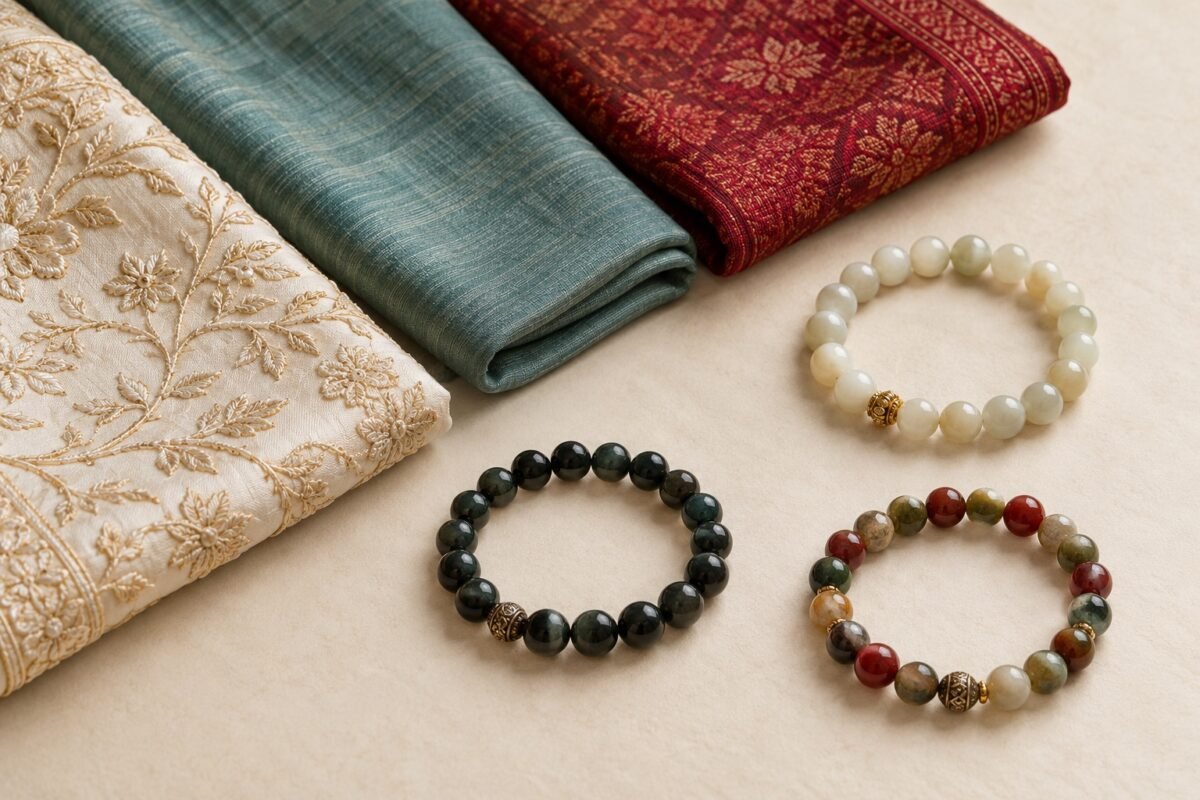
Large beads make a bracelet feel tighter at the same listed size. An 10mm or 12mm bead bracelet has a thicker wall between cord and skin, so its inner circumference is smaller than its outer measurement suggests. For beads of 10mm and above, add an extra 0.5 centimetre to your usual fit allowance. For 6mm beads, your standard allowance is usually enough. Our bracelet bead size guide compares 6mm, 8mm, 10mm, and 12mm looks and fits in detail.
Charms and spacers change fit as well. A Pixiu or barrel charm occupies wrist space without flexing, so charm bracelets should be sized at the generous end of your preference. Metal spacers between every bead add small amounts of length that are easy to underestimate when counting beads.
Finally, remember elastic relaxes slightly in the first weeks of wear. A bracelet that feels perfect on day one may feel a touch looser by month two. That is normal, and it is one more reason to aim for the comfortable middle of your fit range rather than the loosest option. If an older bracelet has stretched too far, our guide to restringing a crystal bracelet shows how to restore the original fit.
Frequently Asked Questions
What is the average crystal bracelet size?
Most women wear an inner circumference of about 16 to 17 centimetres and most men about 18 to 19 centimetres, including fit allowance. These are only starting points; your own wrist measurement plus your preferred fit allowance gives the right size for you.
Should a crystal bracelet be tight or loose?
It should be comfortable: snug enough not to slide over your hand or spin constantly, loose enough to move a little and never pinch. For most people that means wrist measurement plus 1 to 1.5 centimetres.
How do I size a bracelet as a gift if I cannot measure?
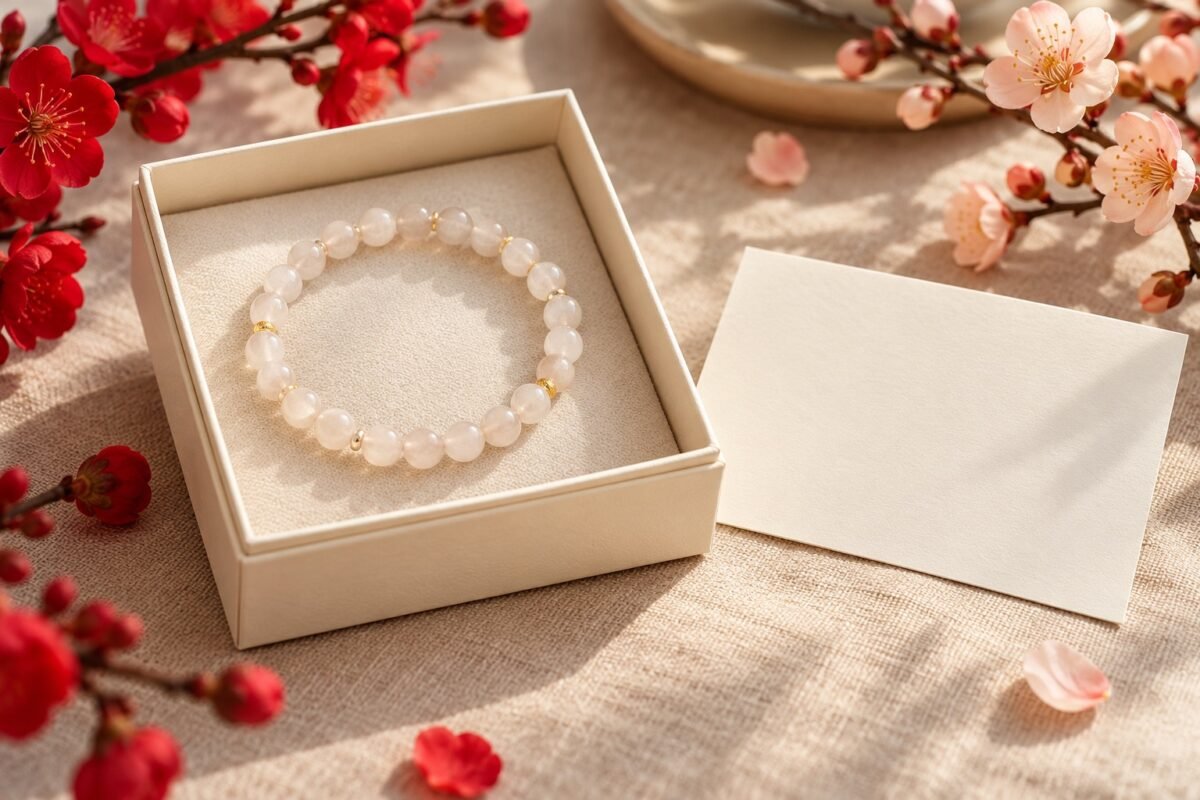
Use the recipient’s watch strap, an existing bracelet’s inner circumference measured with a cone or bottle of similar size, or choose the average size for their build and prefer sellers who accept exchanges. Elastic bracelets are the most forgiving gift choice.
Does bead size really affect which size I should order?
Yes. Larger beads reduce the inner circumference at the same listed size, so 10mm and 12mm bracelets feel tighter. Add about 0.5 centimetre extra allowance for large-bead designs, and check the bead size guide before ordering.









 English
 Vietnamese