The root chakra, known as Muladhara in Sanskrit tradition, sits at the base of the spine and is traditionally associated with safety, stability and belonging. In chakra tradition, it is the foundation the other centres build on: when this base feels steady, everyday life is believed to feel more manageable, and when it feels unsettled, everything above it can feel wobbly too. Root chakra crystals are the earthy, heavy, dark red and black stones people reach for when they want a simple daily reminder to slow down and feel grounded.
This guide covers the stones most often linked with the root chakra, how to choose between them, how to wear and meditate with them, and how to care for them properly.
What the Root Chakra Represents in Tradition
In classical chakra teaching, Muladhara is linked with the colour red, the element of earth, and basic needs such as food, shelter, rest and security. The word itself combines mula, meaning root, and adhara, meaning support. You can read more about the wider chakra system on Tổng quan về các luân xa trên Wikipedia, which traces how these ideas developed in South Asian spiritual traditions.
Within that framework, grounding is not about escaping stress. It is about returning attention to the body and the present moment: feet on the floor, breath low and slow, shoulders dropped. Crystals are used as tactile anchors for that intention. Holding a cool, heavy stone or feeling a bracelet against the wrist gives the mind something concrete to return to. For a broader introduction to stones used when you feel scattered, see our Hướng dẫn về ý nghĩa của những viên đá định tâm.
Tradition also links the root chakra with the lower back, legs and feet, which is why practitioners often place stones near the base of the spine during rest.
The Best-Known Root Chakra Crystals
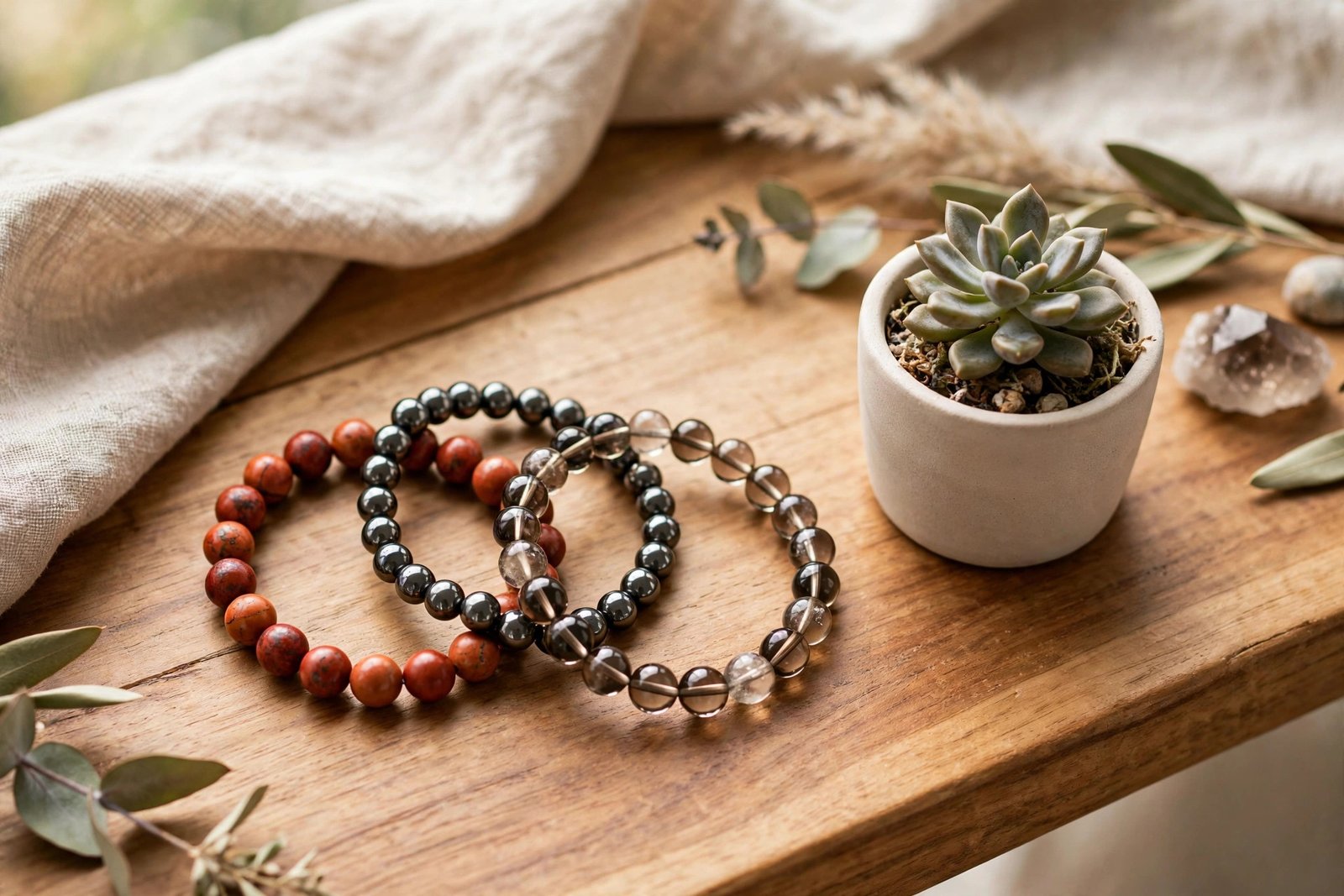
Red jasper is the classic root chakra stone. This opaque, brick-red form of chalcedony is traditionally associated with endurance, steady energy and practical courage. It has a reassuring weight in the hand and a matte, earthy look that suits everyday wear. Geological details for jasper are listed on Mindat.
Hematite is a dense iron oxide with a metallic grey sheen. It is believed to be one of the most grounding stones in modern crystal practice, partly because it is literally heavy for its size. Many people keep a hematite bracelet for commutes, busy workdays and travel days when they want to feel collected.
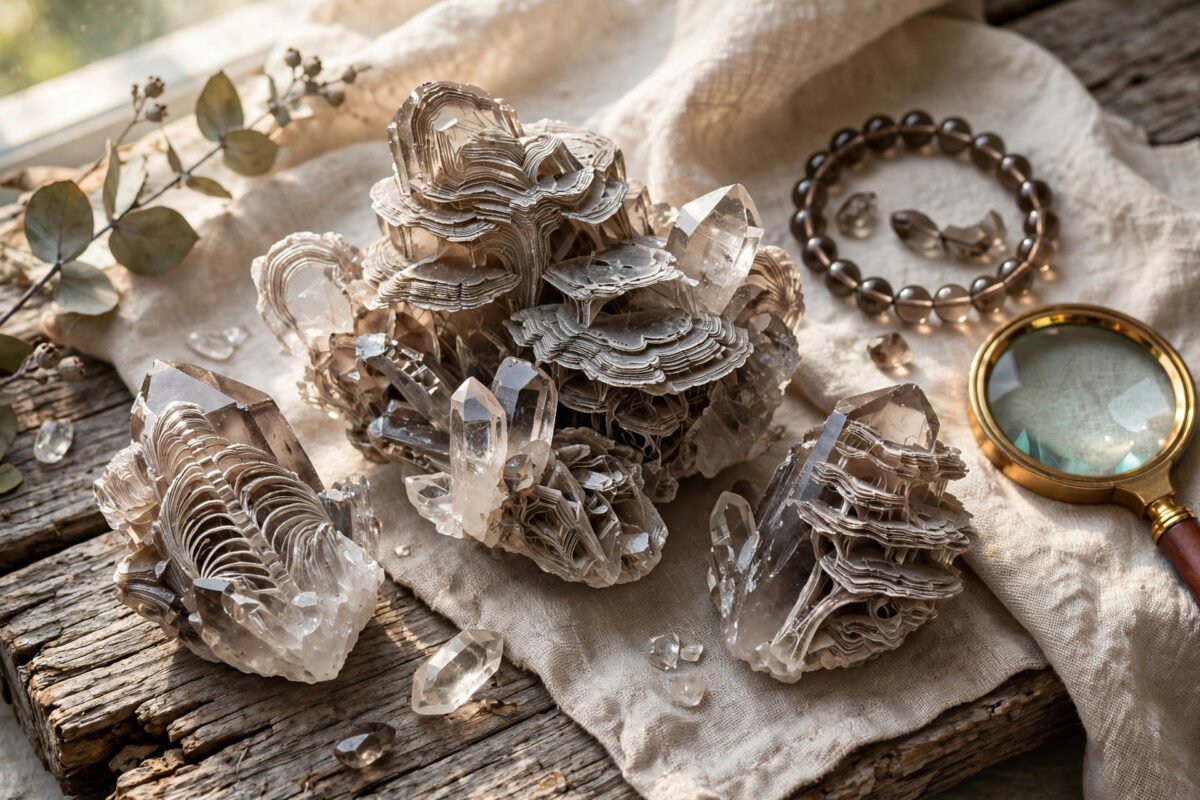
Smoky quartz offers a gentler version of grounding. Its smoky brown-grey colour is traditionally associated with clearing mental clutter and settling nervous energy into the earth. It is a good first root chakra stone if black stones feel too intense visually.
Black tourmaline is frequently chosen as a protective stone in tradition, worn at the door of the home or on the wrist during a busy day. Garnet, with its deep wine-red glow, is linked with vitality and commitment. Bloodstone, red tiger’s eye, obsidian và black onyx round out the usual list, each bringing a slightly different shade and mood while staying in the same earthy family.
If you are choosing a wearable piece, an AVENSU red jasper and hematite bracelet combines the two most requested root stones in one simple design that works with work clothes and weekend clothes alike. Browse the full range in the Cửa hàng AVENSU if you prefer smoky quartz or black tourmaline instead.
How to Choose Your First Root Chakra Stone
Start with how you want to use it. For all-day wear, choose a bracelet: it stays in contact with the skin, needs no pocket, and acts as a visual cue each time you notice it. For meditation or evening wind-down, a palm stone or tumbled piece you can hold may suit you better. For the home, a larger rough piece near the entrance or beside the bed is traditional.
Next, consider colour and weight. If you are drawn to warmth, choose red jasper or garnet. If you prefer something neutral that pairs with everything, hematite and black tourmaline are easier to style. Many collectors simply handle two or three options and notice which one they keep returning to.
Finally, check practical details such as bead size, wrist fit and hardness if you plan to wear the piece during manual work. An AVENSU grounding bracelet is strung on durable elastic for everyday use, but like all crystal jewellery it lasts longest when taken off for workouts and swimming.
If you are not sure which chakra to start with at all, our guide on which chakra to work on first explains why tradition usually begins at the root.
Simple Ways to Work with Root Chakra Crystals
The easiest practice is wearing. Put your bracelet on in the morning as part of getting dressed, take one slow breath, and set a plain intention such as “steady today.” That ten-second pause is the practice; the stone is the reminder.
For a short sitting practice, hold a stone in each hand or place one at the base of the spine while you sit against a wall. Breathe naturally for five to ten minutes and keep returning attention to the contact points: feet, seat, hands. Our dedicated guide to root chakra meditation with crystals walks through a full session step by step.
At home, try a walking practice: carry a tumbled red jasper in a pocket during a slow walk and match your steps to your breath. You can also pair root work with heart work later on; our root and heart chakra crystal pair guide explains that combination.
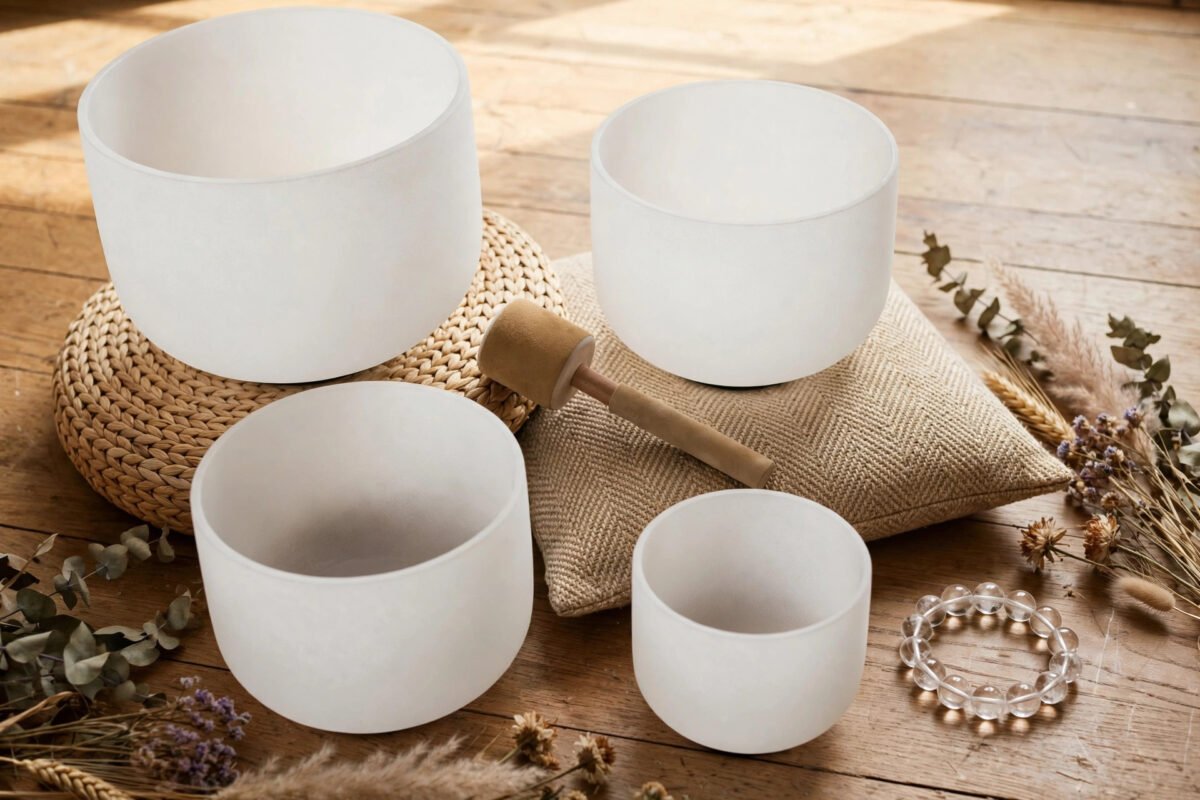
Care is simple. Wipe beads with a soft, slightly damp cloth, store the bracelet away from harder stones that could scratch it, and refresh it using a gentle method from our guides to cleansing crystals with sound or how to cleanse crystals with salt water — checking first that your stone tolerates water.
Các câu hỏi thường gặp
Which is the single best root chakra crystal for beginners?
Red jasper is the most common recommendation because it is affordable, durable and traditionally associated with steady, practical energy. Hematite is an equally good starting point if you prefer a metallic, neutral look. Choose the one you will actually wear every day.
Can I wear root chakra crystals every day?
Yes. In tradition, consistency matters more than intensity, so daily wear is the standard way people work with these stones. Remove your bracelet for swimming, heavy exercise and contact with perfumes or cleaning products to protect the beads and cord.
What colour are root chakra crystals?
Most are red, black, dark brown or metallic grey, matching the root chakra’s traditional colours of red and earth tones. Red jasper, garnet and bloodstone cover the red family, while hematite, black tourmaline and smoky quartz cover the darker, grounding shades.
How do I know if root chakra work is right for me?
If you often feel scattered, rushed or disconnected from routine, tradition suggests starting at the root before moving to higher chakras. Our article on signs your root chakra feels blocked lists the patterns practitioners commonly look for.



 English
 Vietnamese