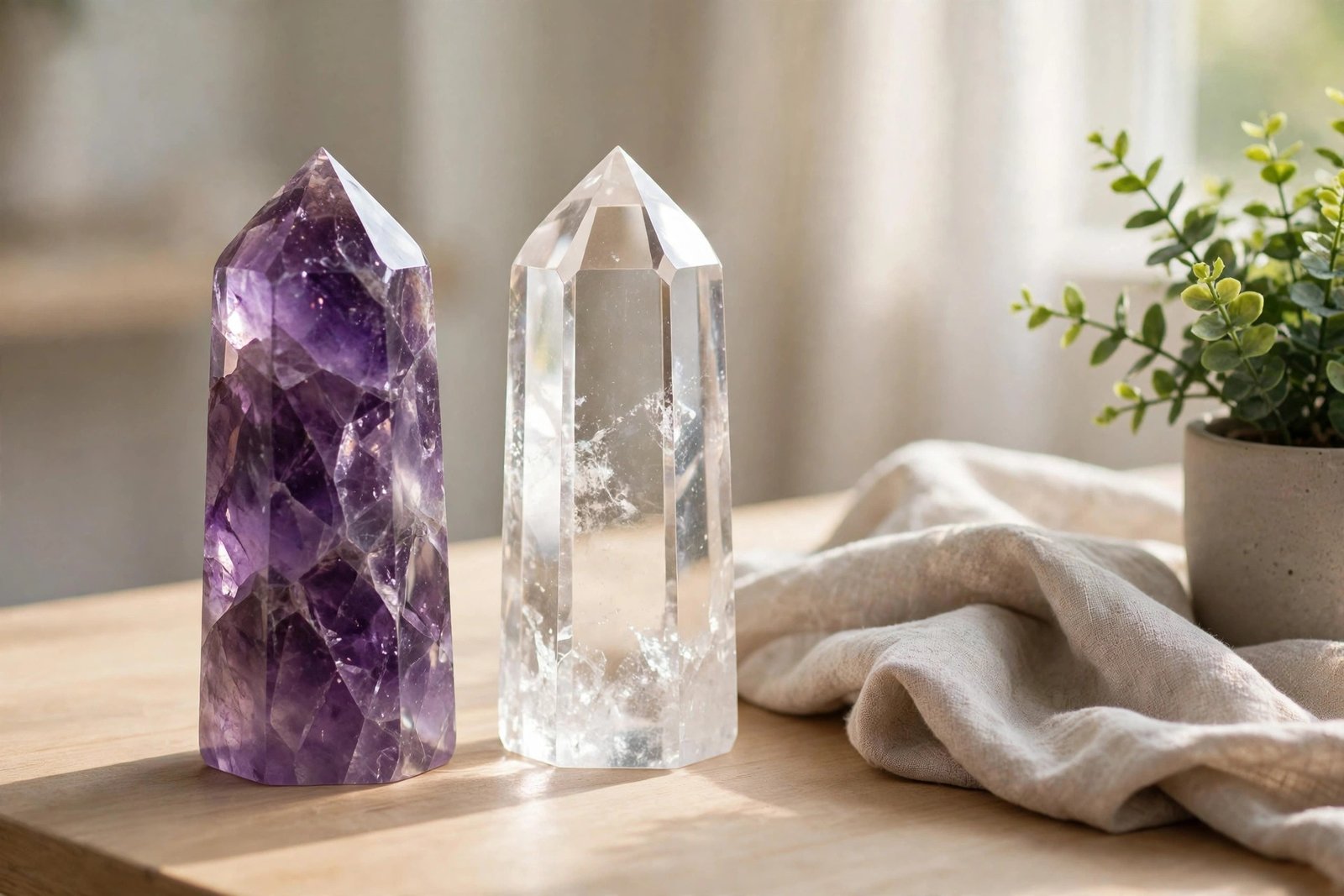
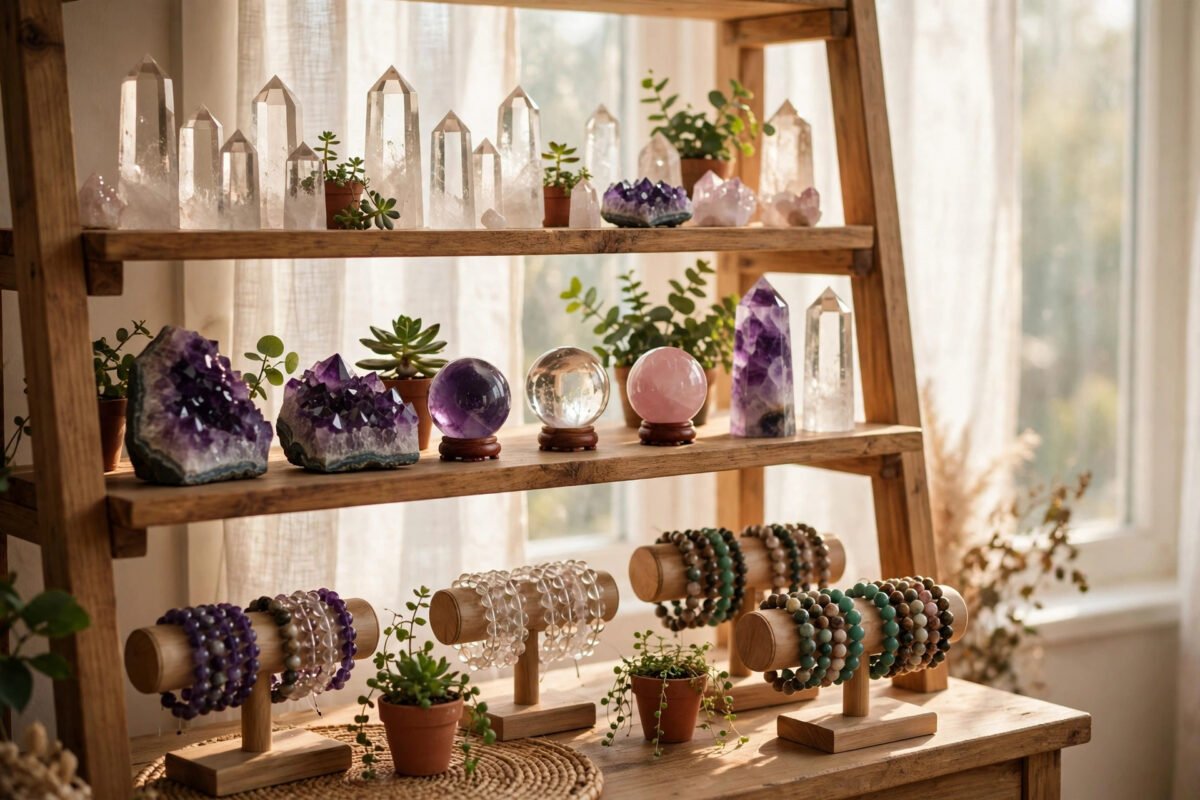
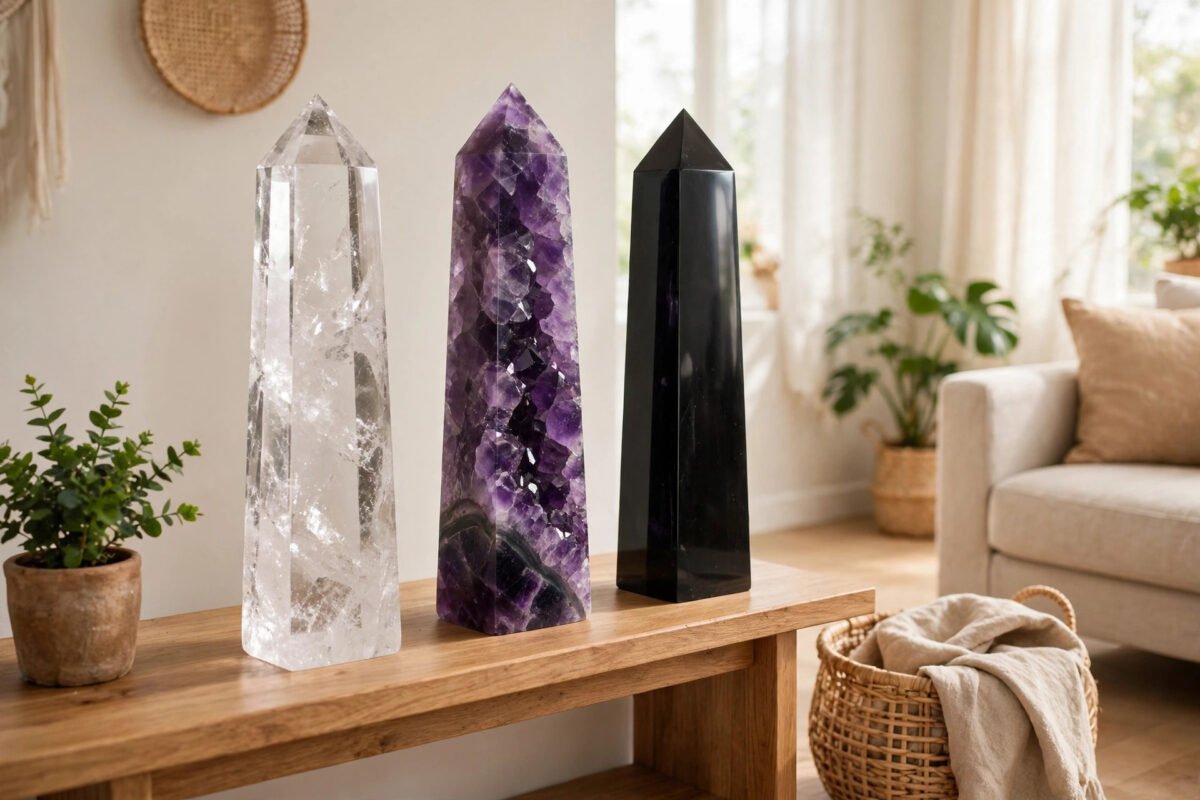
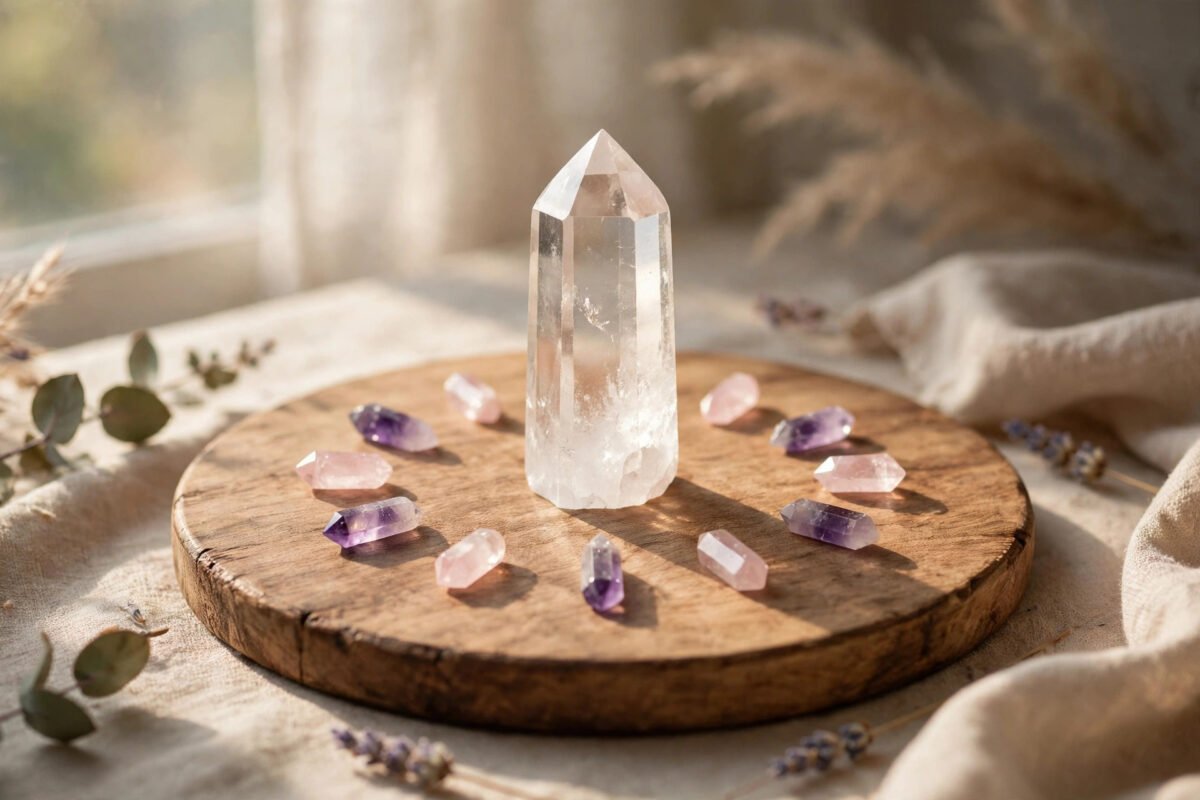
Crystal towers and points are among the most recognisable shapes in a modern collection. A tower is usually a polished piece with a flat base and a single termination at the top, cut with four, six, or eight sides. A natural point grows that way in the earth. Both forms are loved for the same reason: they stand upright, catch the light, and give a room a clear focal point without taking up much space.
In crystal tradition, the point is believed to focus and direct intention upward and outward from the base. Whether you use towers for meditation, desk focus, or simple decoration, understanding size, stone choice, and placement will help you buy once and enjoy the piece for years.
What Makes a Tower Different from Other Shapes
A tower combines stability with direction. The wide base holds the energy of the whole stone in tradition, while the tip is traditionally associated with clarity and a single point of focus. That is why towers are often placed where a decision or a piece of work happens, rather than scattered casually.
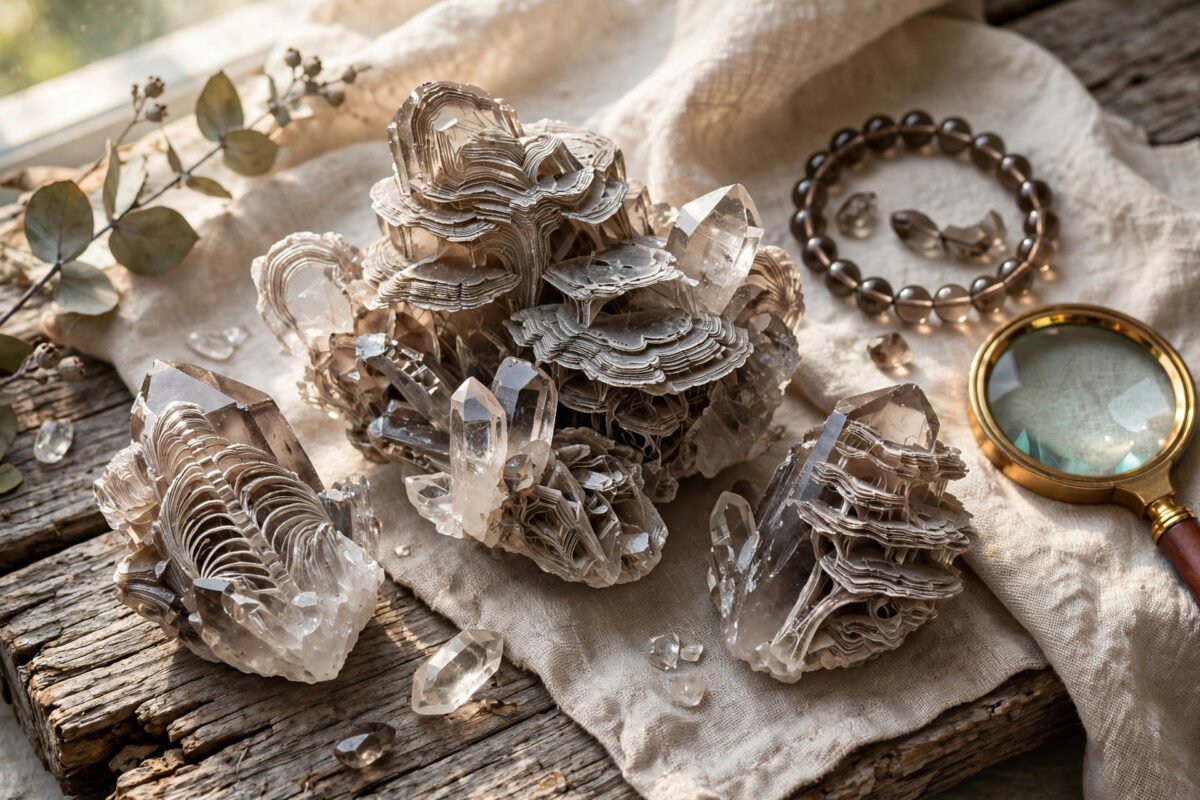
Natural points, such as a raw quartz point, keep their original faces and may show small rainbows, phantoms, or etchings. Polished towers are shaped by hand, so the lines look cleaner on a shelf. Neither is better. If you prefer a sculptural, finished look, choose a polished tower. If you love geology, choose a natural point. You can compare that choice in our guide to raw vs tumbled crystals.
Quartz family stones dominate this shape because quartz is hard, takes a good polish, and grows in points naturally. Read more about quartz mineralogy on Mindat and in Wikipedia’s quartz overview.
Tower height matters less than proportion. A 7–10 cm tower suits a desk or bedside table. A 15 cm or larger piece becomes a statement for a living room or entry console. Check that the base sits flat and the tip is intact before you buy.
Choosing the Right Stone for Your Tower
Clear quartz is the most versatile tower stone. It is traditionally associated with clarity and amplification of intention, and its transparency suits every room. Amethyst towers, with violet zones through the point, are traditionally linked with calm evenings and a quieter bedroom or reading corner. See our amethyst meaning guide for its background.
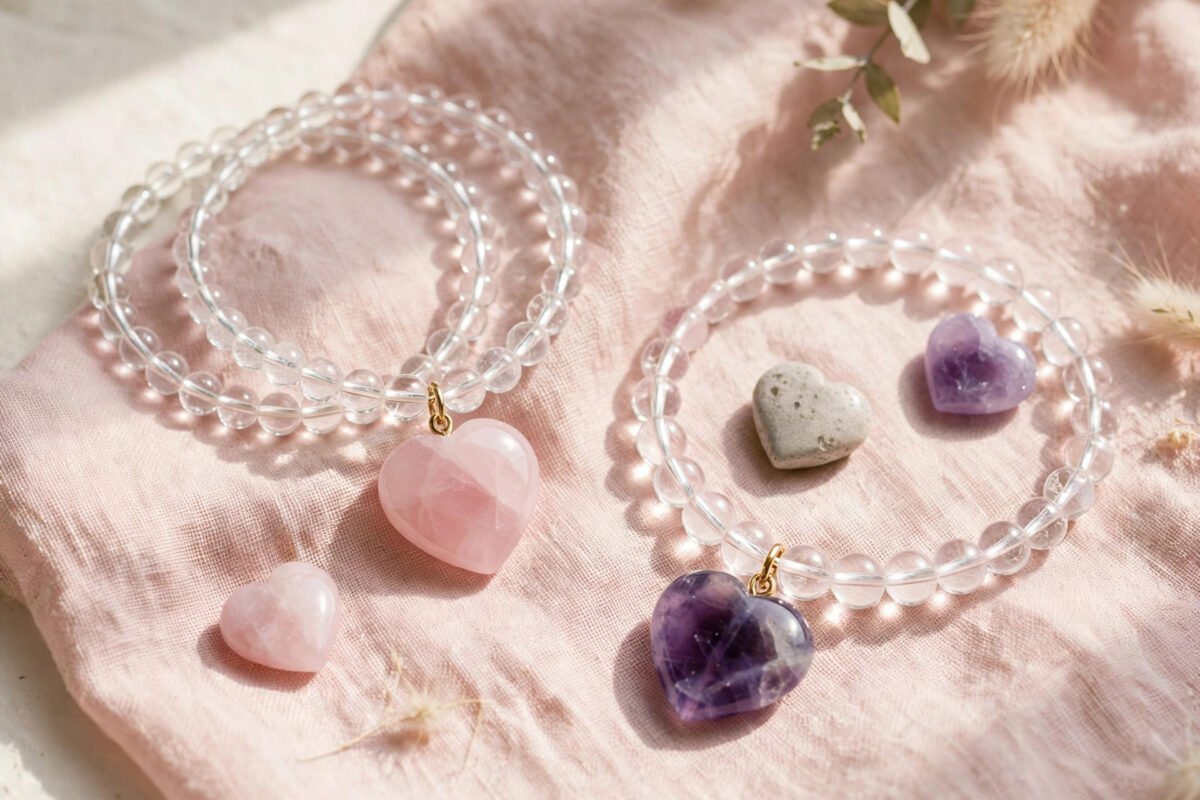
Rose quartz towers bring a soft pink presence and are traditionally associated with love and gentleness. They pair well with a wearable piece such as an AVENSU rose quartz bracelet, so the same colour story runs from shelf to wrist. Smoky quartz và black obsidian towers are darker and are traditionally chosen for grounding near doors and workspaces. Our grounding stones guide explains that family in depth.
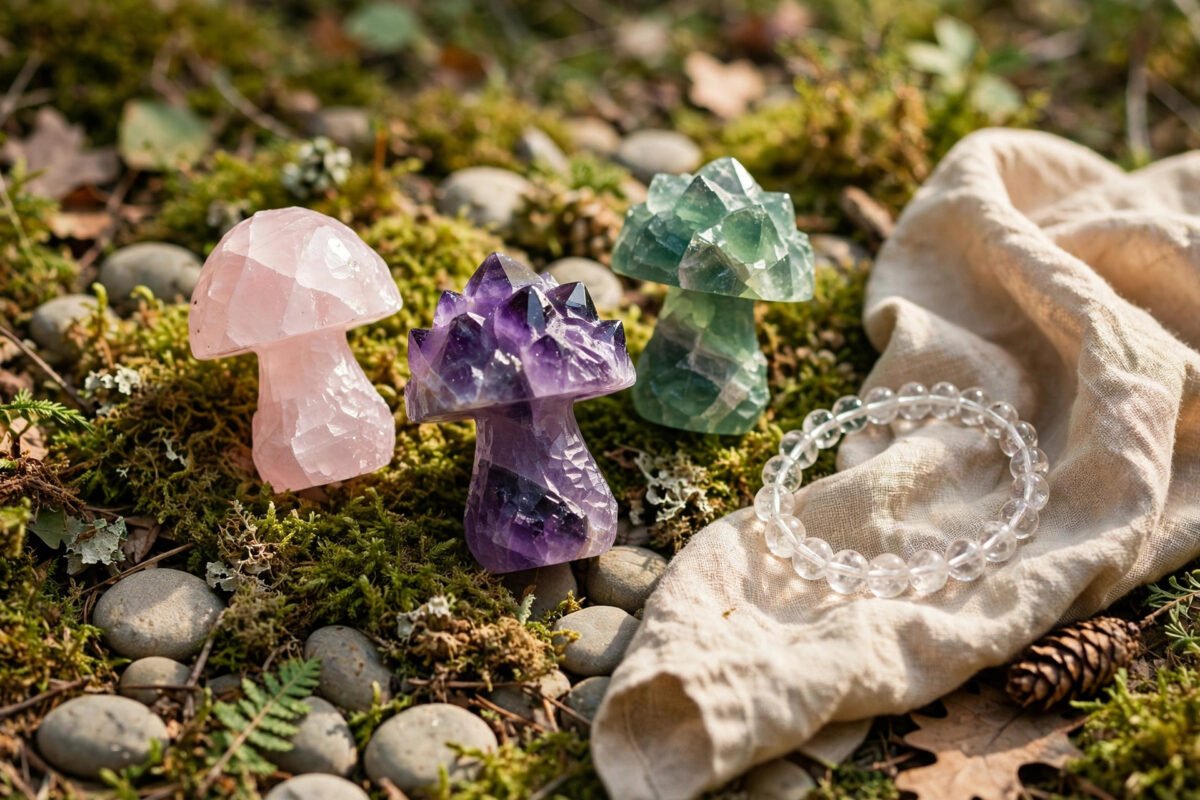
Fluorite towers show bands of green, purple, and clear crystal, but fluorite is softer than quartz, so handle the tip with extra care. Labradorite towers flash blue and gold as they turn in the light, making them a favourite for creative studios.
If you are buying your first tower, start with one stone you are genuinely drawn to, in a size you have measured for its spot. One well-placed piece does more than three bought in a hurry.
Where to Place Towers at Home
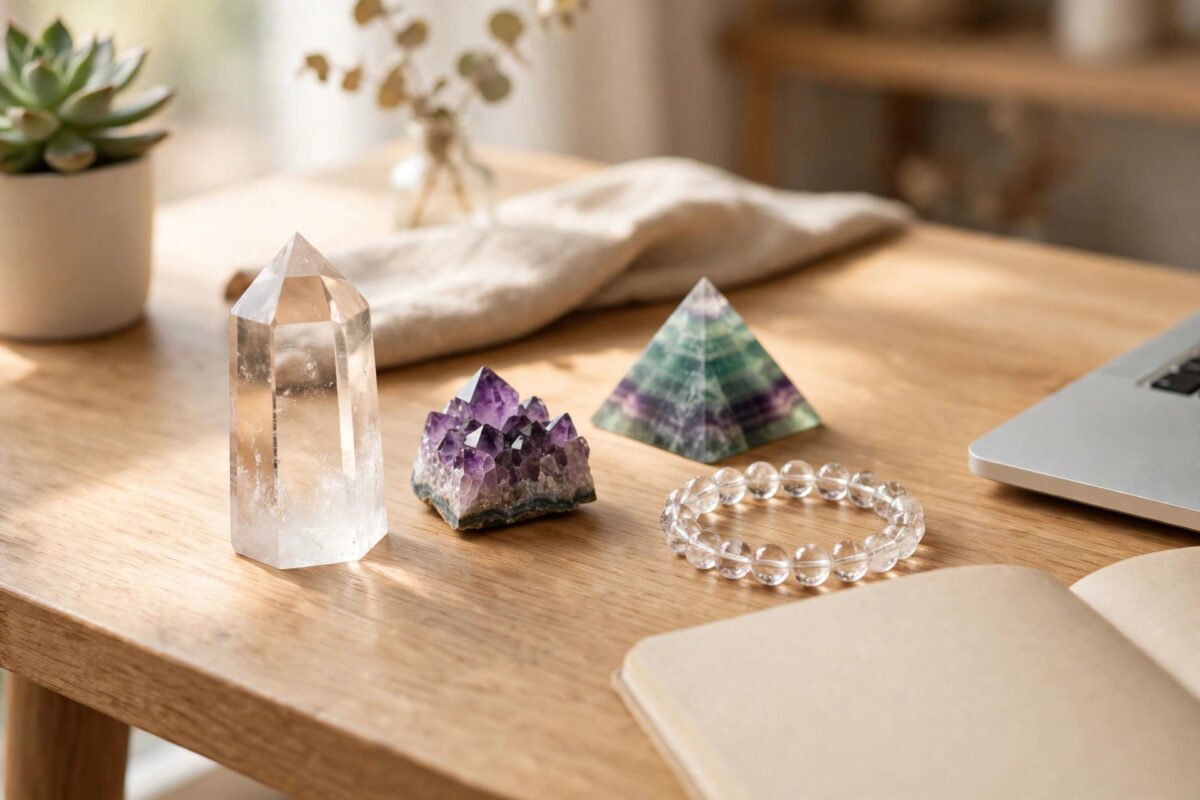
Tradition suggests placing a tower where its point has room to be seen. On a desk, set a small clear quartz or fluorite tower to the side of your screen, not directly in your eyeline, as a reminder to work on one thing at a time. Beside it, an AVENSU crystal bracelet worn during work keeps the same intention tactile throughout the day. Browse wearable options in the Cửa hàng AVENSU.
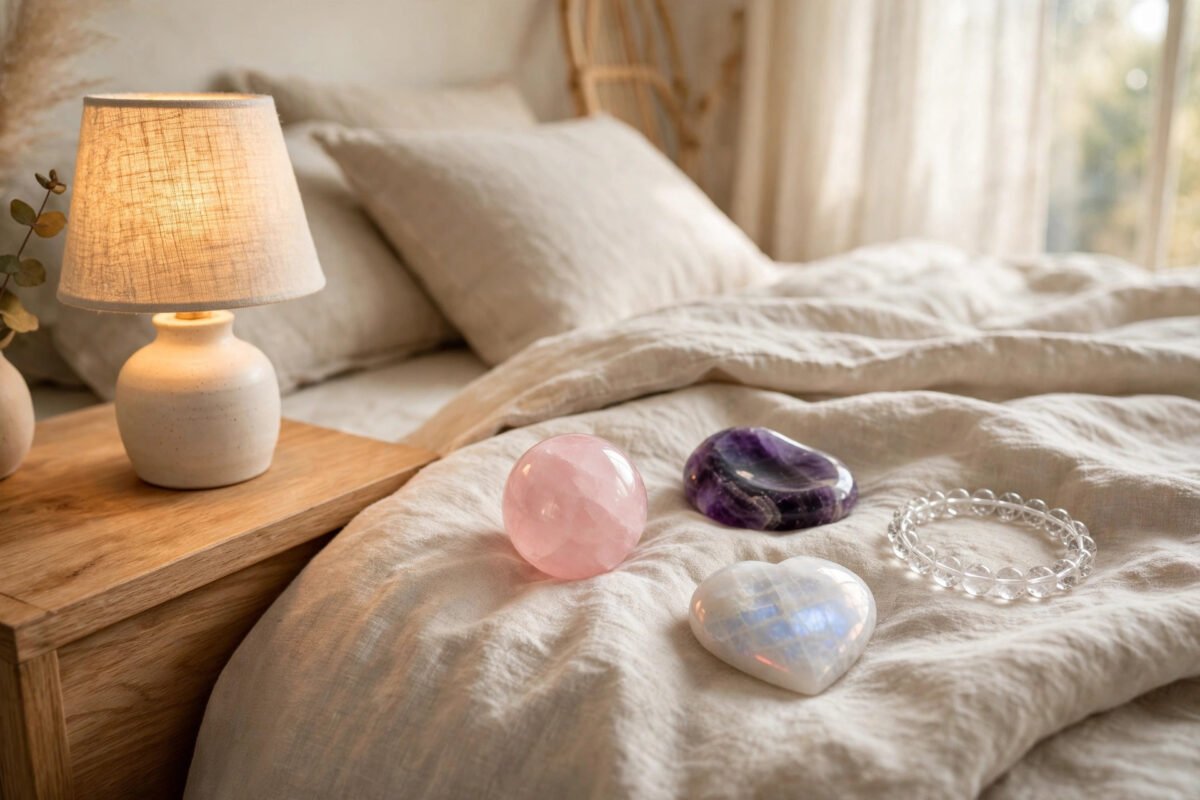
In the living room, a medium tower on a bookshelf or side table works as a visual anchor. Pair it with a crystal cluster or geode for contrast between polished and raw texture. In the bedroom, amethyst and rose quartz are the traditional choices, placed on a nightstand away from the edge where they could be knocked.
For meditation, hold a small tower in both hands with the point facing upward, or stand it in front of you during breathing practice. Some people set four small points around a mat, though a single tower is enough to begin.
Keep towers out of harsh, all-day direct sun if the stone is colour-sensitive, such as amethyst and fluorite, and keep them away from the edge of high shelves in homes with pets or small children.
Caring for Towers and Points
The tip is the most vulnerable part. Dust with a soft, dry cloth or a gentle brush, and wash quartz towers briefly in lukewarm water with mild soap if needed, drying the base fully. Softer stones should only be wiped. Our complete crystal bracelet care routine covers the same gentle principles for jewellery.
Store spare towers upright, separated by soft cloth, so tips do not chip against each other. If a tip does chip, the piece is still usable for display and practice; tradition does not treat a small chip as a failure. Learn to check polish and clarity when buying any crystal in our guide on how to tell if a crystal is real.
For a refresh, many owners use moonlight or a selenite plate. If you try salt water, check the stone tolerates it first in our guide to cleansing crystals with salt water. Pair a refreshed tower with a refreshed bracelet, such as the AVENSU grounding crystal bracelet, for a consistent weekly reset.
Các câu hỏi thường gặp
How tall should my first crystal tower be?
A tower between 7 and 12 cm is the easiest starting size. It is large enough to be a focal point on a desk or nightstand, stable on its base, and simple to move and clean. Measure your shelf first and leave space around the tip.
Should the point face a particular direction?
Tradition usually places towers point-up, which is also the most stable and natural way to display them. In meditation, some people point the tip toward themselves or away, depending on whether they frame the practice as receiving or releasing. Choose one approach and stay consistent.
Can I keep several towers together?
Yes. Grouping towers of different heights looks striking and is common in collections. Keep softer stones such as fluorite from rubbing against harder quartz, and leave a small gap between pieces so tips do not knock when you dust.
Are polished towers natural crystals?
The stone itself is natural, but the tower shape is cut and polished by people to create flat sides and a neat termination. Natural points grow with a point in the ground. Both are genuine crystal; the difference is shaping, not authenticity.



 English
 Vietnamese