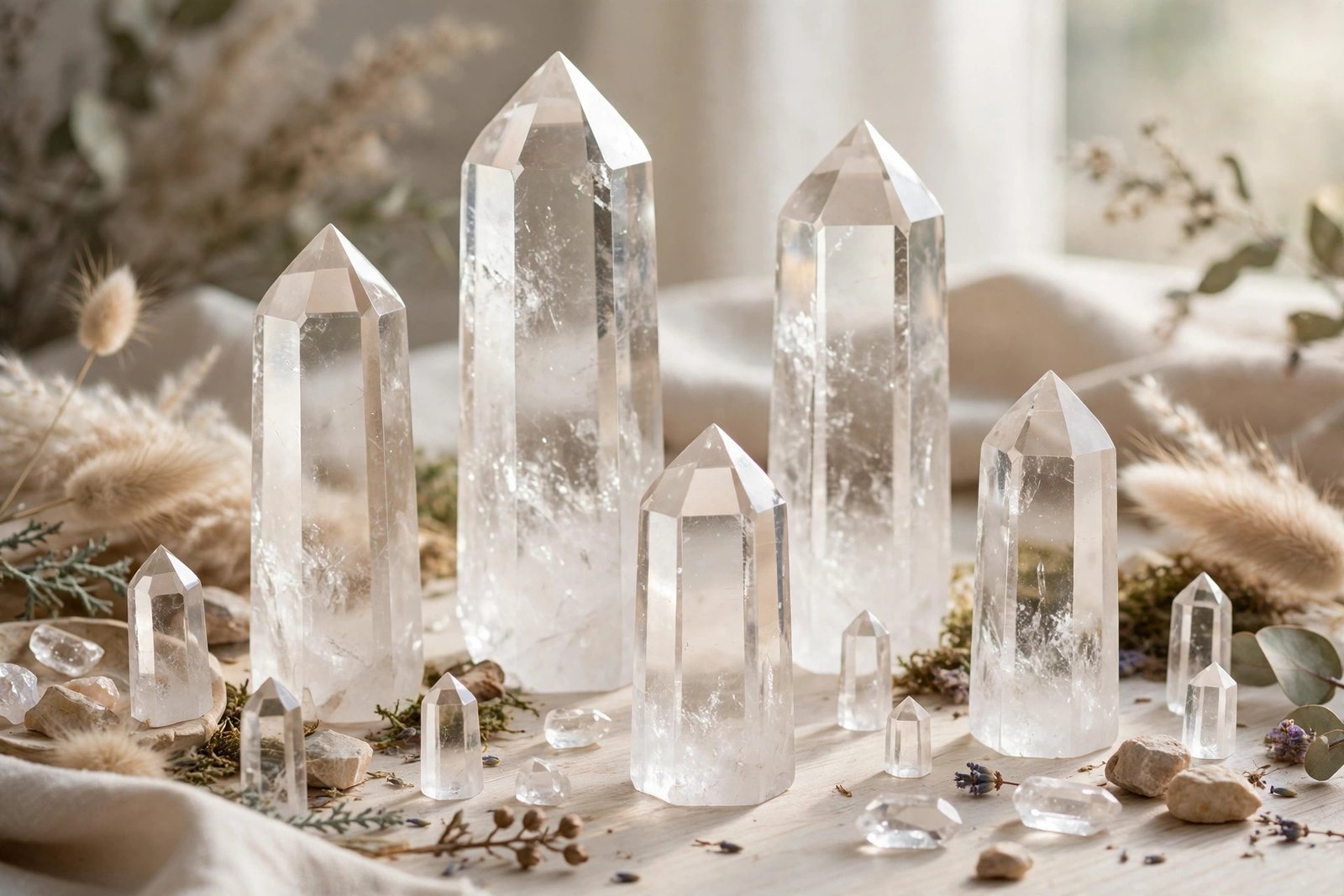
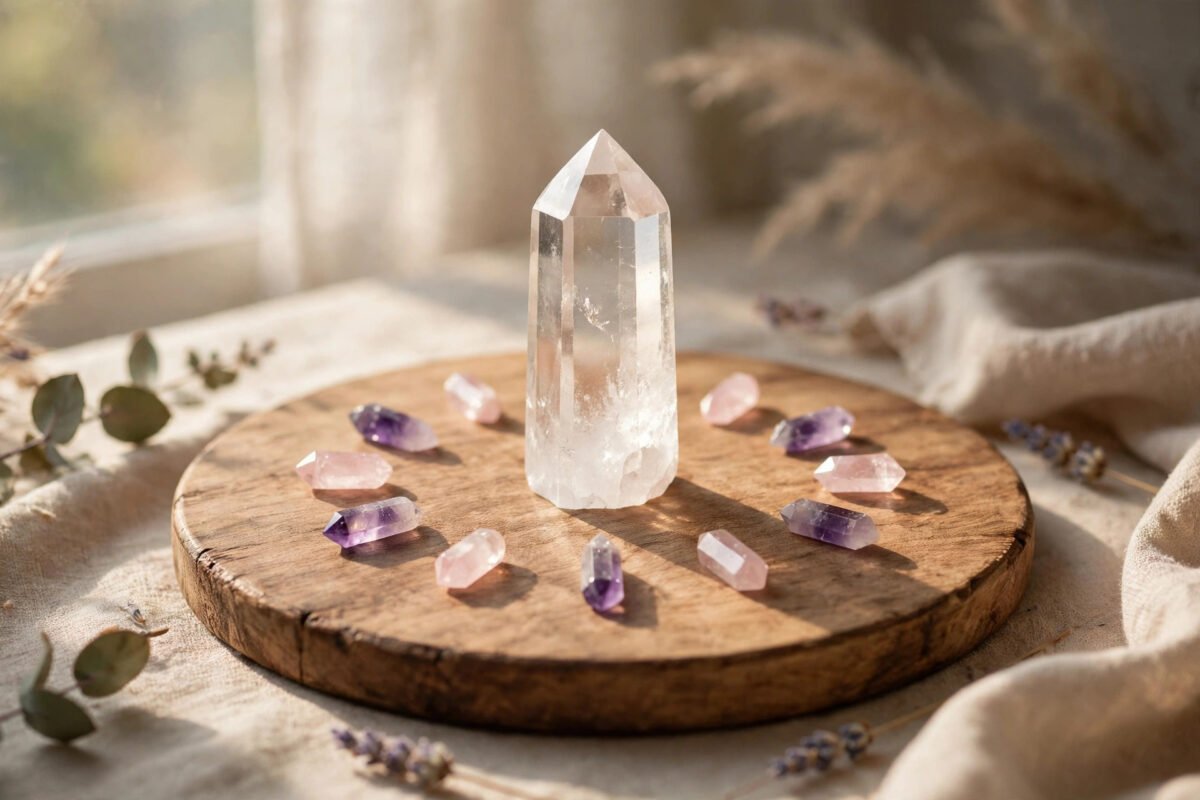
Walk into any crystal shop and you will see rows of polished towers rising like miniature obelisks. Among them, one shape carries a special name: the generator point. A true generator is defined by its geometry — six equal faces that meet at a single sharp tip — and collectors seek it out for crystal grids, display and focused intention work. Yet many towers sold as generators do not quite meet the definition, so knowing what to look for saves disappointment.
This guide explains the geometry, how generators differ from ordinary points and towers, the stones they are commonly cut from, and how people traditionally work with them at home.
The Geometry That Defines a Generator Point
A generator point has six triangular faces of roughly equal size that converge at one precise apex, sitting on a flat, stable base. The symmetry is the point: in crystal tradition, the six-sided form is believed to gather energy along its length and release it through the single tip in a concentrated way, rather than dispersing it. Whether or not you work with that belief, the geometry is easy to verify visually. Count the faces around the tip; there should be six, and none should dominate the others.
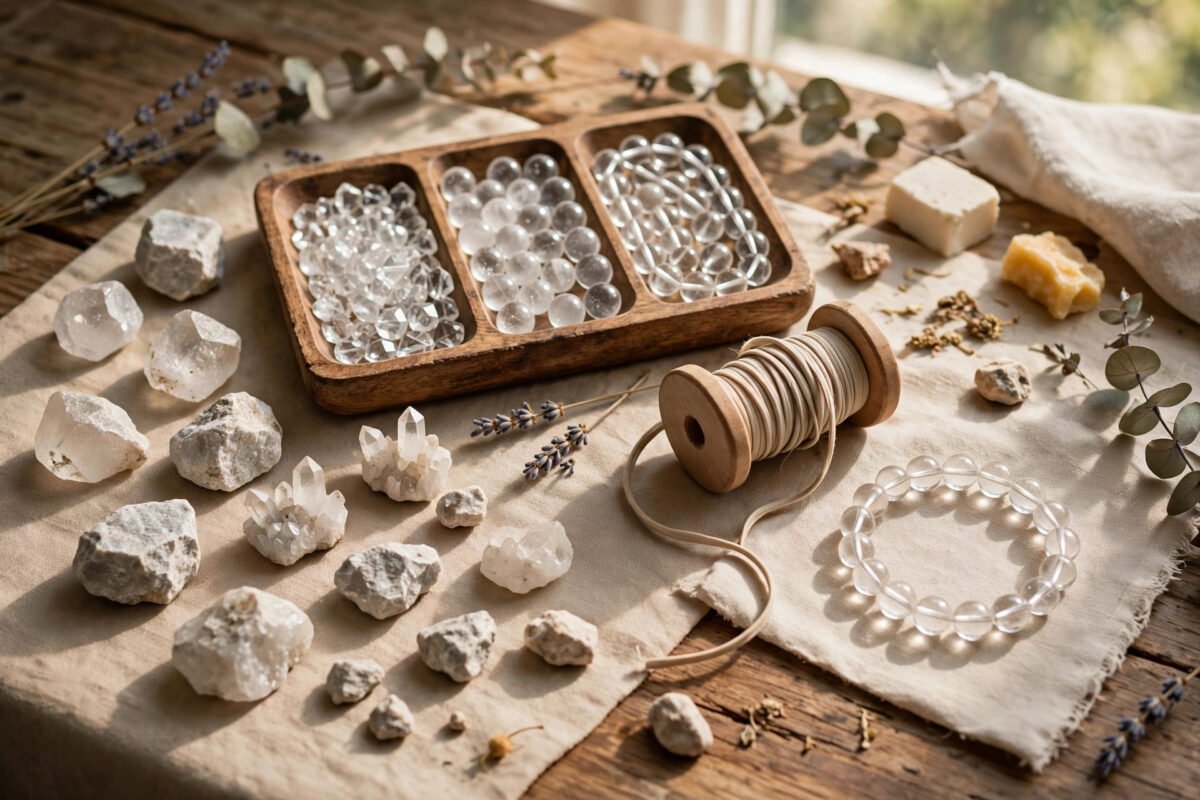
Most generators are cut and polished from natural crystal rather than found in perfect form, because natural points rarely have six truly equal faces. As our guide to how crystal beads are made explains for beads, shaping and polishing are what turn rough stone into precise forms. Quartz naturally grows in a hexagonal system, which is why six-sided points feel so natural in this mineral family; the Wikipedia page on quartz describes that hexagonal crystal structure in detail.
Size does not define a generator. They range from pocket-sized points a few centimetres tall to dramatic display pieces. What matters is proportion: equal faces, one tip, a flat base, and clean polish without chips at the apex, since a damaged tip is the most common flaw in this shape.
Generators vs Regular Points, Towers and Clusters
Terminology in shops can be loose, so it helps to separate the main forms. A natural point is an unpolished or lightly polished single crystal as it grew, with whatever faces nature gave it. A tower or obelisk is a polished, upright form, often with four or six sides, cut for display; it may have a fine tip without having six equal faces. A generator is the specific subset of towers that meets the six-equal-faces rule. A cluster, by contrast, is many points growing together on one base, with energy in tradition described as radiating in many directions at once.
None of these is better in an absolute sense. Clusters are traditionally associated with filling a room, towers with directing focus upward, and generators with concentrated, deliberate work such as the centre of a grid. Our guide to crystal points for grids explains how centre stones and surrounding points are chosen to work together.
When shopping, rotate the piece and sight down its length. On a true generator the six edges run straight and evenly spaced from base to tip. If one face is noticeably wider, the piece is a handsome tower — just not a generator — and should be priced accordingly.
Stones Commonly Cut as Generator Points
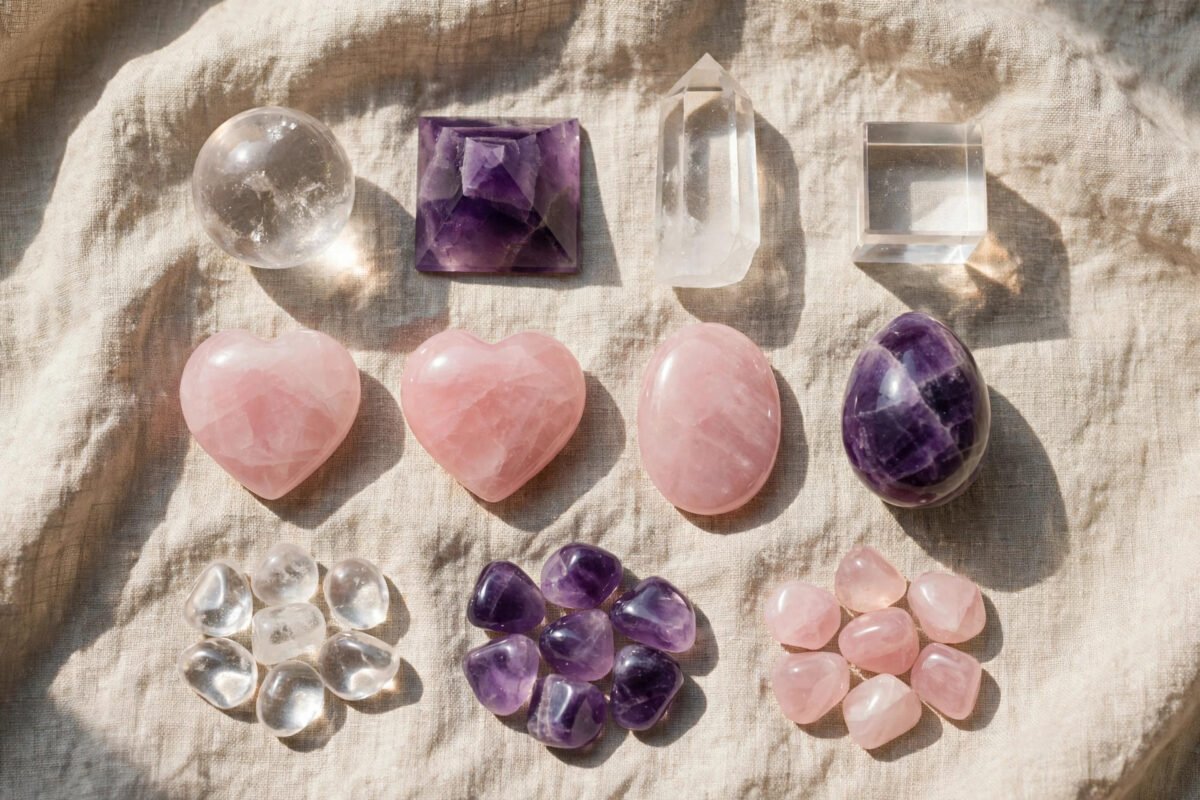
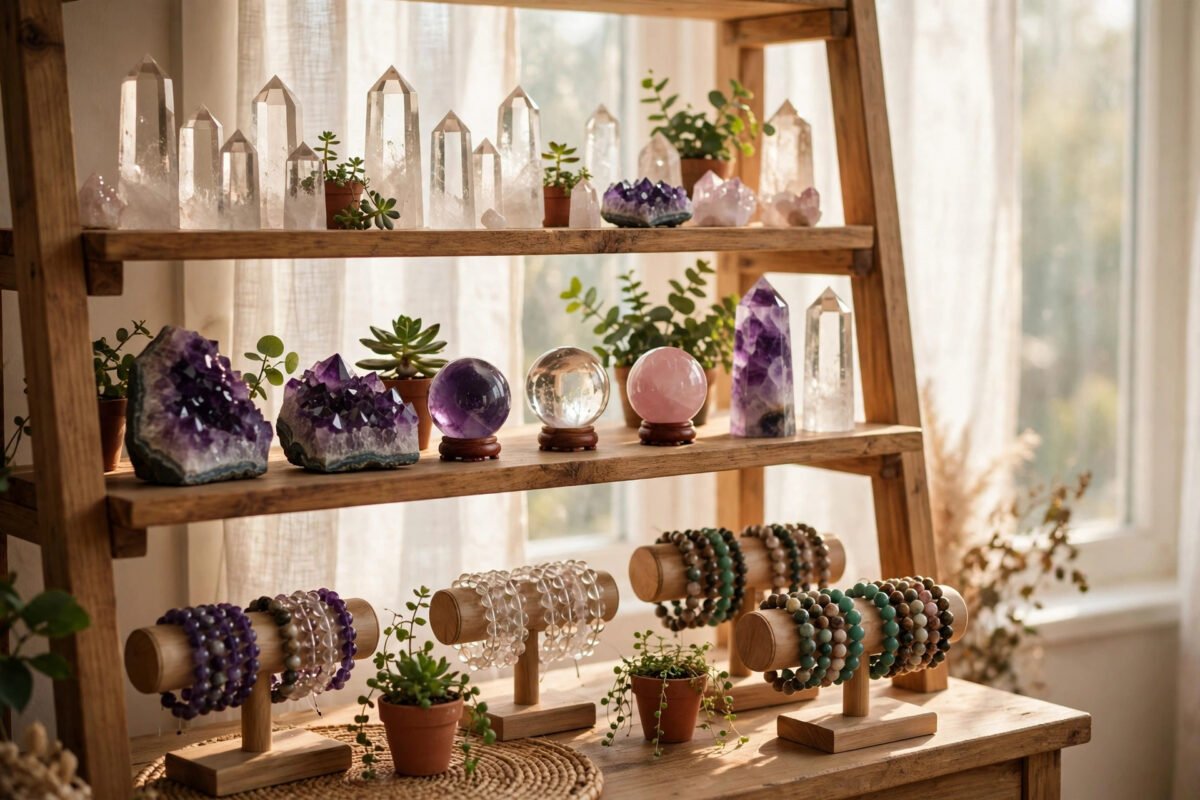
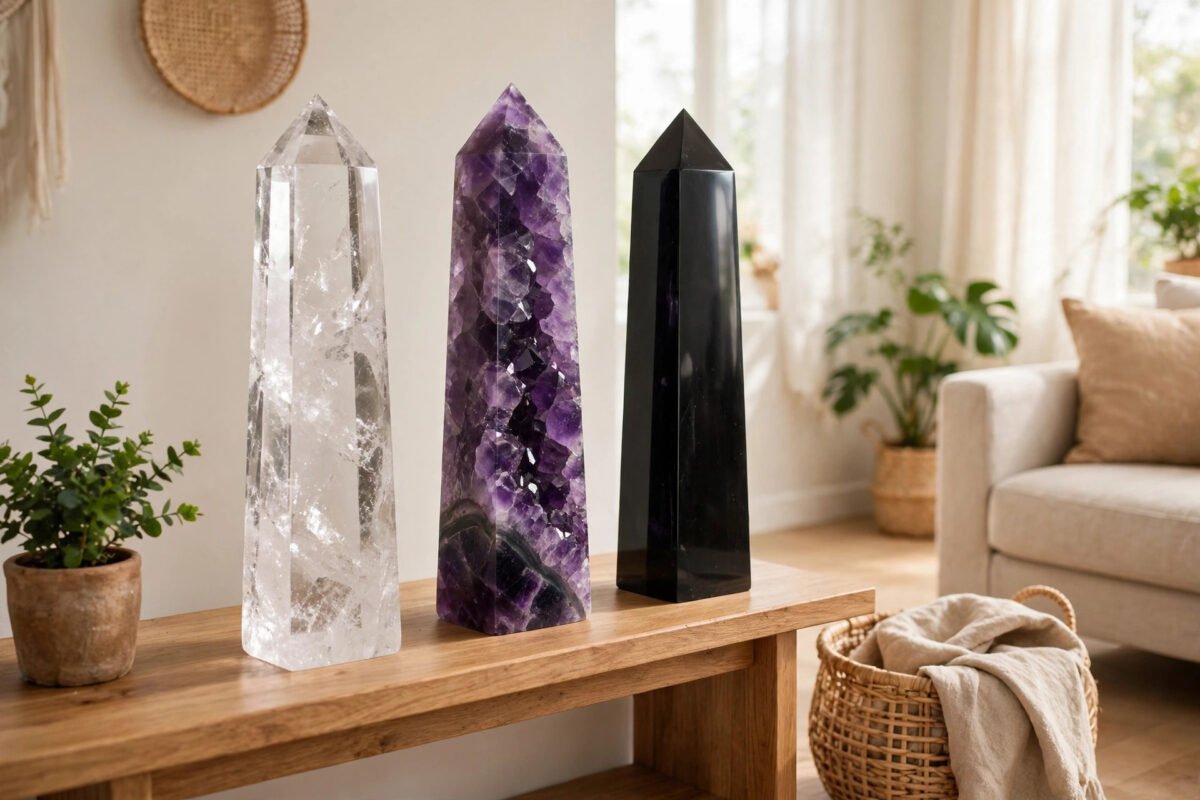
Clear quartz is the classic choice, traditionally associated with clarity and amplification, and its transparency shows the geometry beautifully. Amethyst generators bring the calm purple tones described in our amethyst meaning guide, while smoky quartz and citrine are chosen for warmer, earthier or sunnier palettes. Rose quartz generators soften the architectural shape with pink translucency, linking to the themes in our Hướng dẫn về ý nghĩa của thạch anh hồng.
Fluorite, with its bands of green and purple, is popular but softer than quartz, so its tips chip more easily and need careful handling. Obsidian generators are dramatic and glossy black, though their dark surface hides the facet edges, making the six-face check harder. Whatever the stone, hardness and polish quality decide how crisp the geometry looks and how well the tip survives everyday life on a desk or shelf.
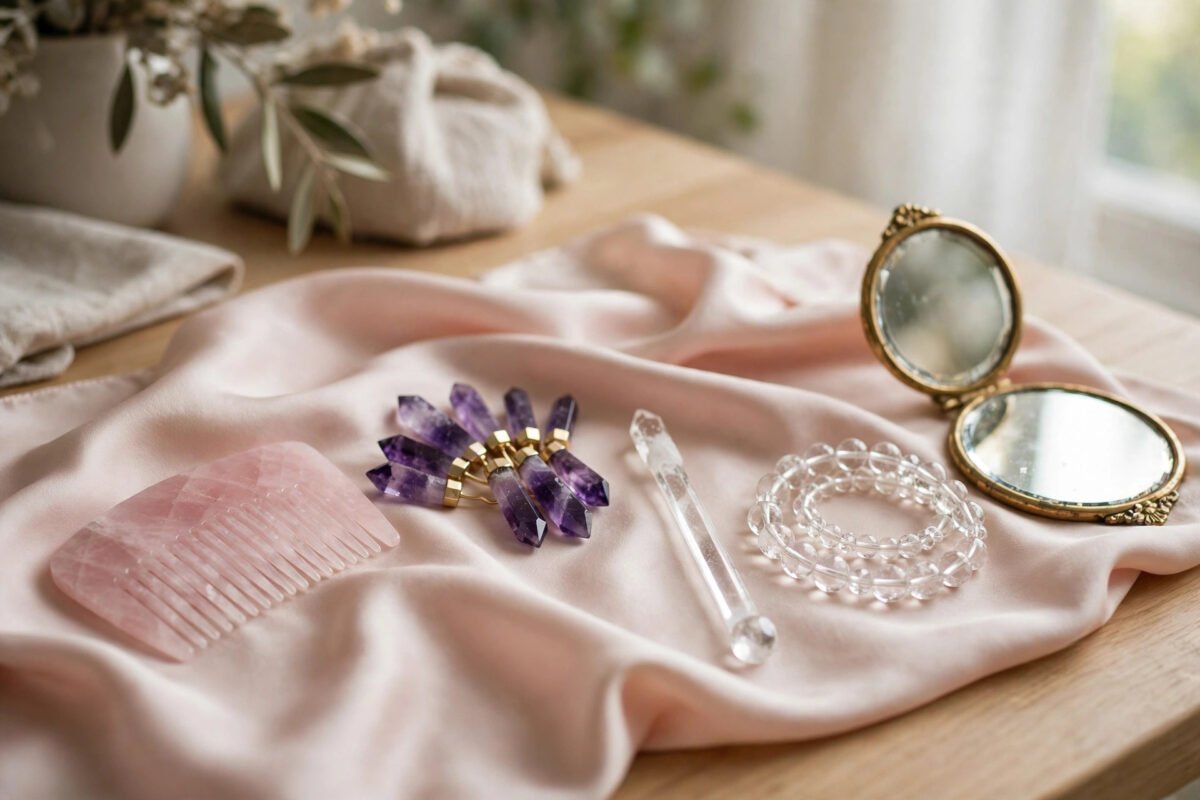
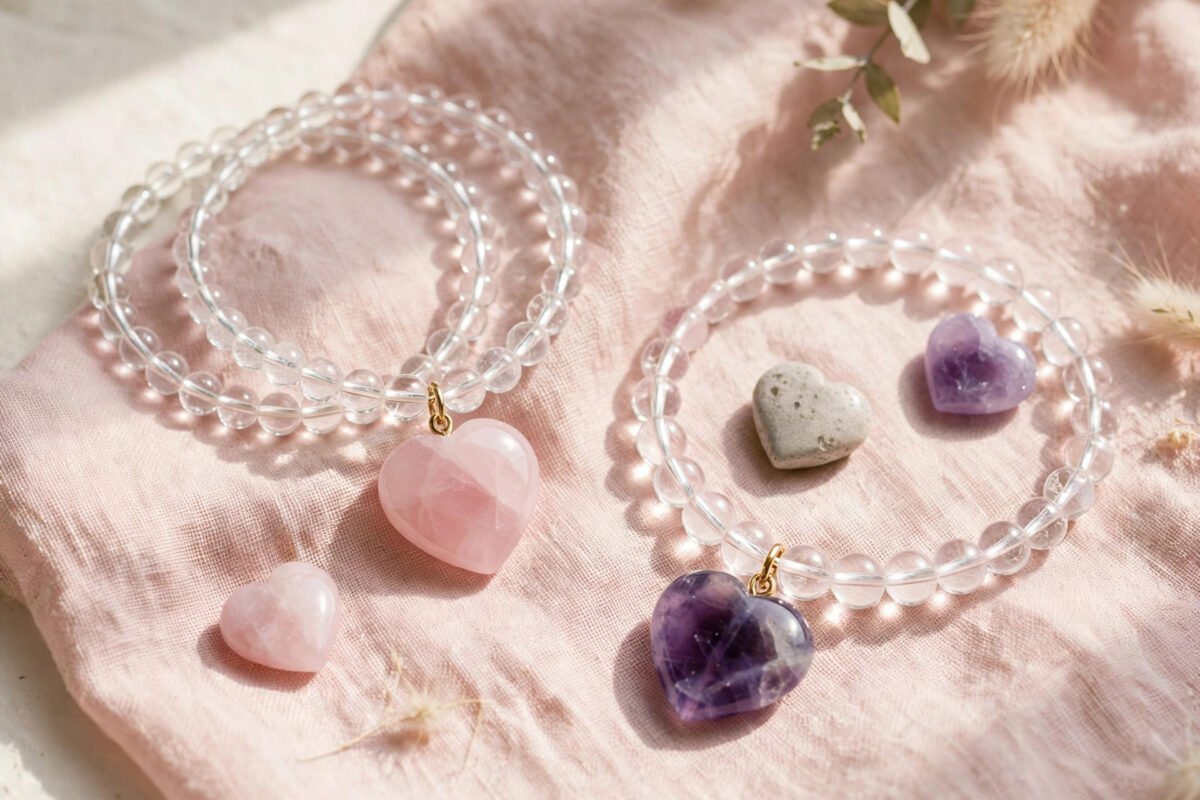
Many collectors pair a standing generator with wearable pieces in the same stone. An AVENSU amethyst bracelet worn during the day and a small amethyst generator on the nightstand is a common combination, keeping one visual theme across jewellery and home. You can browse matching stones in the Cửa hàng AVENSU.
How Generators Are Traditionally Used
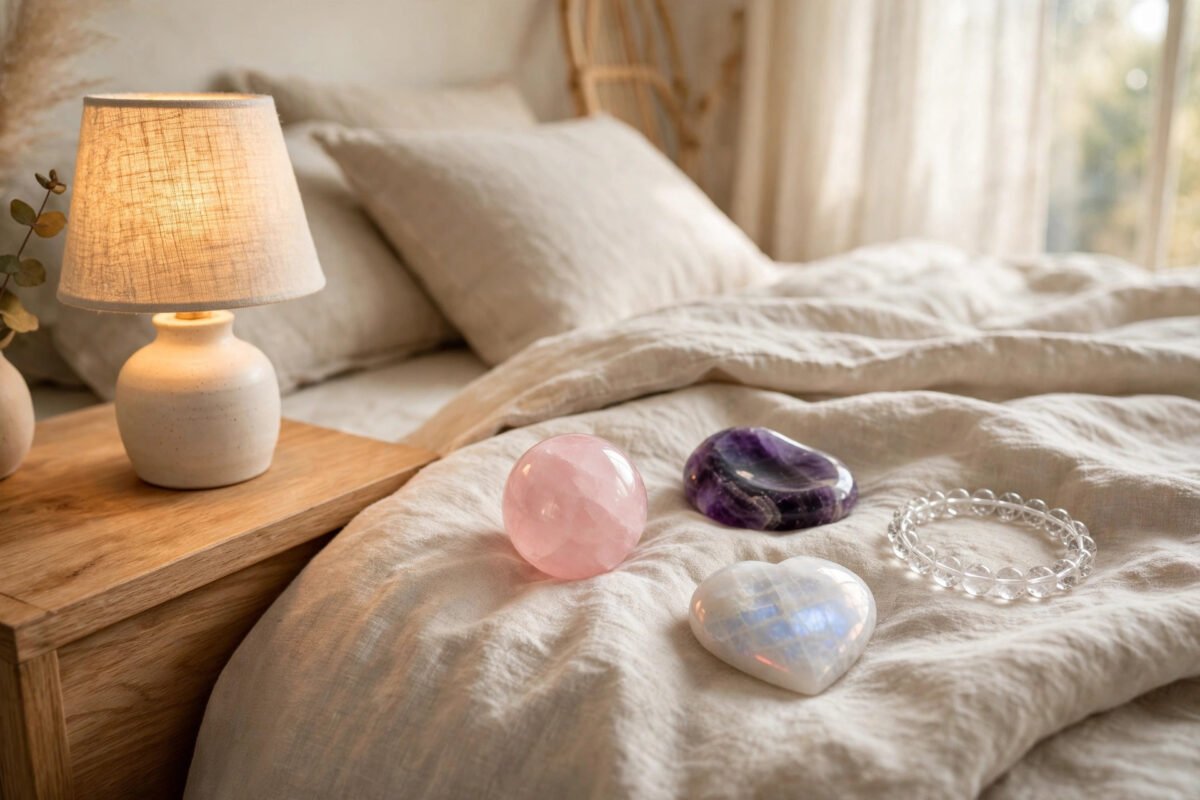
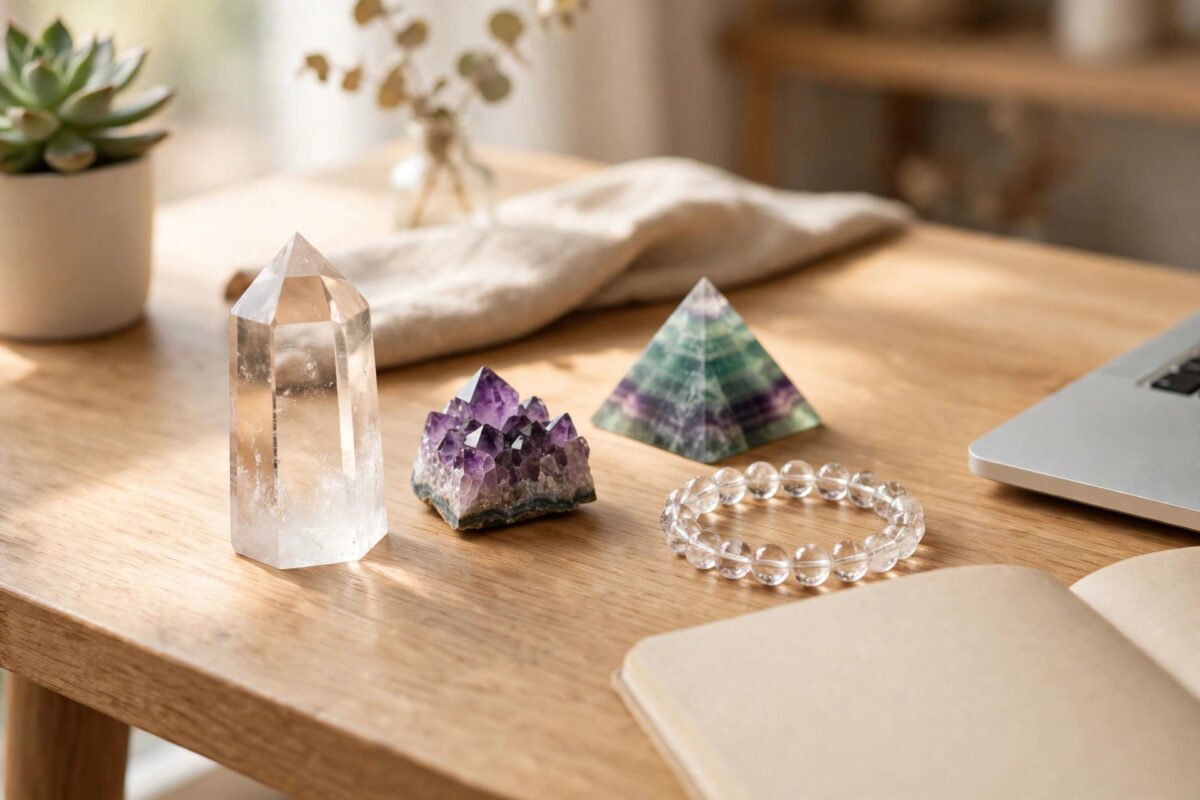
The most common use is as the centre stone of a crystal grid, where its tip is believed to focus the arrangement’s intention. Others keep a generator on a work desk as a visual anchor during focused tasks, or beside the bed as part of an evening wind-down ritual. In meditation, a generator is sometimes held base-down in the palm or placed in front of the seated practitioner as a point of visual focus.
Care is straightforward. Dust with a soft brush, wipe with a slightly damp cloth, and store or display it where it cannot be knocked over, since a fall usually damages the tip first. Our crystal care kit essentials lists the brushes and cloths that suit polished points. If you also collect smaller shaped pieces, our guide to crystal moon and star carvings covers the celestial companions that often share the same shelf.
A final tradition worth noting: because the generator’s tip is considered its most active point, many collectors keep the apex uncovered rather than draped with cloth or jewellery, and cleanse the piece regularly using the gentle methods in our complete crystal bracelet care routine, adapted for a standing piece.
Các câu hỏi thường gặp
How can I tell if a tower is really a generator point?
Count the faces meeting at the tip. A generator has exactly six faces of roughly equal width converging at one sharp apex, on a flat base. If the faces are uneven or there are four or eight of them, it is a tower or obelisk rather than a generator.
Does a generator point have to be natural or can it be polished?
Most generators are cut and polished from natural crystal, because naturally grown points seldom have six perfectly equal faces. A polished generator is still genuine stone; the shaping simply refines what nature started. Ask the seller whether the piece is natural, shaped, or entirely synthetic if that matters to you.
What size generator should a beginner buy?
A piece around 7–10 cm tall is a practical start: large enough for the geometry to read clearly and to serve as a grid centre, small enough to handle and store safely. Very small points work well as grid companions rather than centrepieces.
Which stone is best for a first generator point?
Clear quartz is the usual recommendation because it suits any intention in tradition and shows the six faces clearly. Choose amethyst for a calmer mood, smoky quartz for a grounding feel, or rose quartz for gentle, heart-focused themes.



 English
 Vietnamese