Visualization is meditation for people who think in pictures. Instead of emptying the mind — a frustrating goal for most beginners — you give it a single, beautiful image to hold: a lotus flower opening, petal by petal, in still water. The lotus meditation pairs this classic purity visualization with your bracelet as a tactile anchor, so that when the image wavers, your fingers bring you back. Ten minutes, no experience needed.
Why the Lotus
The lotus is one of the oldest symbols in human spirituality, and for good reason: it grows from muddy water and blooms unstained above it. That image — purity emerging from difficulty — is the entire meditation in a single picture. The sacred lotus, Nelumbo nucifera, is the national flower of India and a central symbol in Hinduism and Buddhism, representing purity, enlightenment, and rebirth; its botanical and cultural background is covered on the Nelumbo nucifera page. For the symbol’s full story in jewelry specifically, see our lotus meaning in jewelry guide.
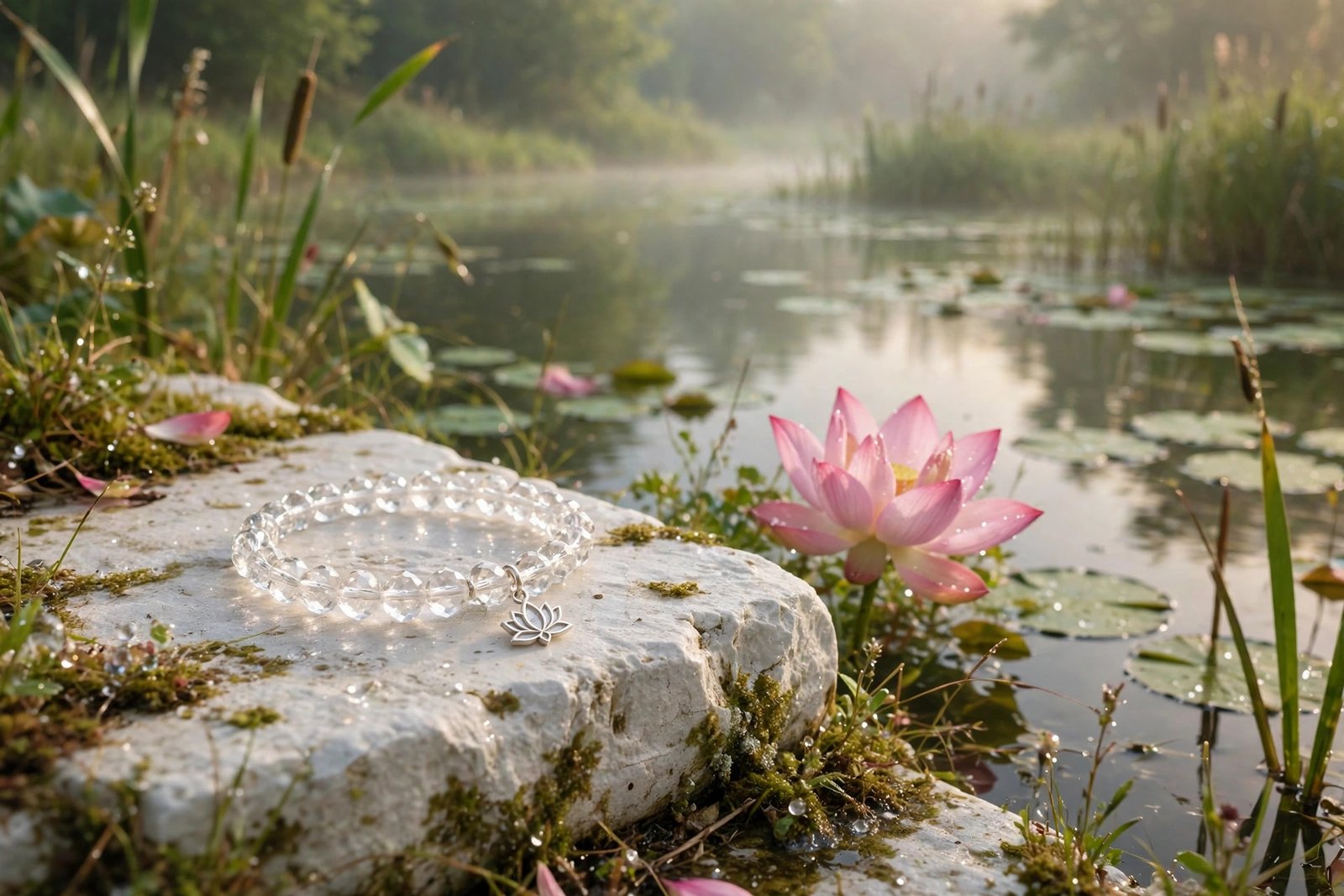
In this practice, the lotus is a visualization aid, not a religious statement. You do not need to subscribe to any symbolism — you just need the image, which works because it is vivid, simple, and inherently calming. A lotus crystal bracelet gives you a physical lotus to hold while you picture the real one. Find more visualization practices in our spiritual rituals collection.
Preparing for the Visualization
- A quiet ten minutes. Morning or evening both work; pick the time you can protect daily.
- A comfortable seat. Back supported, feet flat or cross-legged — whatever lets you sit still without fidgeting.
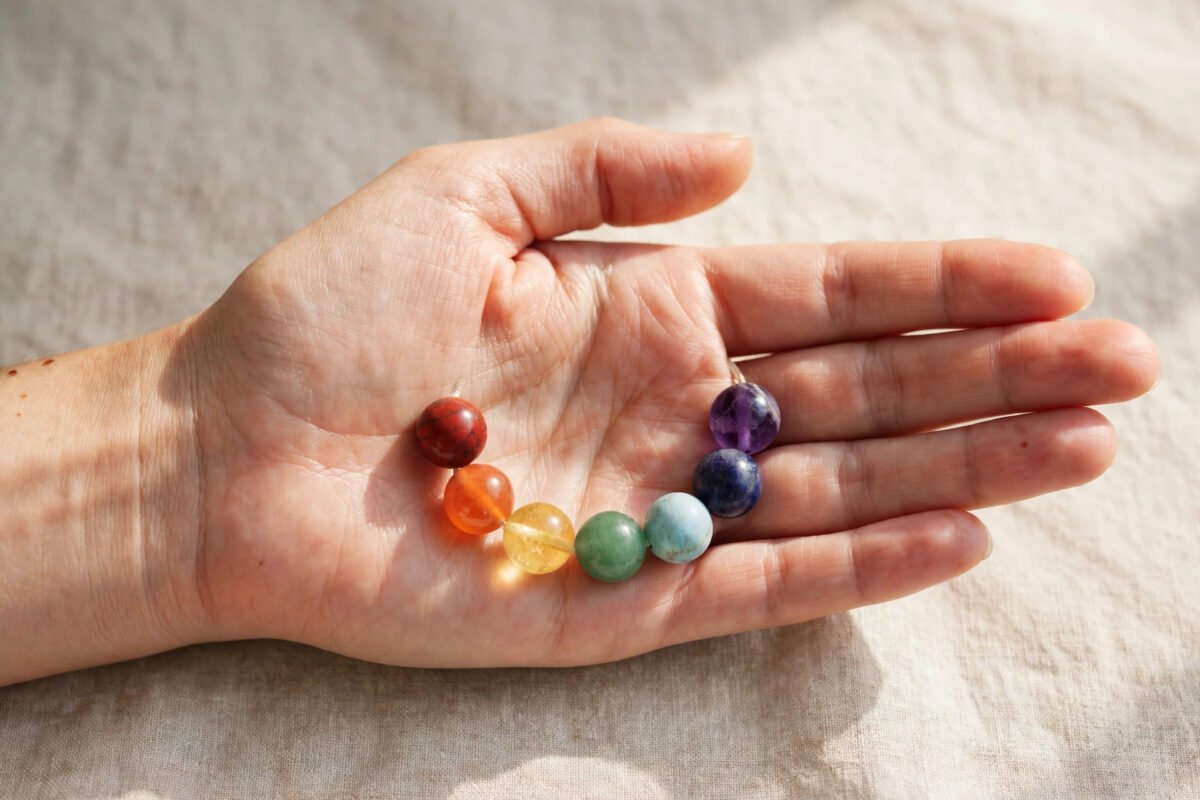
- Your bracelet in hand. Hold it loosely, or wear it and touch the lotus charm or a single bead with your thumb.
- Dim the lights slightly if you can. Visualization is easier when the visual field is calm.
The Lotus Visualization, Step by Step
Step 1 — Arrive at the Water (2 minutes)
Close your eyes. Take five slow breaths — in for four, out for six. Now picture a still pond at dawn: glassy water, soft light, complete quiet. See the surface clearly. If the image is vague, that is fine — vague counts. Touch the bracelet; the physical sensation anchors you in the scene.
Step 2 — Find the Bud (2 minutes)
On the water’s surface, picture a single closed lotus bud — tight, green-tipped, resting just above the water. This bud represents whatever feels closed or stuck in you right now: a worry, a fatigue, a decision. Do not analyze it; just let the bud hold it. Breathe slowly and watch the bud bob gently. With each exhale, let your shoulders drop a fraction lower.
Step 3 — The Opening (4 minutes)
Now, very slowly, watch the bud begin to open. One petal unfurls — then another. Do not rush; let each petal take several breaths. As the petals open, picture whatever the bud was holding dissolving into the morning light — not forced out, just released, the way mist burns off water. Move your thumb to the next bead with each petal. If the image fades, return to the physical bracelet for a breath, then rebuild the picture. It will fade and rebuild many times; that cycle IS the meditation.
Step 4 — Rest in the Bloom (2 minutes)
The lotus is fully open now — wide petals, golden center, resting on perfectly still water. Rest your attention on the open flower. No more unfolding to do. Breathe with it: the flower does not strive, and neither do you for these two minutes. Hold the bracelet still in your palm.
Step 5 — Return (a few seconds)
Take one deeper breath. Gently open your eyes. Touch the bracelet once. The visualization is complete — carry the image of the open lotus with you into the day. Many practitioners find that recalling the open flower later, with a touch of the bracelet, briefly restores the calm of the session.
Deepening the Practice
- Week 2: add color. Give your lotus a specific color — white for clarity, pink for warmth, blue for calm — and notice how the color changes the feeling.
- Week 3: add sound. Layer in the faintest imagined sound of water, or pair the visualization with soft ambient music.
- For difficult days: use the bud stage longer. Some days the flower does not open fully, and that is an honest meditation too — forcing the bloom defeats the purpose.
- Pair it: our beginner crystal meditation builds the seated stillness this visualization needs, and our meditation space guide helps you set up a dedicated corner.
“The lotus does not argue with the mud. It simply grows through it, on schedule, every season. Visualization borrows that patience — you do not fix the difficulty, you outgrow its grip on your attention.”
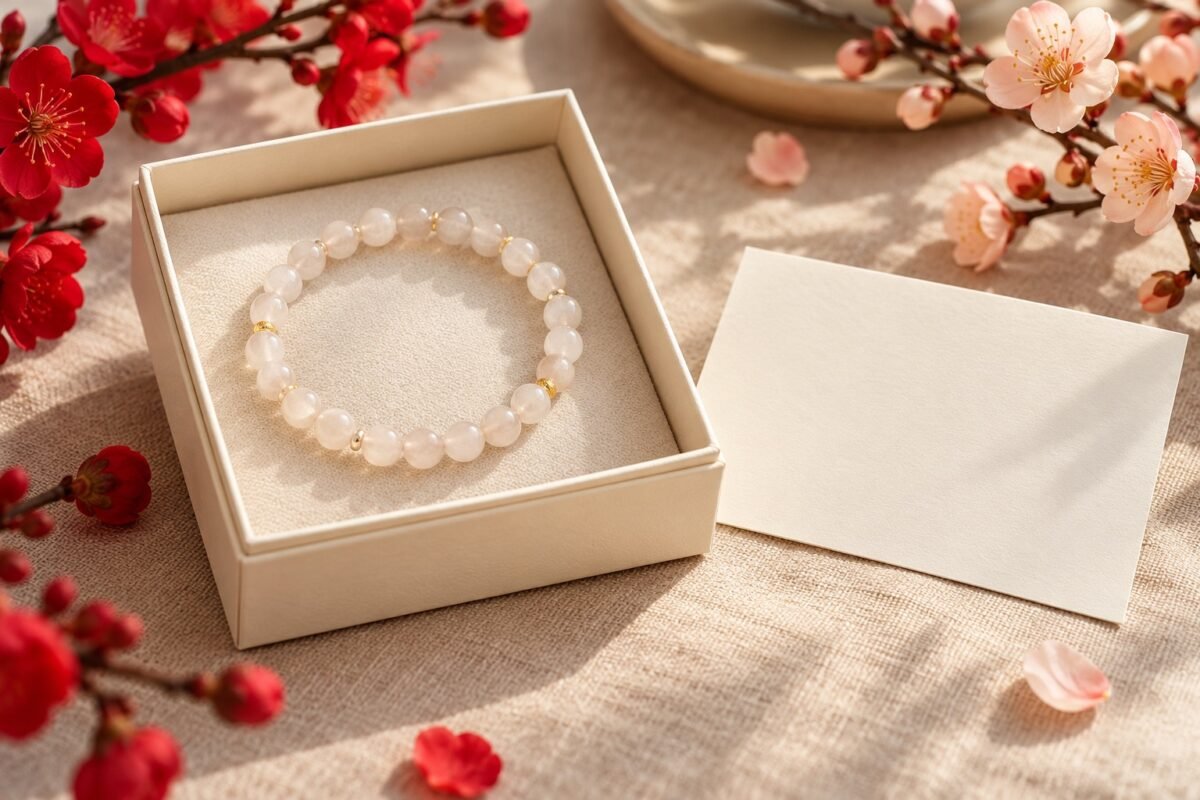
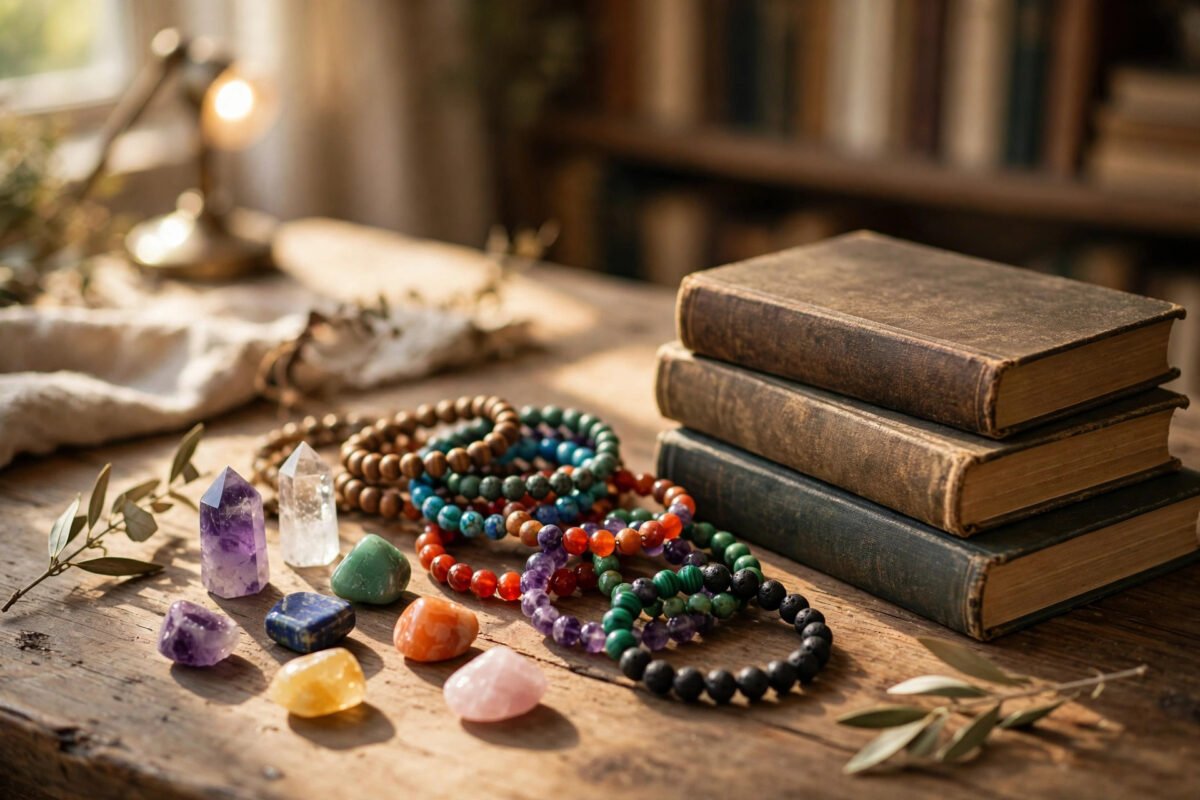
The lotus crystal bracelet is designed for exactly this practice: a lotus charm among the beads gives your thumb a home base during the visualization. For a version that adds sandalwood’s calming scent to the practice, the sandalwood lotus bracelet combines both anchors. And if the lotus theme speaks to you as a gift, our lotus bracelet gift guide explores its peaceful symbolism further.
Frequently Asked Questions
What if I cannot visualize clearly?
You are in the majority — most people see vague impressions, not photographs, and that is completely sufficient. The meditation works through sustained gentle attention, not image resolution. If even vague images elude you, focus on the idea of the lotus and the physical bracelet; the effect is the same.
Is this a religious practice?
The lotus has deep roots in Hinduism and Buddhism, and this visualization borrows the image with respect. But as practiced here it is a secular mindfulness exercise — no beliefs, mantras, or commitments required. If the symbolism resonates spiritually for you, that is welcome too.
How is visualization different from regular meditation?
Most meditation asks you to rest attention on something neutral (the breath) and return when it wanders. Visualization gives attention an active job — building and holding an image — which many beginners find easier than “thinking about nothing.” Both train the same attentional muscle.
Can I do this meditation lying down?
You can, but sitting is better for visualization — lying down tends to blur the line between meditation and napping, especially in the evening. If sitting is uncomfortable, try a reclined chair rather than a bed.







 English
 Vietnamese