Confidence rarely disappears all at once. It erodes: a decision you keep reopening, a meeting where you said nothing, a project that stalls because starting feels risky. In chakra tradition, patterns like these are linked with the solar plexus chakra, Manipura, the centre at the upper abdomen traditionally associated with personal power, self-trust and the will to act. When practitioners say this chakra needs attention, they usually mean the inner “engine” — the part of you that decides and does — is running either too low or too hot.
This article describes the signs most commonly mentioned in tradition, distinguishes the underactive and overactive patterns, and outlines the stones and habits people traditionally use to restore steadier confidence. It is a reflective lens, not a diagnosis; persistent difficulties with mood, digestion or work functioning deserve proper professional support.
The Underactive Pattern: Self-Doubt and Stalled Action
The classic underactive description is chronic indecision. Choices that should take an afternoon take a month; advice gets collected from everyone; the final call still feels unsafe. Practitioners link this with a solar plexus flame burning low — not a lack of intelligence or options, but a lack of trust in one’s own judgement.
Procrastination belongs here too, especially the specific kind where the task matters to you. So does the habit of shrinking in groups: having the answer in the meeting and saying it afterwards to one colleague instead. In traditional language, energy that should move outward into action keeps circling as rumination.
Physical associations in tradition centre on the stomach and digestion: butterflies that never settle, appetite that vanishes under pressure, a habit of bracing the abdomen. These are traditional correspondences, not medical explanations — ongoing digestive symptoms should always be checked properly. For the historical framework, the Wikipedia overview of Manipura summarises classical sources.
Context matters. New jobs, new parenthood and grief all temporarily dent anyone’s decisiveness. Tradition looks for patterns that persist across situations and seasons. Compare neighbouring centres before concluding: insecurity about basics points to the root (root blocked signs), flat creativity points to the sacral (sacral blocked signs), while decision-and-action problems point here.
The Overactive Pattern: Control, Drive and Burnout
The other direction is less often recognised as a chakra pattern because it can look like success. The overactive solar plexus, in traditional description, drives relentlessly: work expands into every evening, rest feels like failure, other people’s slower pace triggers irritation, and control — of schedules, standards, outcomes — becomes non-negotiable.
Underneath, practitioners say, the mechanism is the same as self-doubt: trust is missing. Instead of shrinking from action, the person over-manages it, checking, redoing and carrying everything themselves because delegating feels dangerous. Perfectionism, workaholism and difficulty receiving help all appear in traditional lists for this pattern.
The seesaw between the two states is common. A week of driven overwork collapses into a week of avoidance and stalled inbox, which creates guilt, which fuels another driven surge. Tradition’s remedy in both directions is rhythm and proportion: regular fuel, regular rest, decisions made at the right size rather than inflated into verdicts on your worth. Our guide on how long to balance one chakra explains why practitioners favour steady weeks over heroic resets.
Stones Traditionally Used for Steadier Confidence
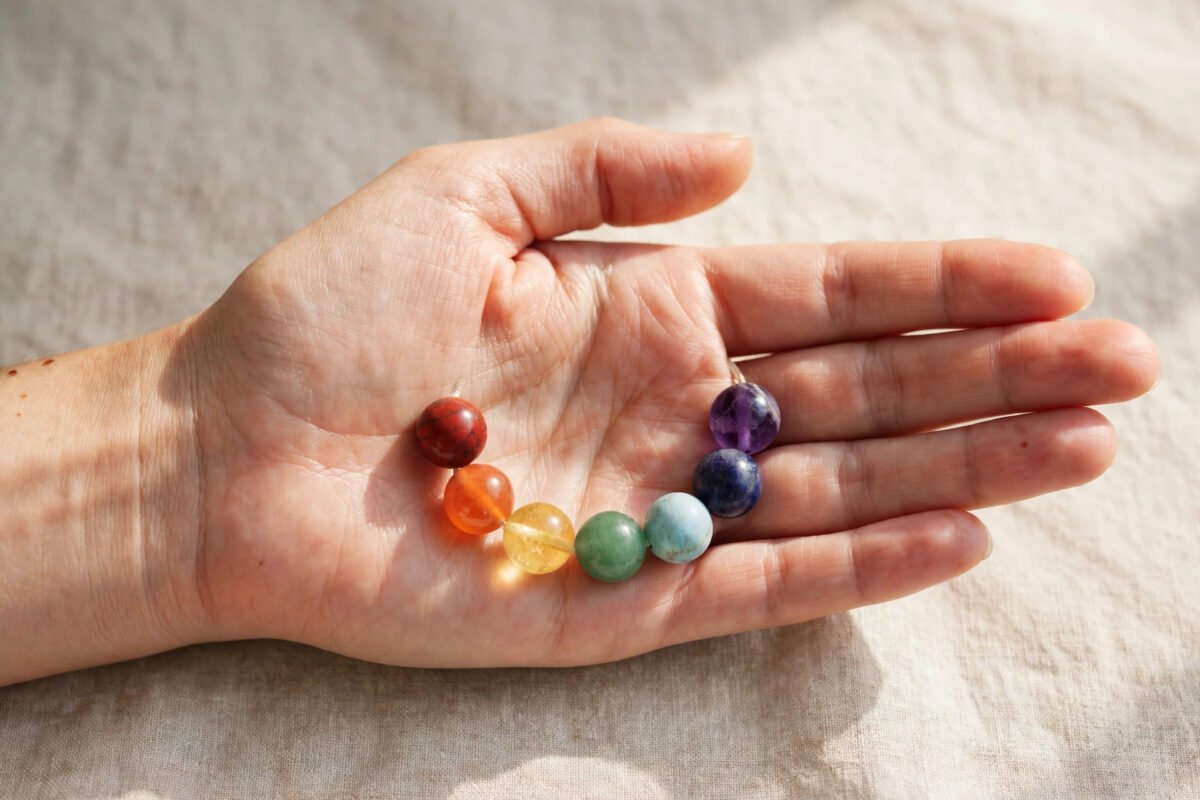
Citrine is the first recommendation for the underactive pattern. Traditionally associated with optimism and mental clarity, this yellow quartz — profiled by the GIA — is believed to lift the fog around decisions. An AVENSU citrine bracelet worn on workdays is the standard suggestion for readers who over-consult and under-decide.
Tiger’s eye suits both directions. For the hesitant, it is traditionally linked with practical courage; for the over-driven, with perspective — the ability to see a situation whole before reacting. Its banded chatoyancy, described on Mindat, has made it an amulet stone since antiquity. Yellow jasper is the slow-burn option for persistence, and pyrite is chosen when the pattern specifically involves money decisions and undercharging for your work.
One stone worn consistently beats a rotating collection, because the association between the stone and the behaviour is the mechanism tradition relies on. Our solar plexus crystals guide compares the main stones, our big decisions guide tailors choices to high-stakes moments, and the AVENSU shop stocks all of them as everyday bracelets. Pairing sacral and solar pieces is also traditional — see the sacral and solar plexus crystal pair guide.
Habits That Traditionally Support This Centre
Decide small, daily. Tradition treats decision-making like a muscle: one small, time-boxed choice made cleanly each day — what to cook, which task first, a reply sent without a fourth re-read — rebuilds trust faster than one dramatic leap. Your stone is the cue; put on your AVENSU tiger’s eye bracelet and make the first decision of the day within five minutes.
Finish things visibly. Keep a done list alongside the to-do list, and let completed items accumulate where you can see them. Practitioners say the solar plexus responds to evidence, and a bracelet stacked with finished business reads as evidence on the wrist.
Use the short practice in our solar plexus meditation guide before significant meetings or study sessions: three minutes of breath focused at the navel, visualising warm yellow light, with your stone in hand. Follow it with the grounding habit from our morning crystal ritual — sunlight, breakfast, movement — because tradition links this fire centre to actual fuel and daylight.
Finally, audit your inputs. Endless news and comparison feeds feed both paralysis and overdrive. A regular refresh of your stones with our cleansing with sound method can double as a weekly review ritual: what did I decide, what did I finish, what gets one clean decision next week?
Frequently Asked Questions
What is the clearest sign of a solar plexus imbalance?
In traditional descriptions, persistent indecision combined with low trust in your own judgement is the clearest underactive sign, while relentless overwork and a need to control everything signal the overactive direction. Both are patterns over time, not single bad days.
Which crystal is traditionally recommended for confidence?
Citrine is the most common recommendation for lifting self-doubt and clarifying decisions, and tiger’s eye for steady, practical courage. Wearing one consistently as a daily cue is the approach tradition favours.
Can solar plexus work help with procrastination?
Tradition links certain procrastination — avoiding tasks that matter because the outcome feels risky — with this centre. Small daily decisions, visible completions and a stone worn as a starting cue are the classic practices, alongside ordinary productivity support.
How long does it take to rebuild steadier confidence?
Most guides suggest four weeks of small, consistent practice before assessing. Confidence in this framework is built from accumulated evidence of decisions made and kept, which is why daily micro-actions outperform occasional big gestures.








 English
 Vietnamese