Anxiety has a way of pulling you out of your body — racing thoughts, shallow breathing, a buzzing sense that something is wrong somewhere. Grounding practices work in the opposite direction: they use breath, sensation, and deliberate attention to bring you back to the present moment. This 5-minute grounding ritual pairs classic mindfulness techniques with a bracelet as a tactile anchor. It is a simple practice for hard moments — not a treatment, not a cure, just a steadier five minutes.
A Note Before You Begin
This ritual is a mindfulness practice, not medical advice. Breathwork and sensory grounding are widely used in stress-management traditions, and many people find them calming — but they are not substitutes for professional support. If anxiety is persistent, overwhelming, or interfering with your daily life, please reach out to a qualified mental health professional. Using this practice alongside proper care is always the wiser path.
Why Grounding Helps (in Plain Language)
When worry spikes, attention collapses onto imagined futures. Grounding techniques redirect attention to what is physically happening right now — the weight of your feet, the temperature of the air, the texture under your fingers. Mindfulness research describes this present-moment awareness as a core skill for working with difficult mental states.
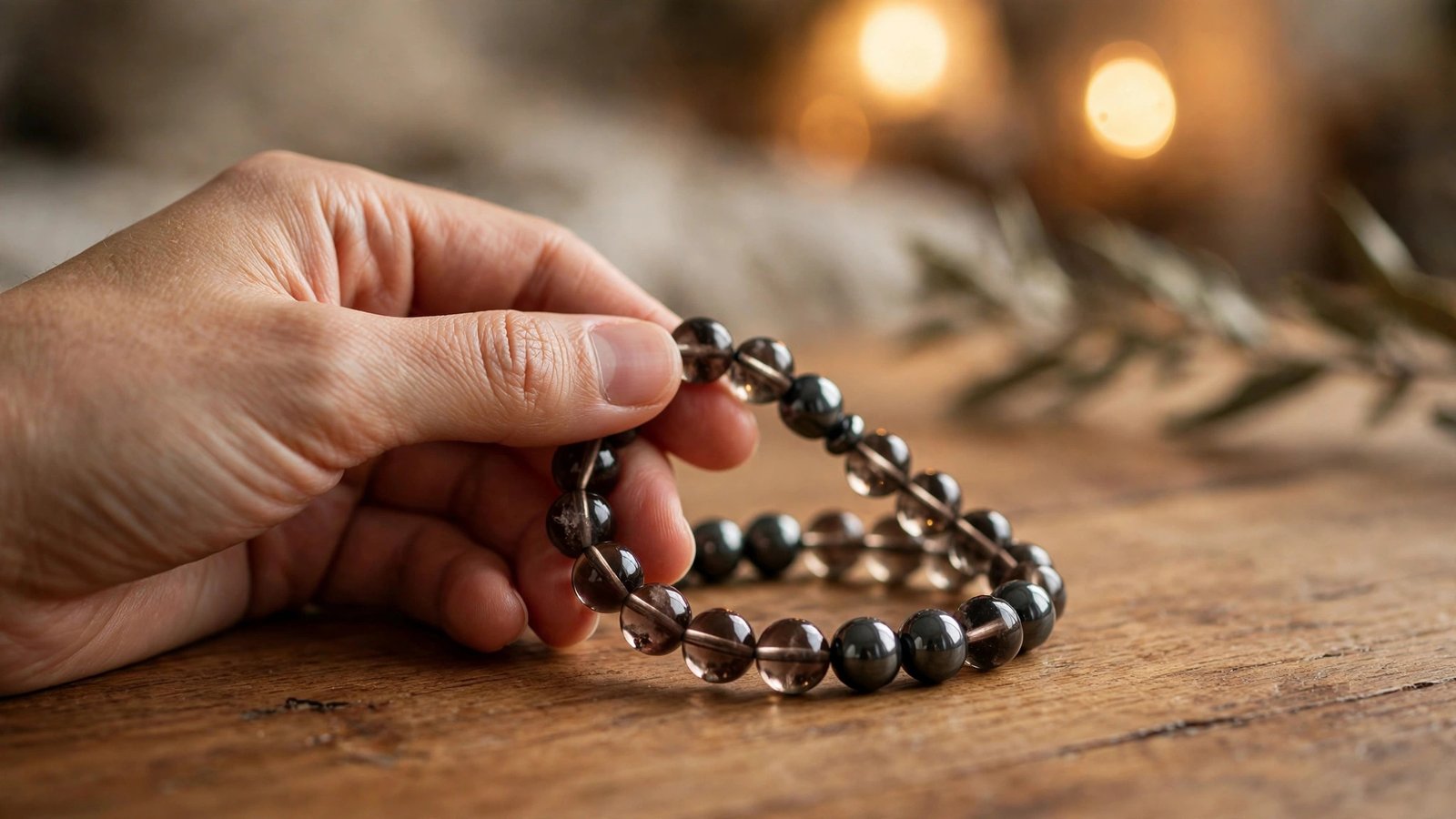
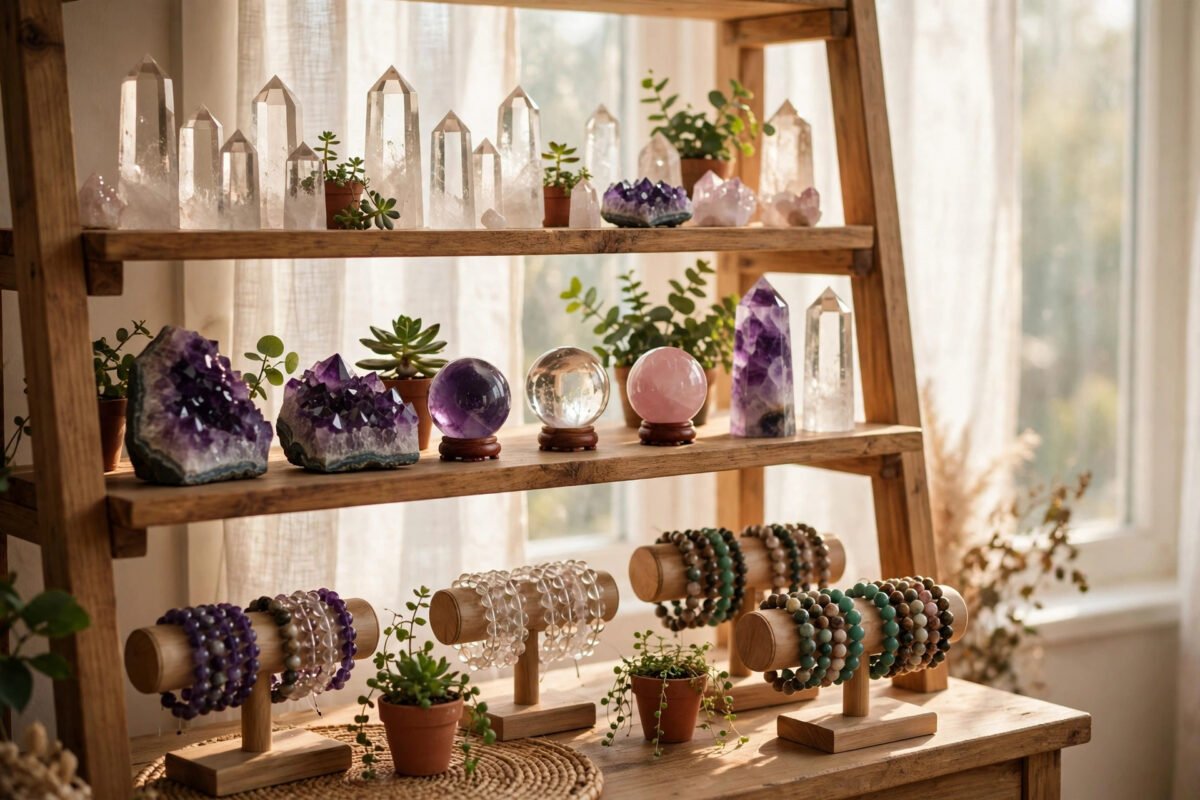
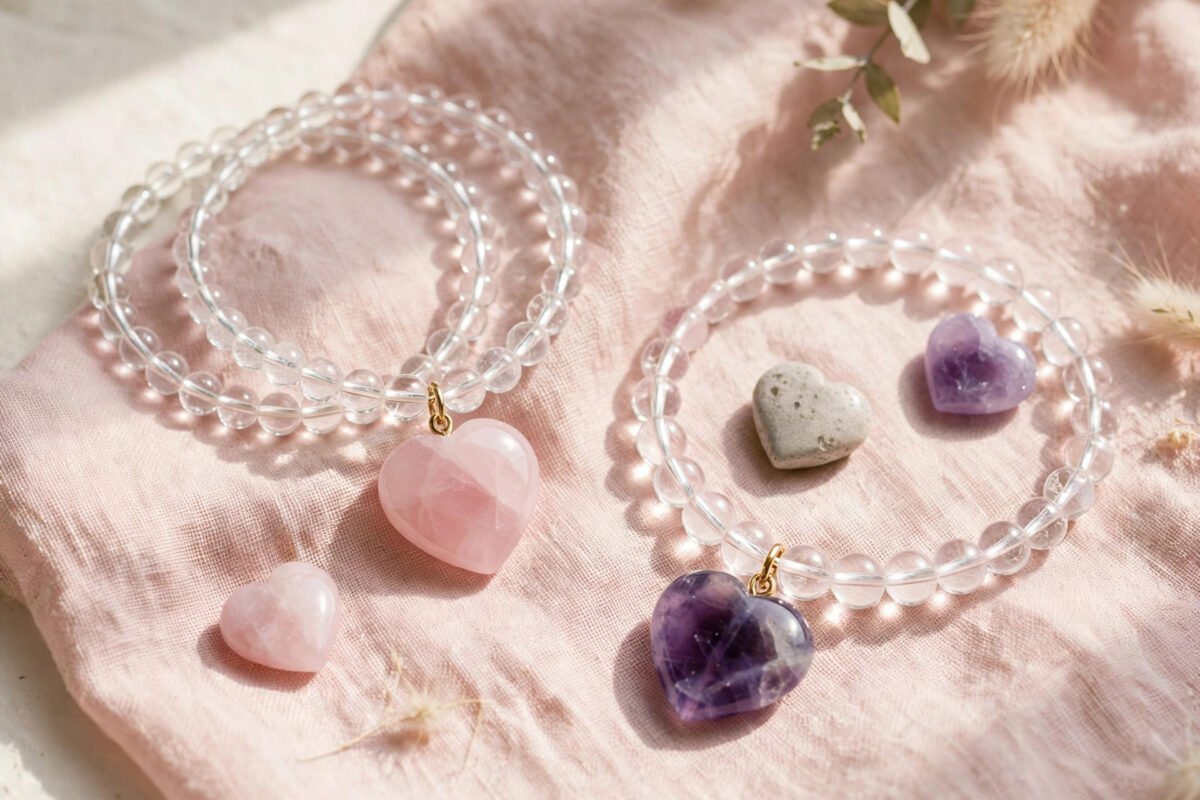
A bracelet earns its place here as a portable anchor. Fingers on cool stone give the mind a concrete job — notice this bead, then this one — which competes directly with the spiral of worry for your attention. Grounding stones like hematite, smoky quartz, and obsidian are traditional choices for this role; our grounding stones guide explains each stone’s traditional associations. More practices like this live in our mindful rituals collection.
The 5-Minute Grounding Ritual
Minute 1: Settle and Breathe (Box Breathing)
Sit down if you can — a chair, the floor, a park bench. Take your bracelet in one hand (or touch the beads on your wrist). Begin box breathing: inhale for 4 counts, hold for 4, exhale for 4, hold empty for 4. Repeat for one minute. The counting gives your mind structure; the extended exhale tends to feel calming. If holding the breath feels uncomfortable, skip the holds and simply breathe slowly in and out. For a dedicated routine that builds on this, our breathwork and bracelet touchstone practice pairs several breathing patterns with bead-by-bead touch.
Minutes 2–3: Anchor in the Senses (5-4-3-2-1)
Now run the classic 5-4-3-2-1 sensory inventory, keeping one thumb on a bracelet bead throughout:
- 5 things you can see — name them silently, in detail (“the chipped corner of the mug”).
- 4 things you can physically feel — the chair, your feet in shoes, the bead’s coolness, fabric on skin.
- 3 things you can hear — traffic, a clock, your own breath.
- 2 things you can smell — coffee, rain, soap.
- 1 thing you can taste — toothpaste, tea, plain air.
Move one bead per item. By the end you have touched twenty beads and, more importantly, spent two full minutes firmly in the present.
Minute 4: Name It and Normalize It
Silently complete this sentence: “Right now I feel ___ because ___, and that is a feeling, not a fact.” For example: “Right now I feel shaky because the meeting went badly, and that is a feeling, not a fact.” Naming an emotion tends to reduce its grip — psychologists call this affect labeling — and the second half reminds you that feelings are weather, not climate.
Minute 5: Choose One Next Step
Anxiety often comes with paralysis. Close the ritual by choosing exactly one small, concrete next step: drink a glass of water, step outside for two minutes, text one person, write the first line of the email. Say it aloud if you can. Then put the bracelet back on (or simply notice it on your wrist) as a reminder: I have a practice for this.
Making It a Habit, Not Just a Rescue
- Practice when calm, too. Running the ritual on ordinary days builds the neural pathway, so it is easier to reach for when you actually need it. Our morning crystal ritual is a good daily container.
- Keep the bracelet accessible. The practice only works if the anchor is within reach — wear it, or keep it in a pocket or bag you always carry. Our wooden grounding bracelet ritual explores another tactile tradition for the same purpose.
- Pair with movement. After the five minutes, a short walk — even around the block — often helps the body complete the calming cycle the breath started.
- Extend with meditation. When five minutes is not enough, the bead-by-bead method in our beginner’s crystal meditation guide stretches the same anchor into a longer sit.
“You cannot think your way out of a feeling. But you can breathe, notice, and name your way back to the room you are actually in.”
The grounding crystal bracelet was designed as an anchor for practices like this one — weighty, tactile grounding stones on comfortable elastic, made to be touched in hard moments and worn through ordinary ones.
If this practice resonates with you, consider gifting it: our grounding bracelet Christmas gift guide shows how to present the same calming ritual to an overwhelmed mom this December.
Frequently Asked Questions
Can a grounding ritual really help with anxiety?
Grounding techniques — slow breathing, sensory inventories, tactile anchors — are widely used in mindfulness and stress-management traditions, and many people find them calming in the moment. They are coping practices, not treatments: helpful tools for difficult moments, not replacements for professional care when anxiety is persistent.
What is the 5-4-3-2-1 technique?
It is a sensory grounding exercise: name 5 things you see, 4 you feel, 3 you hear, 2 you smell, and 1 you taste. The counting and detailed noticing redirect attention from worried thoughts to present-moment perception. Pairing each item with a bracelet bead adds a tactile anchor to the sequence.
Which crystal is best for anxiety?
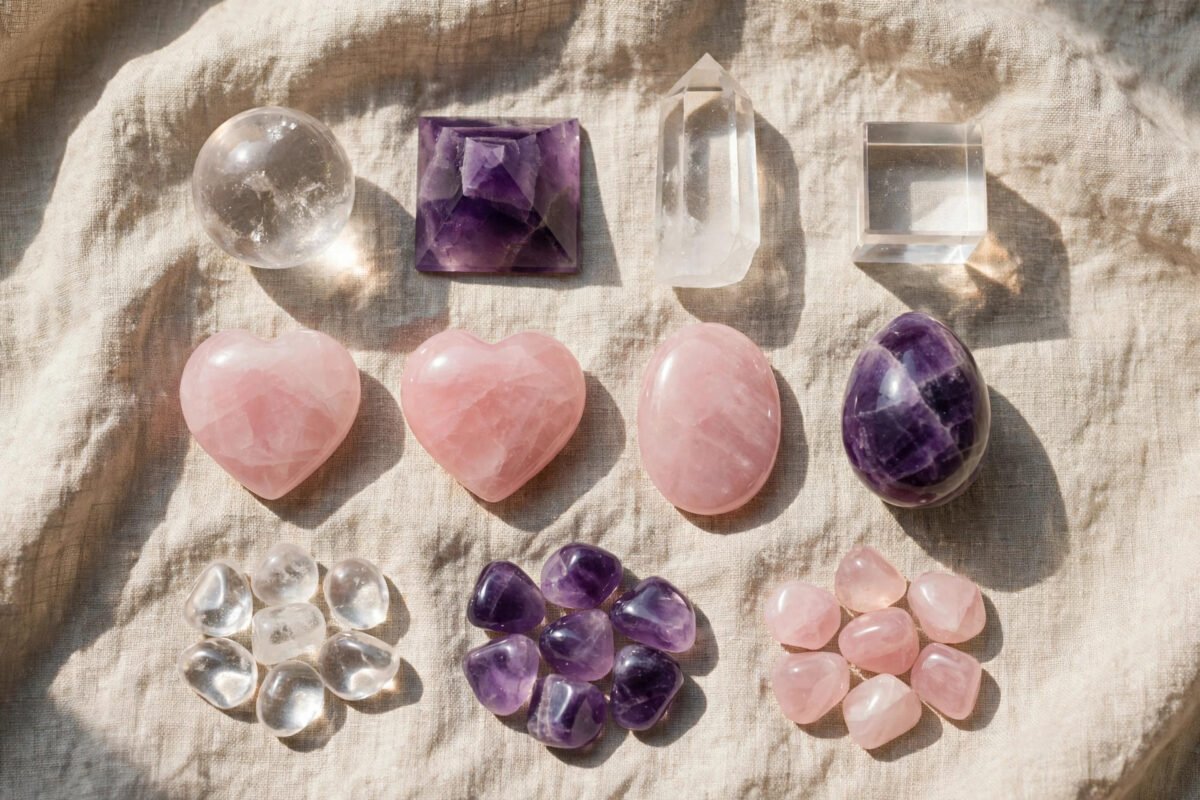
In crystal tradition, grounding stones — hematite, smoky quartz, obsidian — are the usual recommendations for anxious moments, associated with steadiness and calm. Amethyst is traditionally linked with quieting mental chatter. Choose the stone whose feel and meaning resonate; the practice matters more than the specific mineral.
When should I seek professional help for anxiety?
Consider reaching out to a mental health professional if anxiety is persistent, intensifying, disrupting sleep or daily functioning, or accompanied by panic attacks. Practices like this one can complement professional care, but they are not a substitute for it.



 English
 Vietnamese