Walk into any feng shui-inspired home and you will find two favorite good-luck tools: thriving green plants and carefully placed crystals. Both are believed to lift the energy of a room, both symbolize growth and abundance — but they work in different ways, need different care, and suit different corners of your life.
So which should you choose, lucky plants or crystals? The honest feng shui answer is usually “both, thoughtfully.” This guide compares their traditional roles so you can build a combination that fits your space, your light and your schedule.
What Lucky Plants Bring to a Space
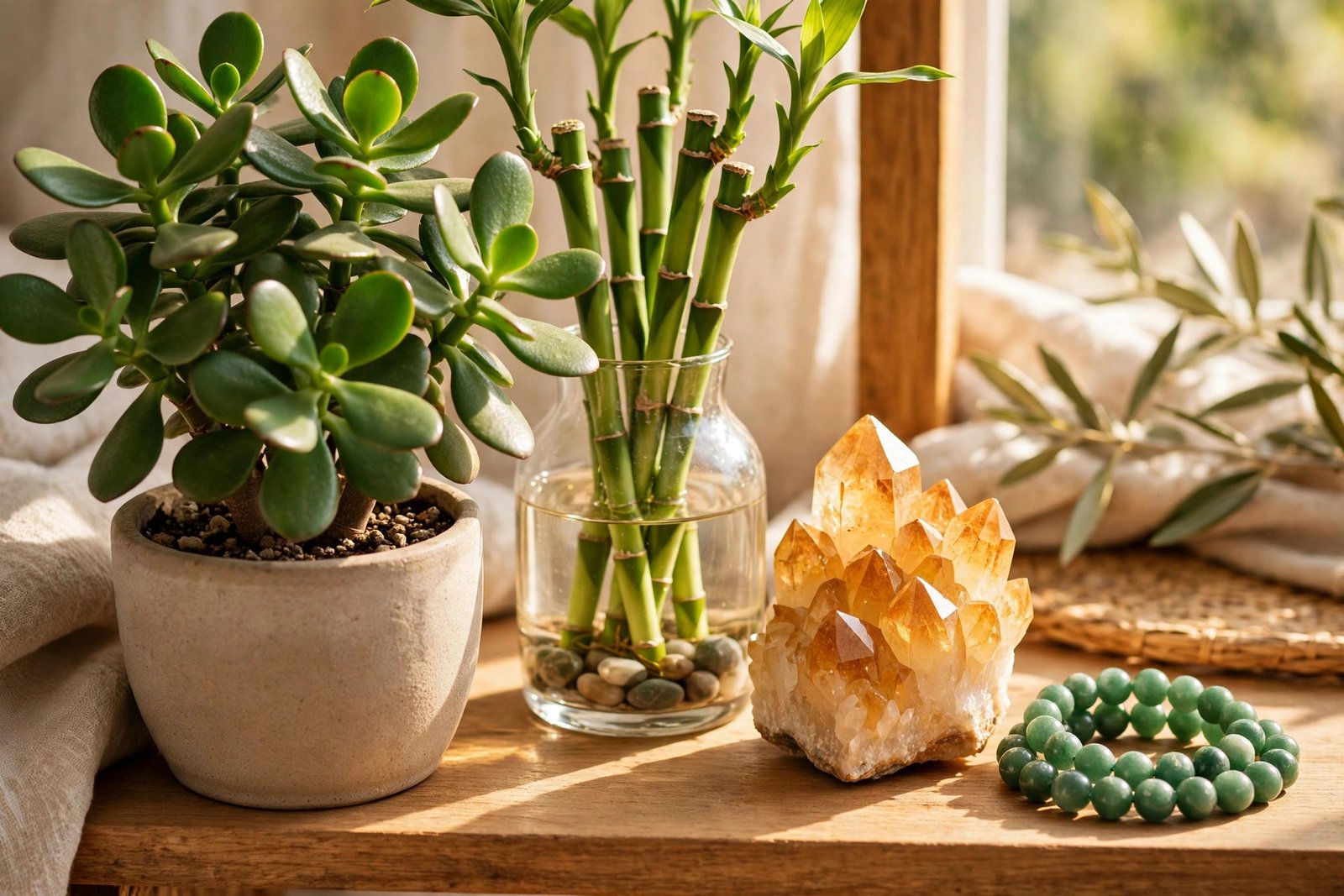
In feng shui tradition, living plants embody the wood element: growth, vitality and upward movement. The classics of the genre include the jade plant, with coin-shaped leaves long associated with prosperity; lucky bamboo, whose stalk counts carry traditional meanings (two for love, three for happiness, eight for wealth); the money tree (Pachira aquatica), braided and gifted for business luck; and the peace lily and pothos, forgiving plants believed to soften sharp corners and clean the feel of a room. Background on these houseplant traditions can be found in the Wikipedia overview of houseplants.
Plants are dynamic: they grow, respond to care, and visibly reward attention. That is also their demand — they need light, water and occasional rescue. Tradition is blunt about neglected plants: a dying plant in a wealth corner symbolizes the opposite of what you intended, so choose species your light can honestly support.
What Crystals Bring to a Space
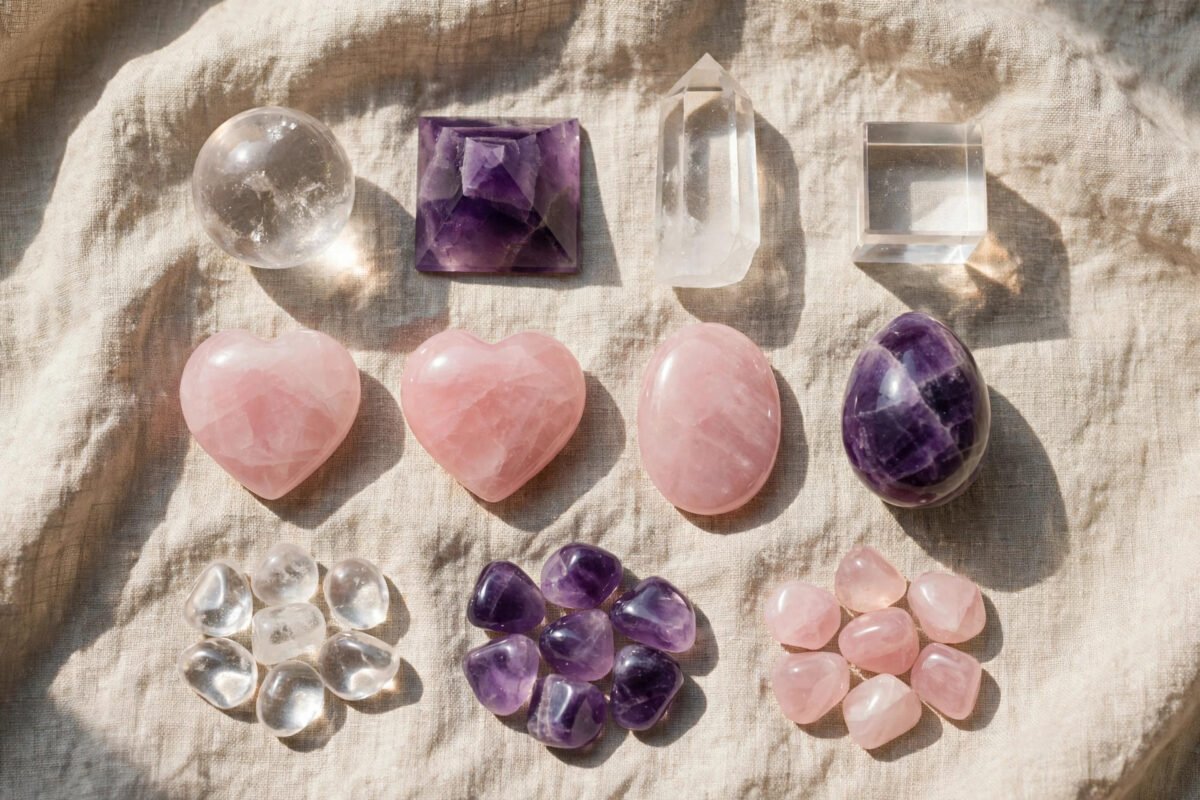
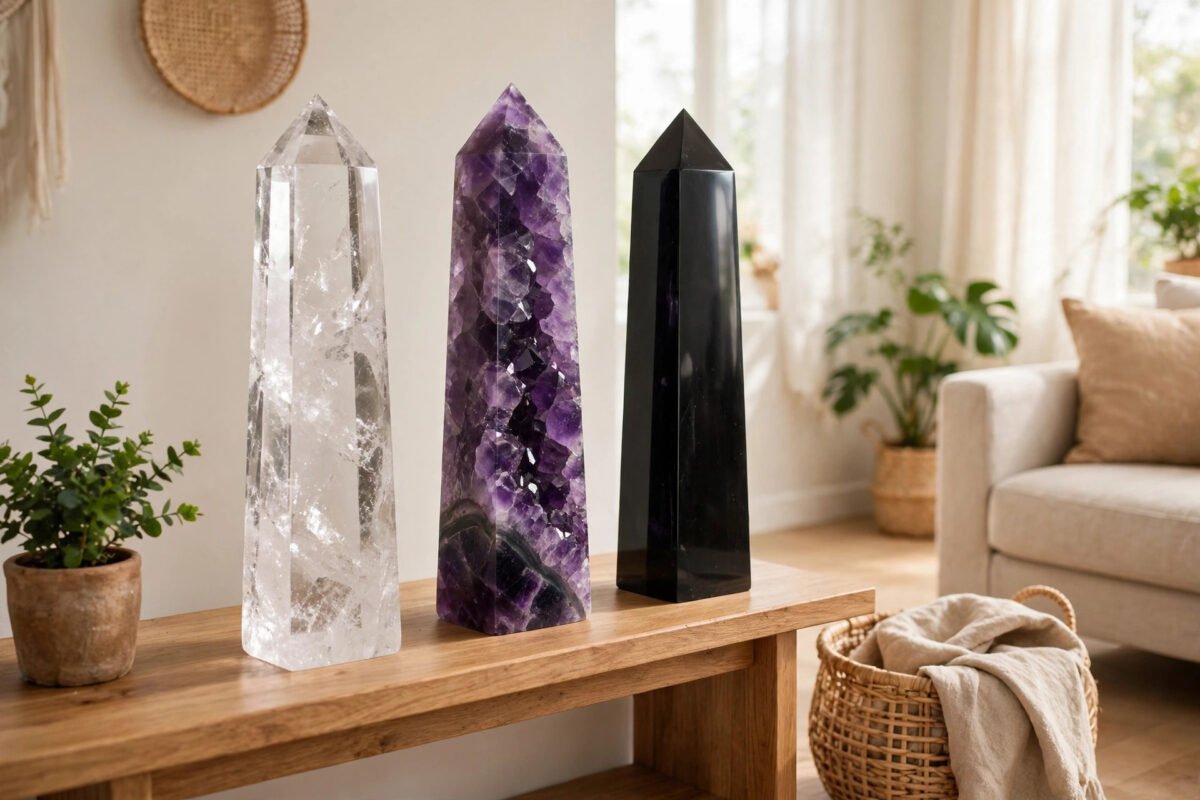
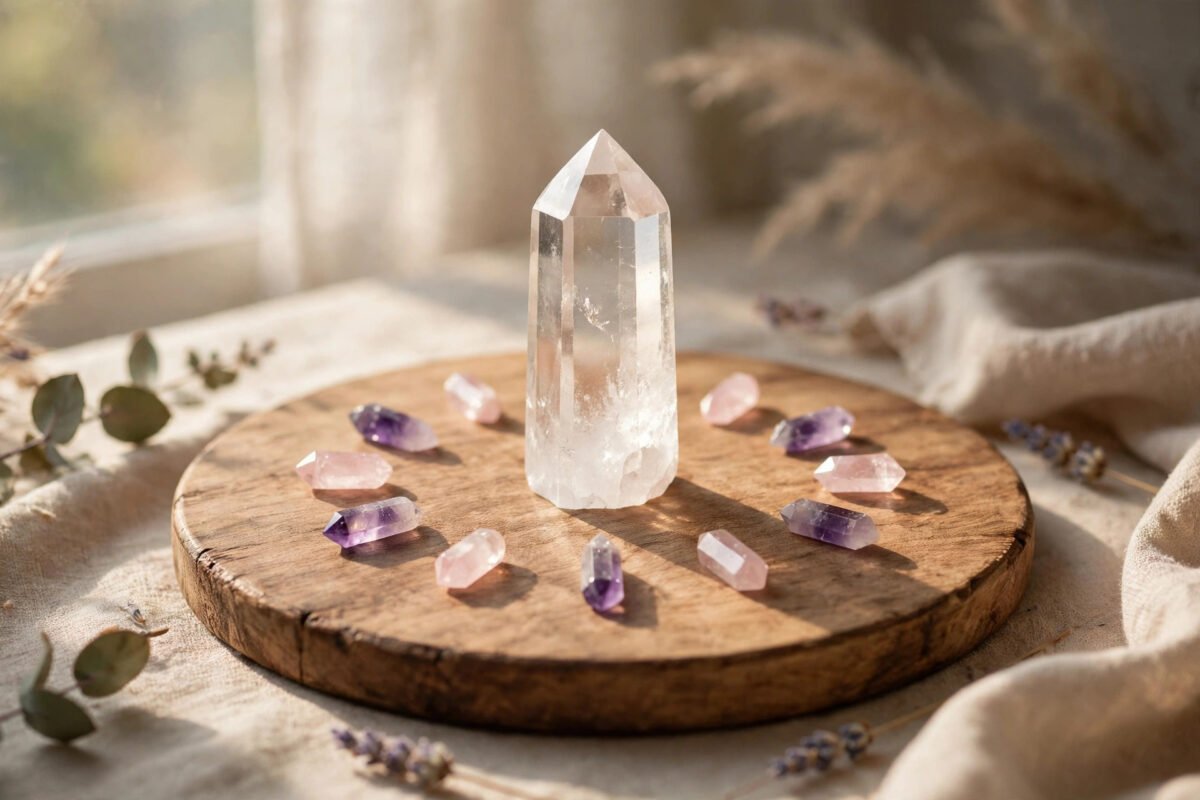
Crystals belong to the earth element in feng shui thinking: stable, grounding and enduring. Citrine is traditionally associated with abundance, green aventurine with opportunity, rose quartz with love, and black obsidian with protection. Our guide to green aventurine and its luck symbolism shows how one stone’s meaning shapes its placement.
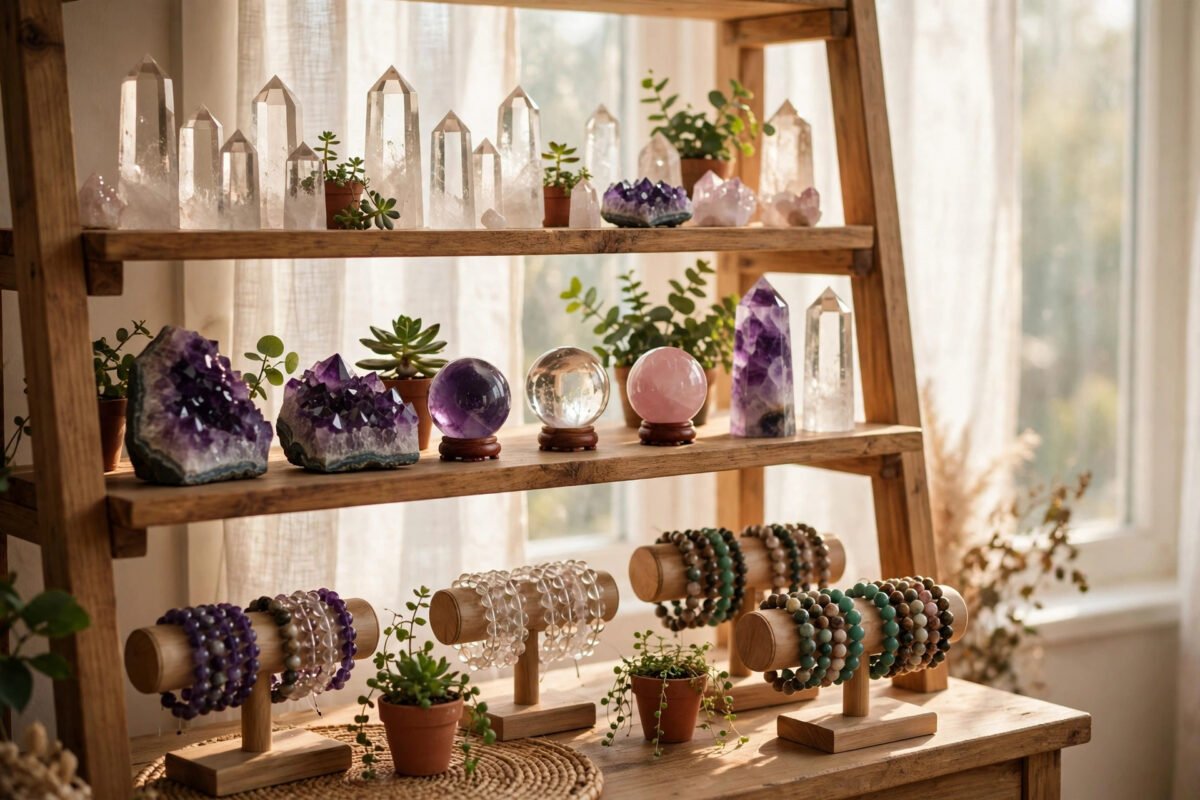
Unlike plants, crystals ask almost nothing: an occasional dusting and, in traditional practice, an energetic refresh. They also travel. A plant guards one room; an AVENSU green aventurine bracelet carries its symbolism into meetings, interviews and trips. Crystals suit dark corners, rental homes, offices with plant bans, and anyone whose schedule kills houseplants. They are symbolism you cannot forget to water.
Head to Head: Choosing for Each Corner
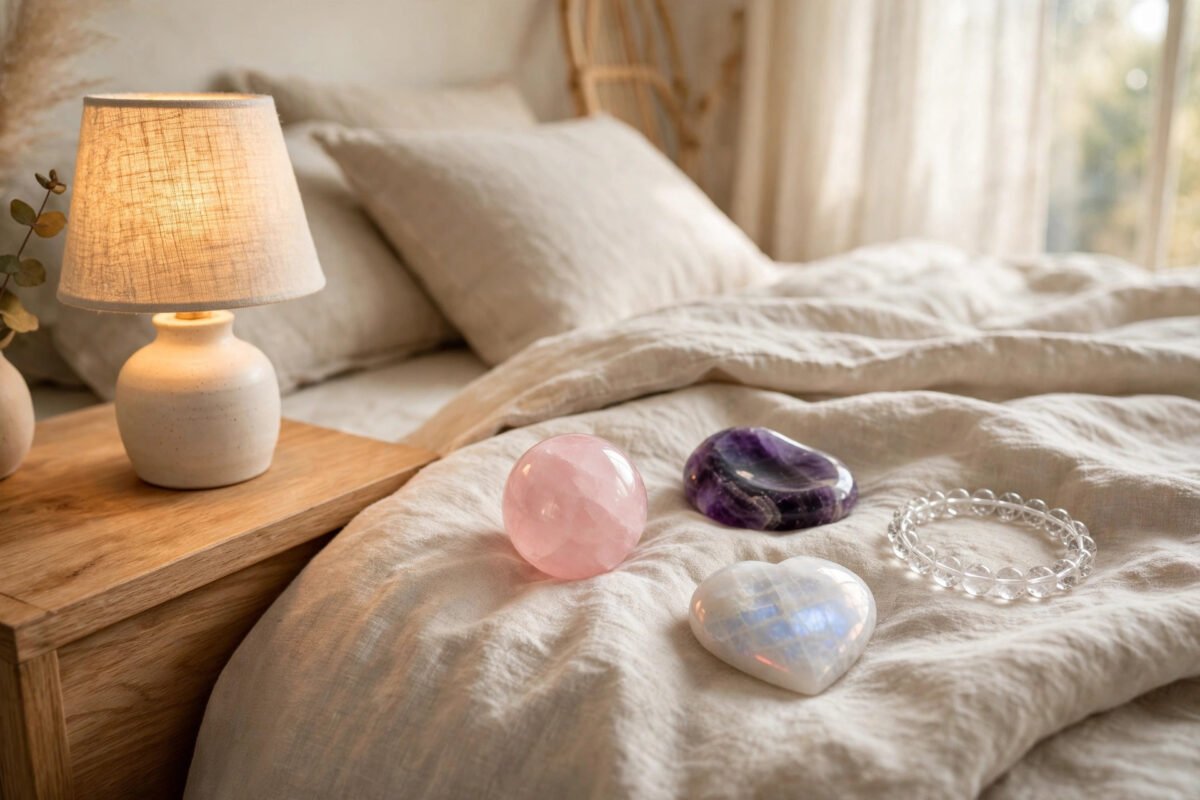
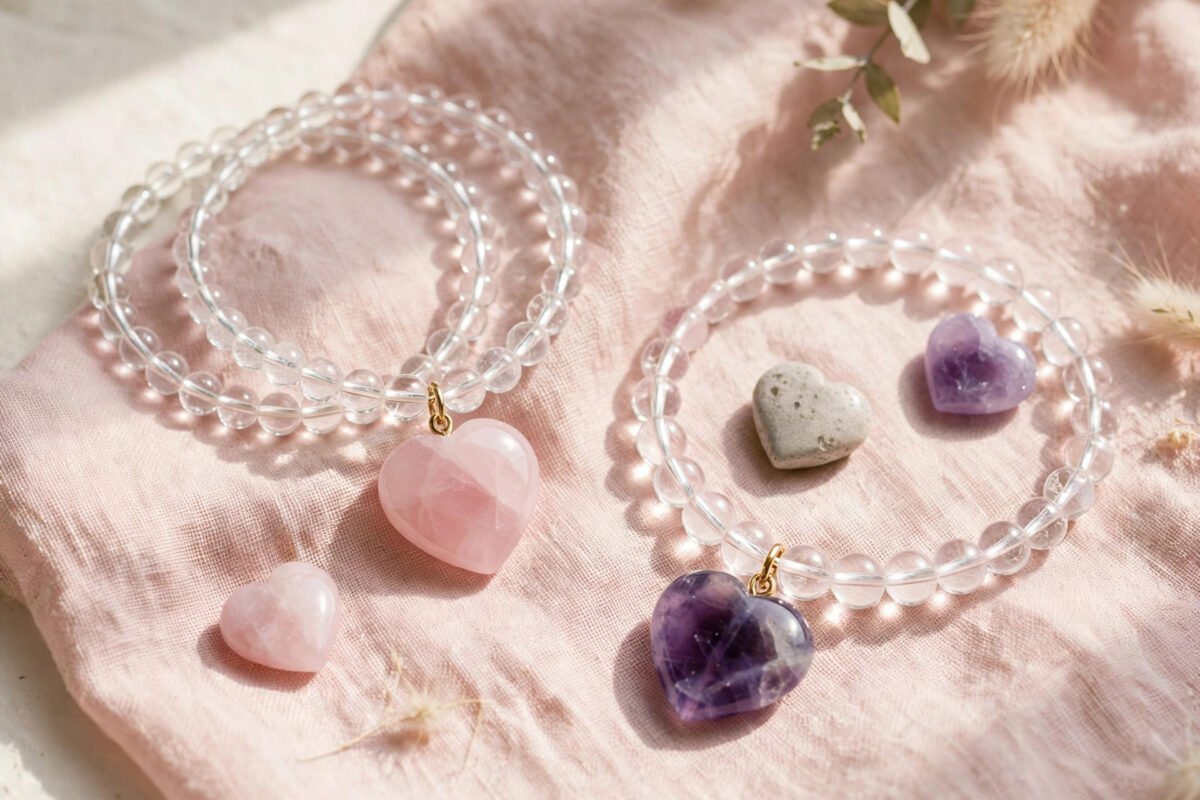
For a wealth corner, tradition happily combines both: a jade plant for living growth with a citrine cluster at its base for stable abundance — the arrangement we describe in our feng shui wealth corner guide. For an entryway, crystals often win: obsidian by the door offers traditional protection without blocking a walkway with pots. For a bedroom, a small plant can soften the space, but many practitioners prefer rose quartz pairs for love symbolism and keep plants minimal, since actively growing plants are considered quite yang for a rest room.
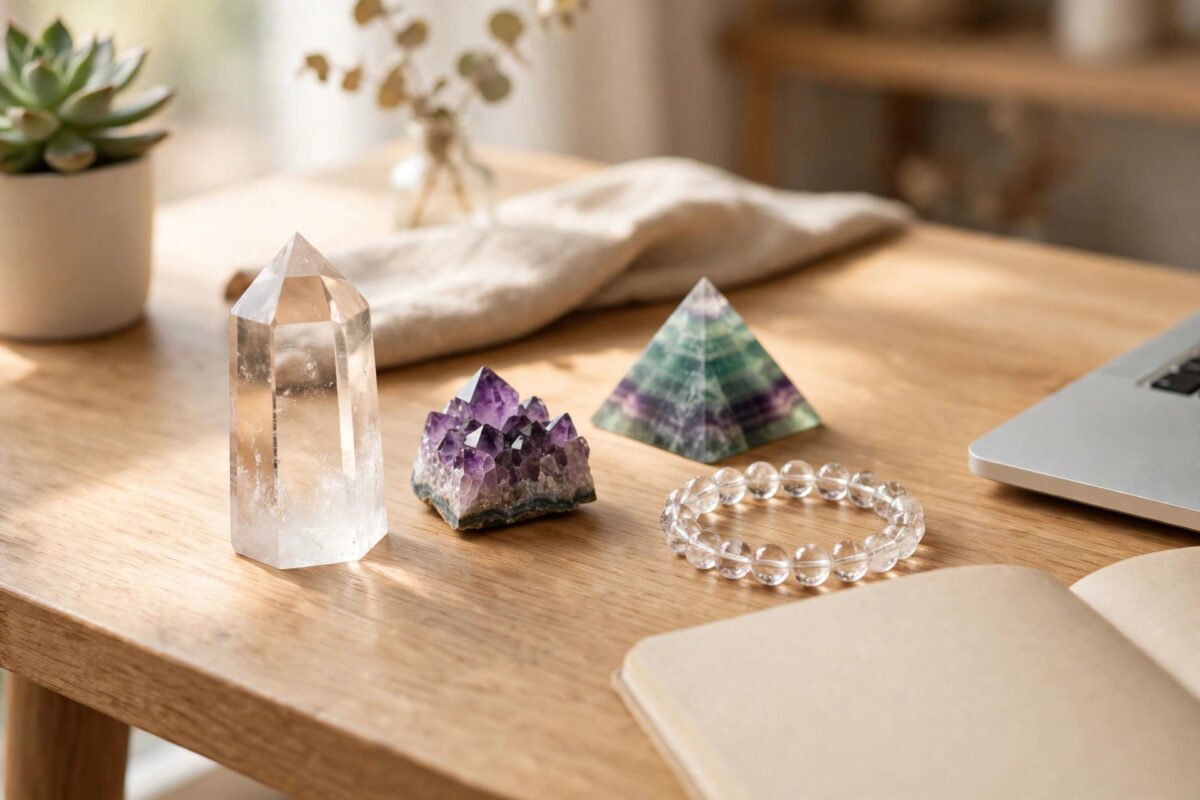
On a desk, a small succulent plus a tiger’s eye stone gives you growth and focus together — see our desk luck ritual with work crystals. Budget-wise, plants start cheaper but can need replacing; a quality crystal or bracelet is a one-time purchase that lasts for years. The wider tradition behind these choices is summarized in the Wikipedia feng shui overview.
Combining Both: A Simple Starter Plan
Start with one plant and one crystal per main room, placed with intention:
- Living room: money tree or jade plant in the wealth corner, citrine beside it.
- Entry: lucky bamboo in water (changed weekly) plus an obsidian dish inside the door.
- Bedroom: rose quartz pair on the nightstands; one small, calm plant if light allows.
- Yourself: an AVENSU crystal bracelet — the only “lucky object” that follows you from room to room.
As your confidence grows, add seasonal refreshes: repot and prune at spring, dust and reset crystals monthly, perhaps alongside a morning luck ritual with crystals. Browse the AVENSU shop for wearable pieces, and check our roundup of lucky crystals for money and wealth to match stones to your plant corners.
Plants or crystals is the wrong question, in the end. The right question is: what will you happily care for? Luck, in feng shui tradition, follows attention — and attention is exactly what both plants and crystals reward.
Frequently Asked Questions
Are plants or crystals stronger in feng shui?
Neither is considered universally stronger. Plants bring living growth energy (wood), while crystals bring stable, lasting symbolism (earth). Practitioners usually combine them so each covers the other’s weaknesses.
What is the luckiest feng shui plant?
The jade plant is the classic wealth symbol thanks to its coin-like leaves, with lucky bamboo and the money tree close behind. The luckiest plant for you is the one that thrives in your light.
Can I use crystals if I keep killing plants?
Absolutely — that is one of their main advantages. Crystals need no water or light, suit dark corners and travel with you as jewelry. Choose citrine or aventurine for the same abundance symbolism a jade plant offers.
Where should I avoid placing lucky plants?
Tradition advises against large, spiky or dying plants in the bedroom and wealth corner, and against blocking the front door’s swing with pots. Keep pathways clear and plants healthy, or choose crystals instead.



 English
 Vietnamese