Most chakra guides treat each energy centre on its own, yet everyday feeling rarely works that way. Joy that has nowhere kind to land can feel restless, and compassion without pleasure can feel heavy and draining. The sacral-heart bridge is the connection between the sacral chakra, traditionally linked with creativity, pleasure and emotion, and the heart chakra, associated with love, empathy and connection. When writers talk about this bridge, they mean the simple, human shift from I feel to I care — and back again.
This article explores that link in plain language: what each centre represents in chakra tradition, which stones are traditionally paired across the bridge, and how a short daily ritual can help you notice both joy and compassion without forcing either one.
Understanding the Two Centres
The sacral chakra, called Svadhisthana in Sanskrit, sits below the navel and is traditionally associated with the colour orange, the element of water, and themes of flow, desire and creative play. You can explore its foundations in our sacral chakra crystals guide and in the overview of chakra colours and crystals. Stones most often linked to it include carnelian, orange calcite and sunstone — warm stones chosen for their bright colour as much as any tradition behind them.
The heart chakra, Anahata, sits at the centre of the chest and is associated with green and soft pink, the element of air, and themes of giving, receiving and forgiveness. Our heart chakra stones guide and the deep dive on heart chakra crystals cover rose quartz, green aventurine and rhodonite in detail. In tradition, the heart is described as the meeting point between the lower, physical chakras and the upper, reflective ones — which is exactly why the bridge idea resonates with so many readers.
Why the Bridge Matters in Daily Life
Consider a familiar pattern. You have a creative idea or a moment of genuine fun — the sacral side — but you immediately judge yourself for enjoying it, or you keep it hidden because sharing feels vulnerable. Or the reverse: you spend the whole day caring for others, listening and helping — the heart side — yet end the evening feeling flat because nothing in the day was simply for pleasure. Neither centre is doing anything wrong. The bridge is just underused.
In chakra tradition, working with both centres together is believed to soften that split. A practical pairing exercise is described in our guide to the sacral and solar plexus crystal pair, and the same logic applies here: hold one intention for joy and one for kindness at the same time. For example, “I will make something just because it delights me” alongside “I will share it without needing praise.” AVENSU readers often tell us this two-part intention feels more honest than a single affirmation, because it names both needs instead of ranking them.
Crystal Pairings for Joy and Compassion
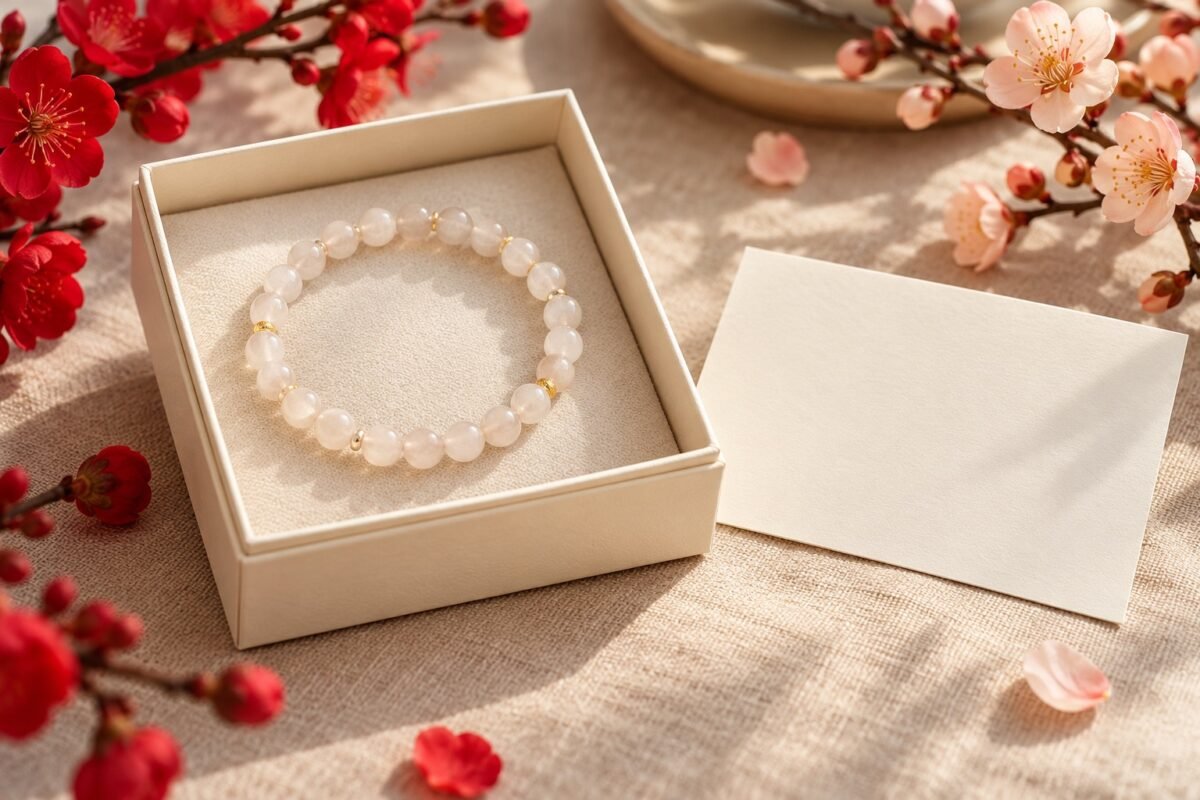
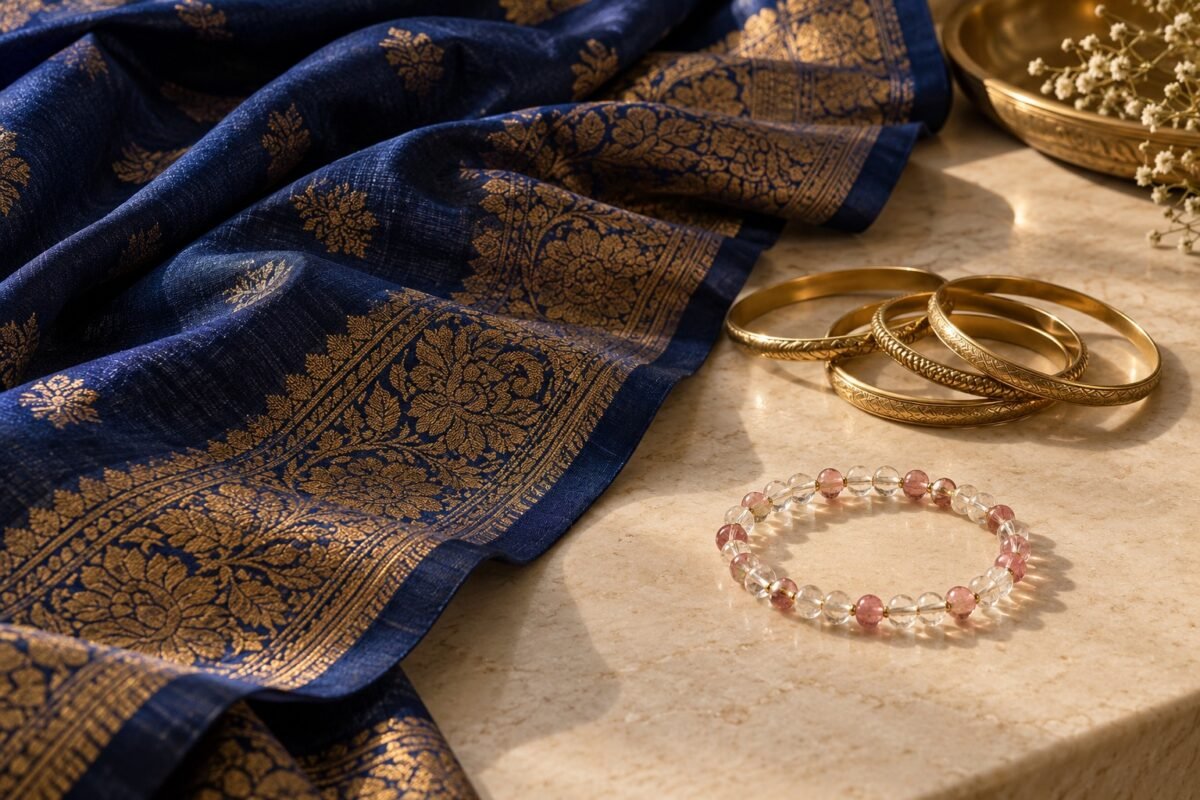
The classic bridge pairing is carnelian with rose quartz. Carnelian is traditionally associated with warmth, motivation and creative confidence, while rose quartz is widely described as the stone of gentle love and emotional softness. Worn together — one bracelet on each wrist, or alternating days — they act as a visual reminder of the two intentions.
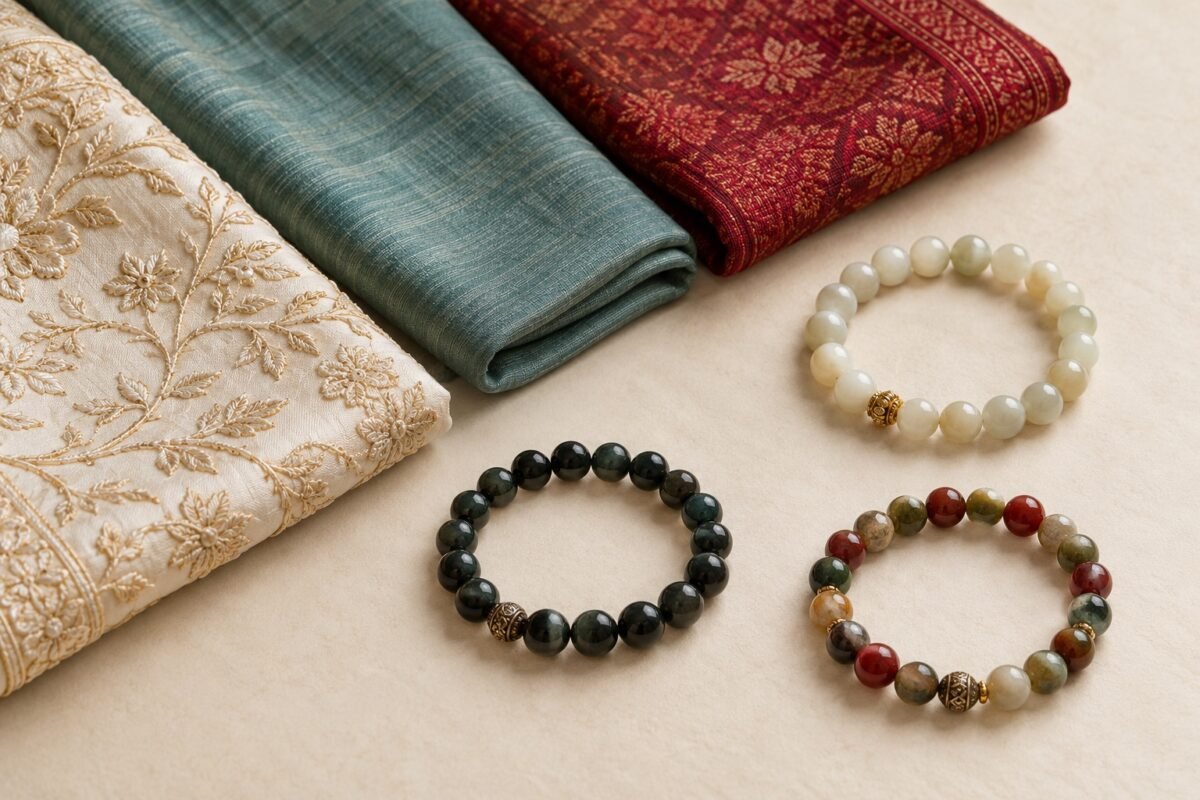
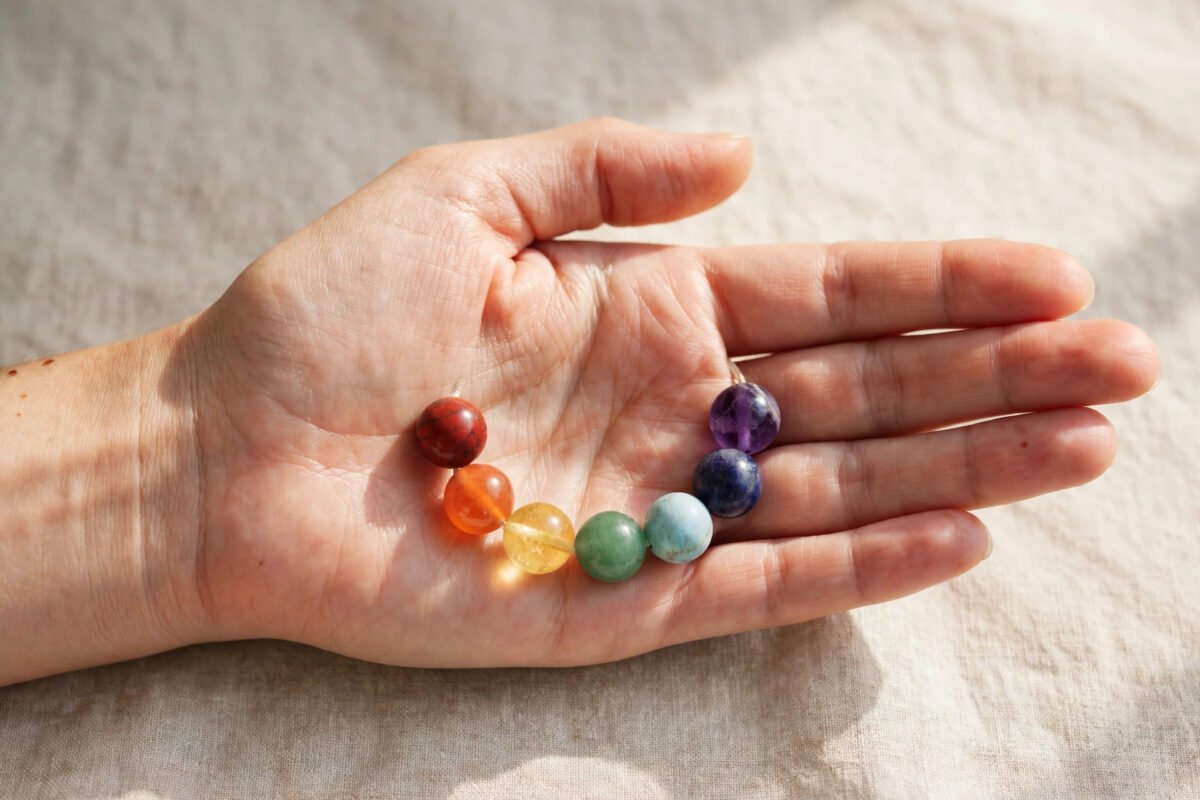
A second pairing is sunstone with green aventurine. Sunstone is believed to carry a bright, generous energy in tradition, and green aventurine is often linked with calm optimism and openness. If you prefer a single piece, a mixed-bead bracelet that places orange and green stones side by side does the same symbolic work. Browse the AVENSU shop for mixed chakra pieces, or start with the rose quartz love bracelet and add a carnelian piece later.
For background on how chakra systems developed historically, the chakra overview on Wikipedia is a balanced starting point, and mineral details for each stone are catalogued at Mindat.
A Simple Bridge Ritual in Five Minutes
Sit comfortably and place one stone, or one hand, over your lower belly and the other over your chest. Breathe slowly for a minute without trying to change anything. Then name, silently, one small pleasure you will allow yourself today and one small kindness you will offer someone else. That is the whole practice.
If you enjoy structured reflection, pair the ritual with the affirmations in chakra affirmations and crystals or the short morning practice in our morning crystal ritual for mindfulness. Keep it brief. A bridge you cross daily in five minutes does more than an elaborate ceremony you perform once and abandon. End by cleansing your stones occasionally using a gentle method such as sound cleansing, so the ritual stays fresh.
Frequently Asked Questions
Which crystals best represent the sacral-heart bridge?
Carnelian and rose quartz are the most popular pairing, because their colours and traditional associations clearly represent joy and compassion. Sunstone with green aventurine is a softer alternative. There is no single correct pair — choose stones whose colours and meanings you personally remember.
Should I wear both bracelets on the same wrist?
You can wear them together or one on each wrist; tradition does not require a specific side. Many people stack them for convenience, while others prefer one per wrist as a physical reminder of balance. Comfort and daily practicality matter more than rules.
How often should I do the bridge ritual?
A few minutes daily, or even three times a week, is plenty. The value lies in repetition and honest reflection, not duration. If a day feels rushed, simply holding both intentions in mind while putting on your bracelets counts as the practice.
Can beginners start with two chakras at once?
Yes. Beginners often find paired work easier than single-chakra focus because it mirrors real emotional life. If you feel unsure where to begin overall, our guide on which chakra to work on first can help you place this bridge work in a wider routine.








 English
 Vietnamese