When someone you care about is recovering — from surgery, illness, injury, or simply a draining stretch of life — finding the right gift can feel delicate. You want to send comfort and encouragement without being intrusive, cheerful without being dismissive of what they are going through. A well-chosen get well gift threads that needle: it says I am thinking of you, take all the time you need, and brighter days are ahead.
For the long tradition behind rose quartz itself, the Gemological Institute of America (GIA) rose quartz guide is a helpful reference. This guide focuses on comfort, companionship, and gentle good wishes. Nothing here is a treatment or a medical claim, and no crystal, charm, or candle replaces professional care. What a gift can honestly offer is warmth, a sense of being remembered, and small moments of ease during a slow few weeks.
Comforting Crystals as Symbols of Care
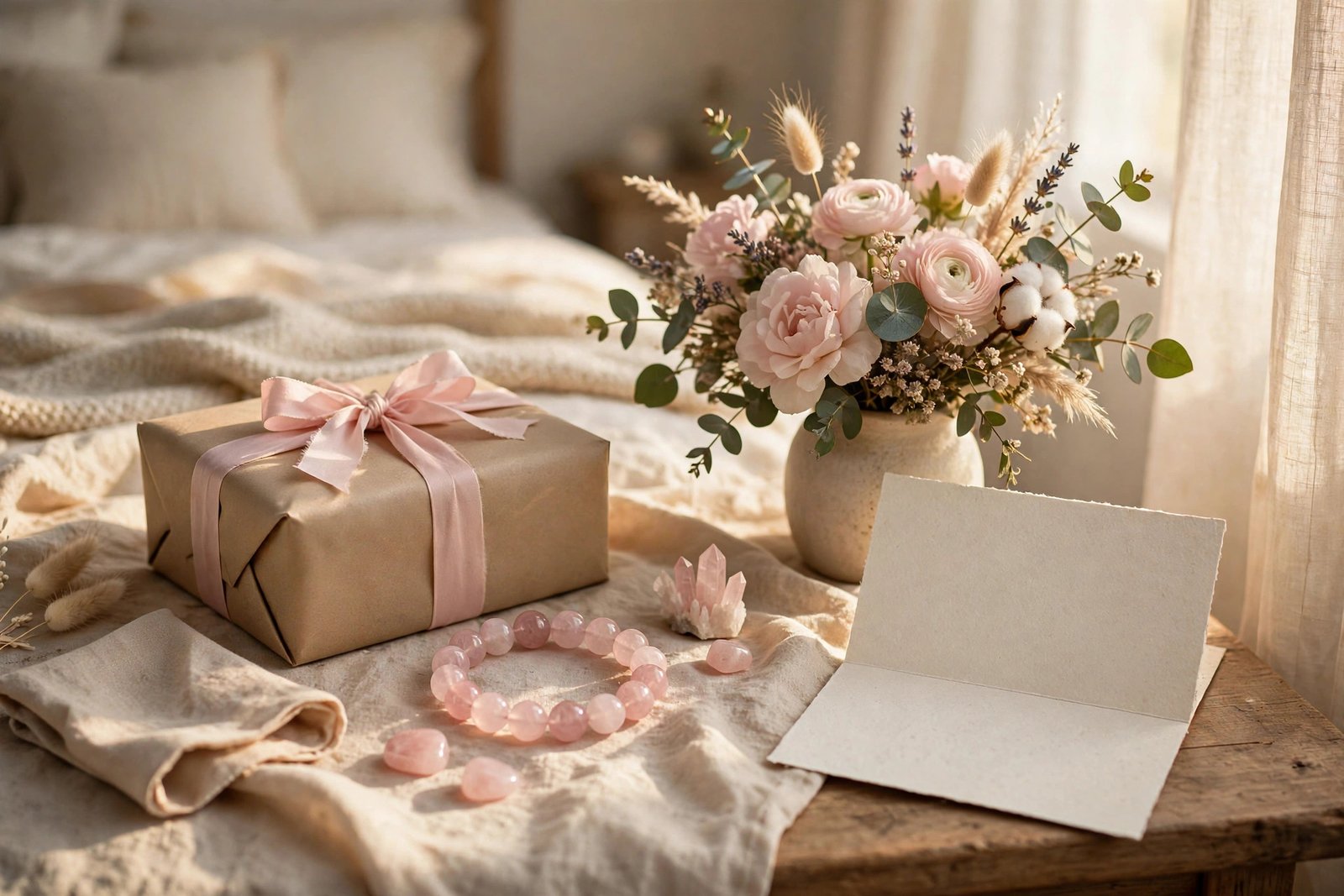
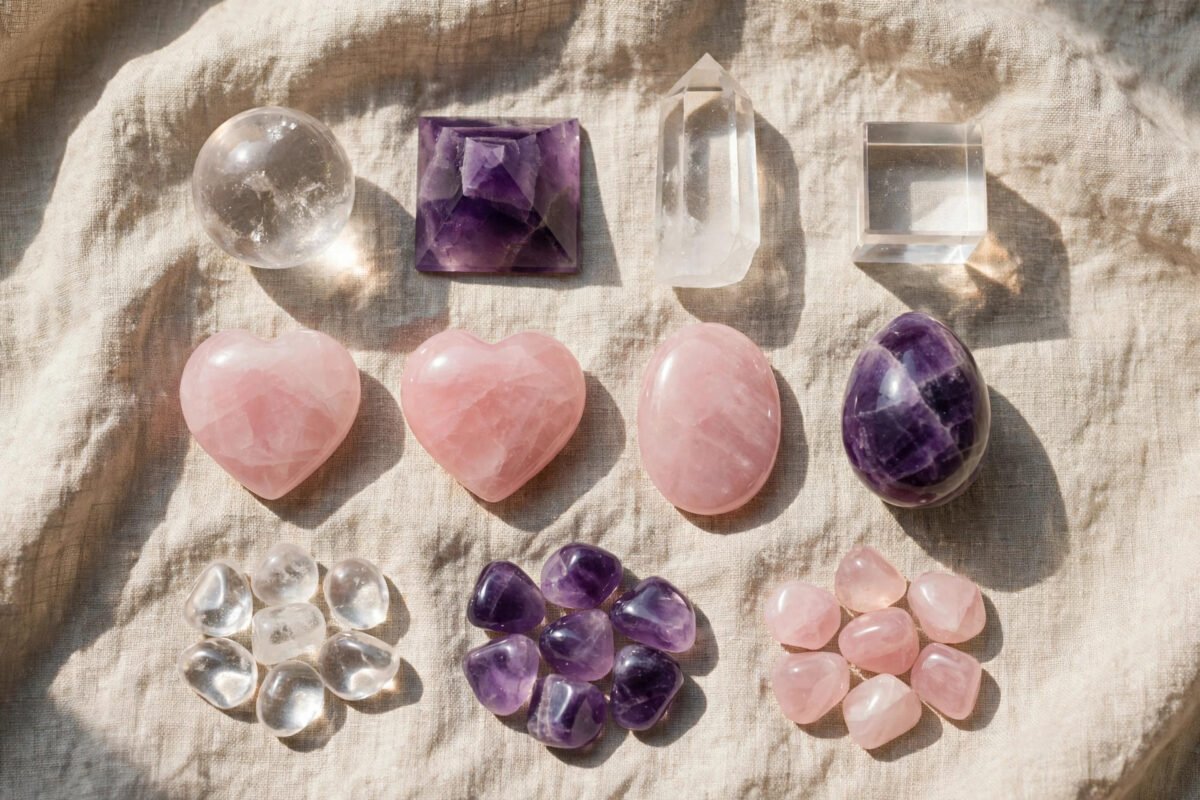
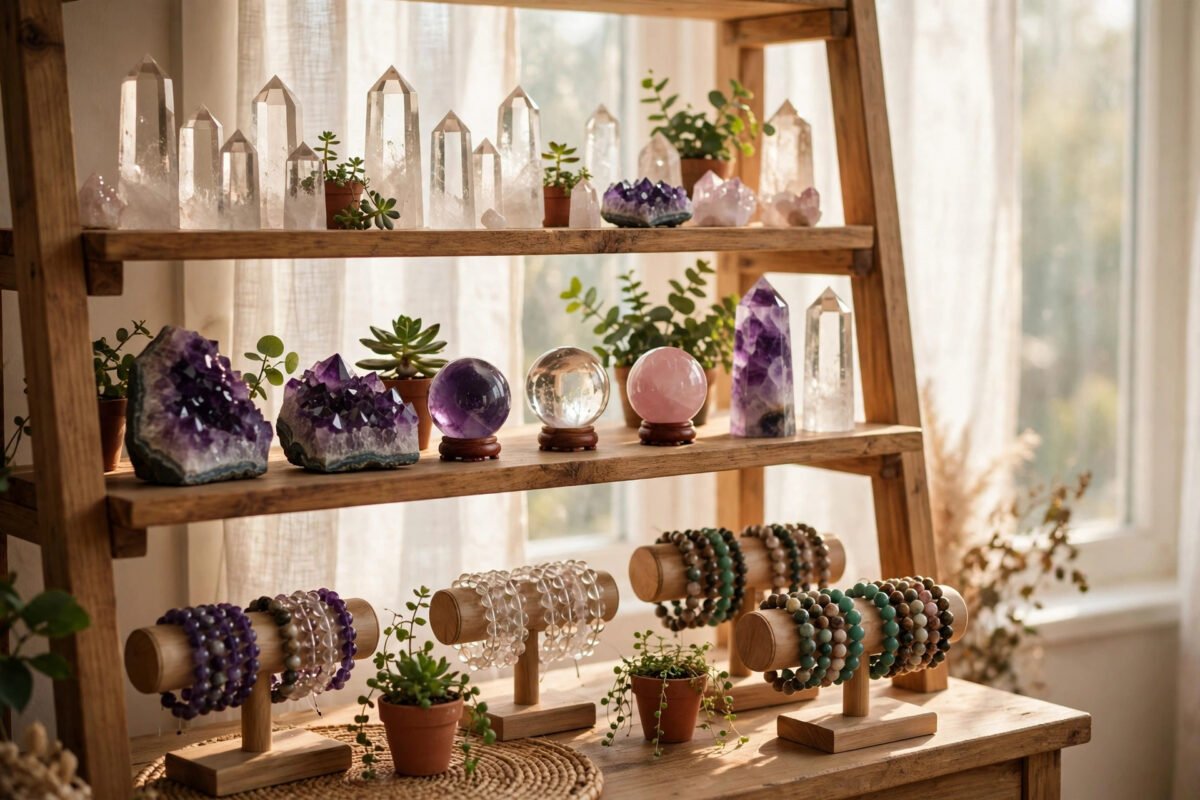
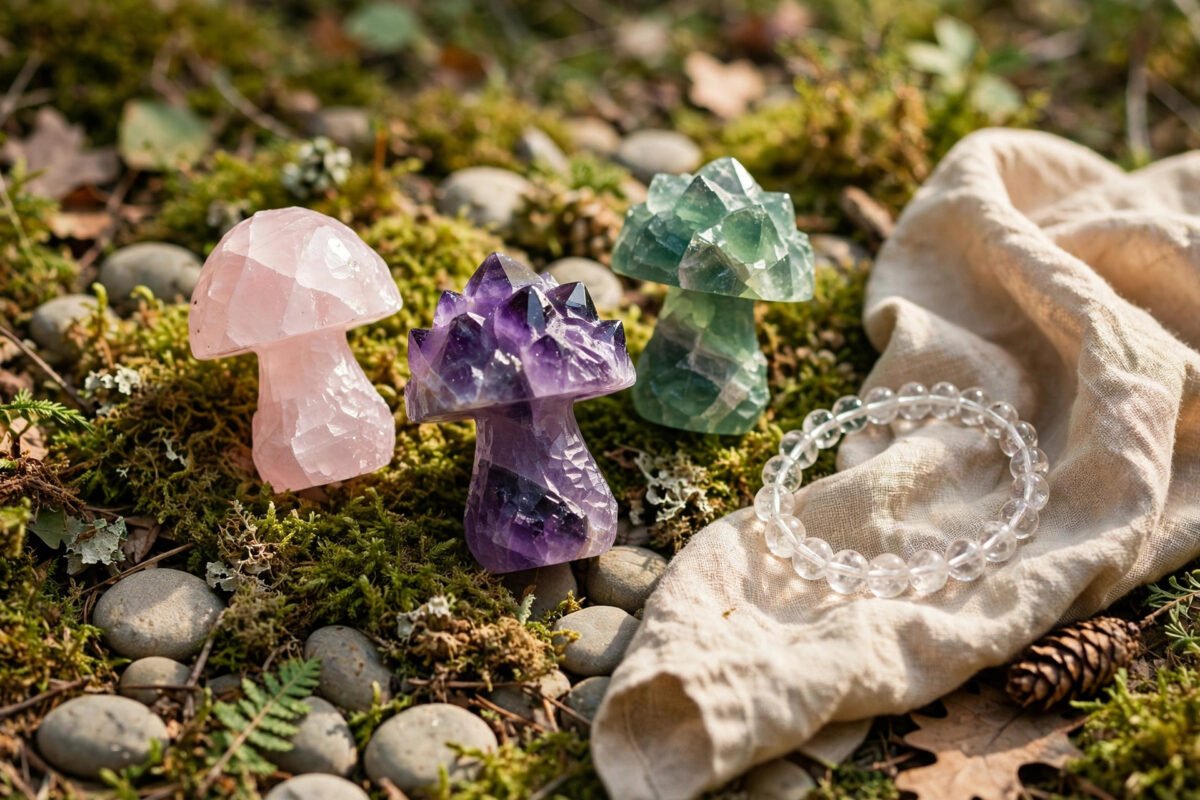
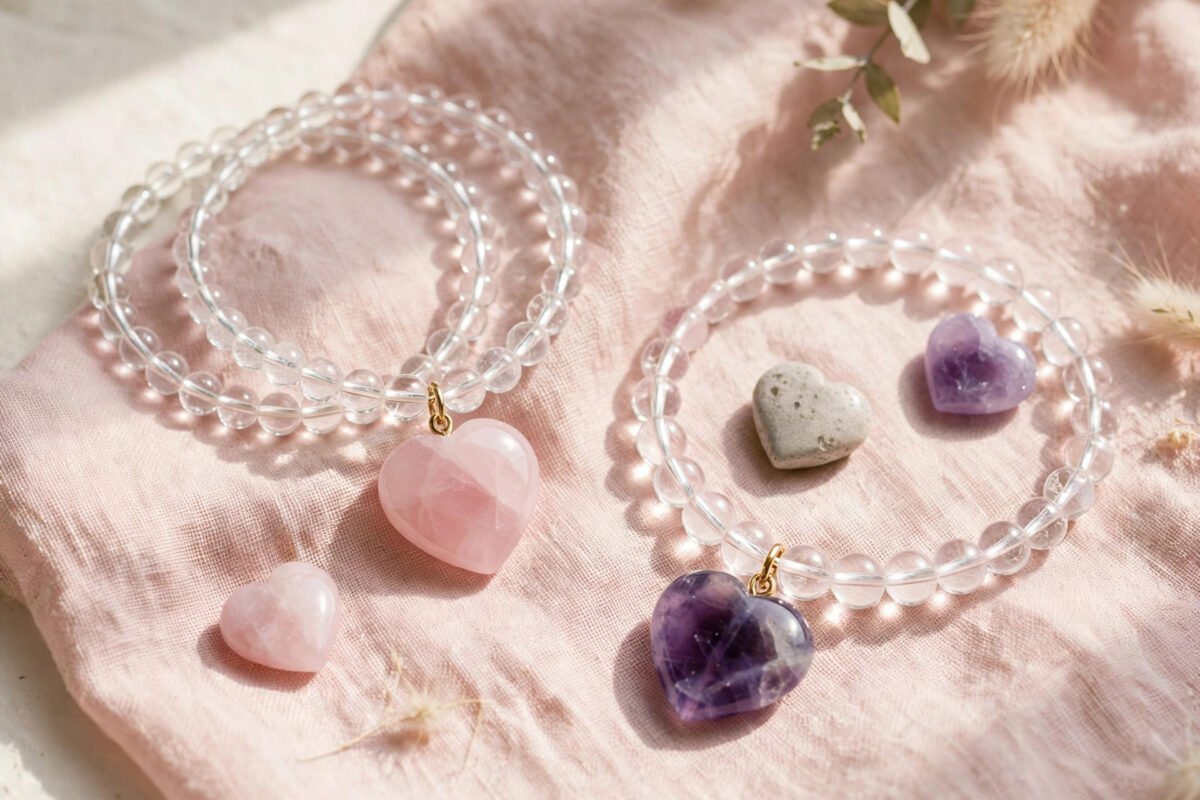
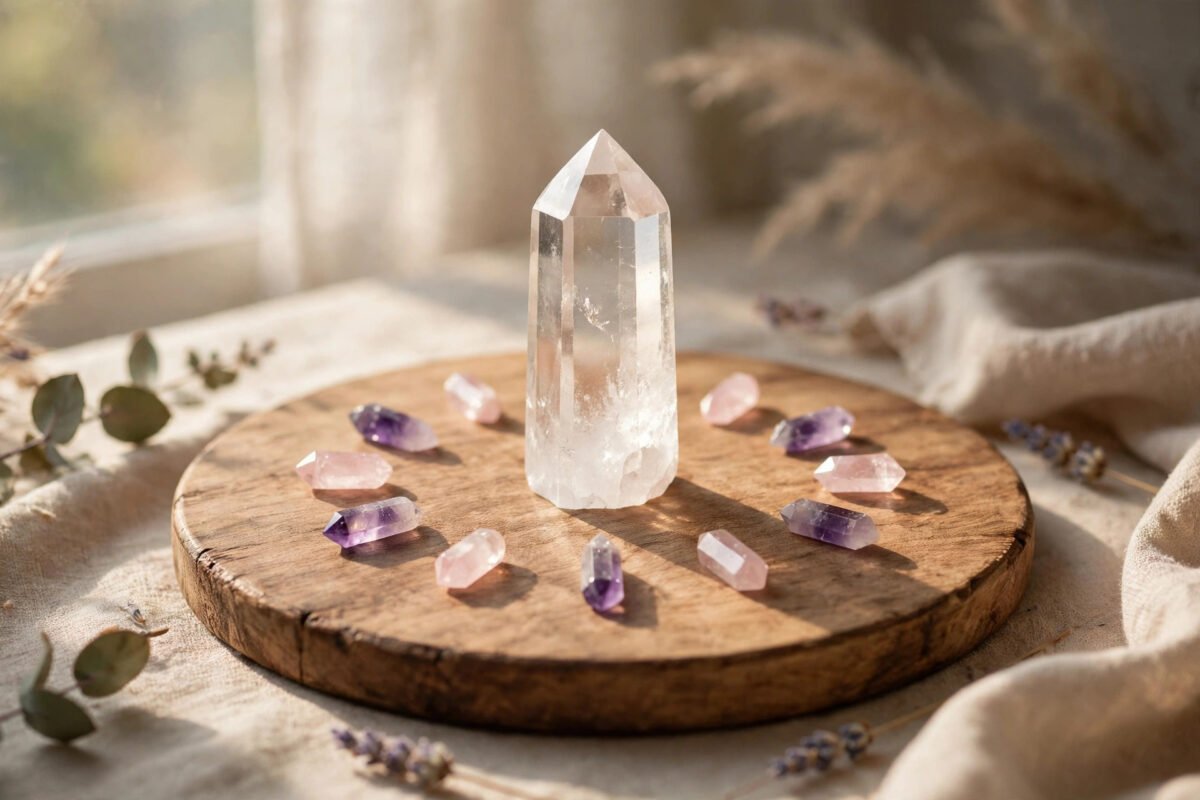
Crystals are often given during recovery because they are beautiful, lasting longer than flowers, and easy to keep on a bedside table or wear when energy returns. In crystal tradition, rose quartz is associated with love, gentleness, and emotional comfort, which is why it is the most common choice for get well giving. An AVENSU rose quartz bracelet sends that message in a wearable form — something soft in color and intention that the recipient can put on when they feel ready. Our guide to rose quartz meaning shares the tradition behind the stone.
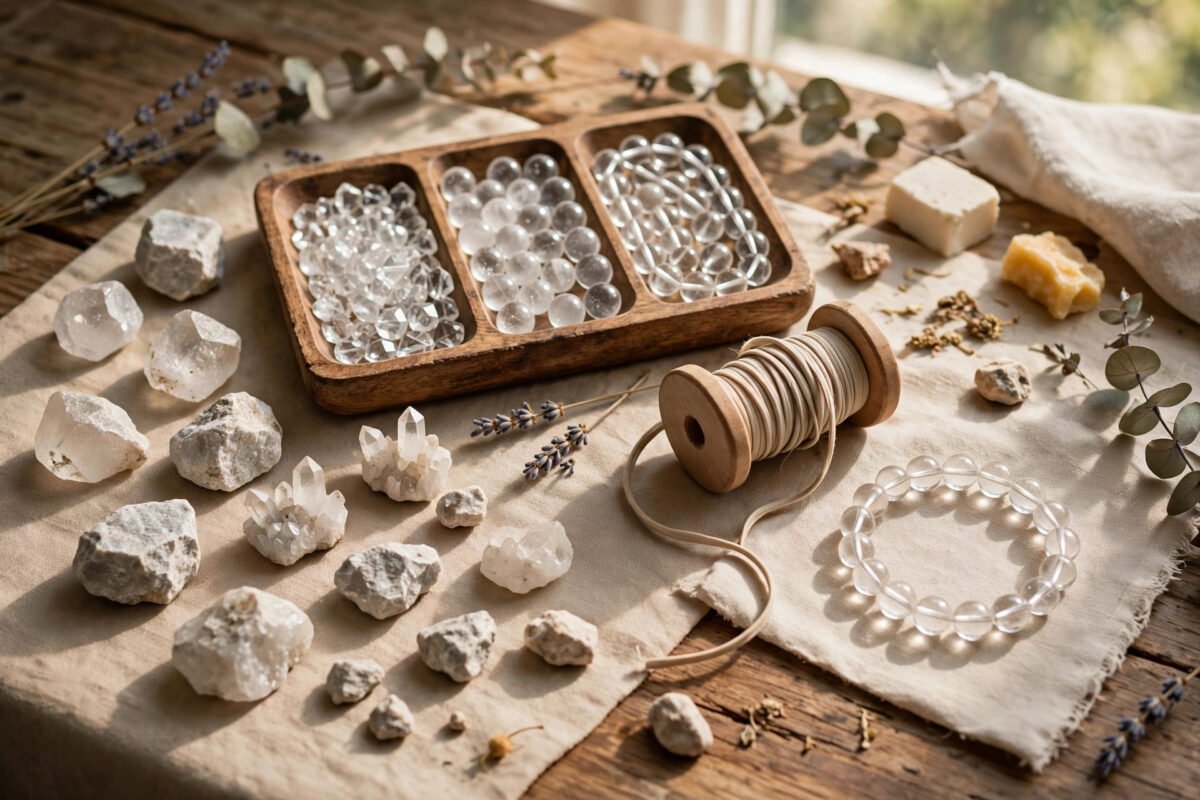
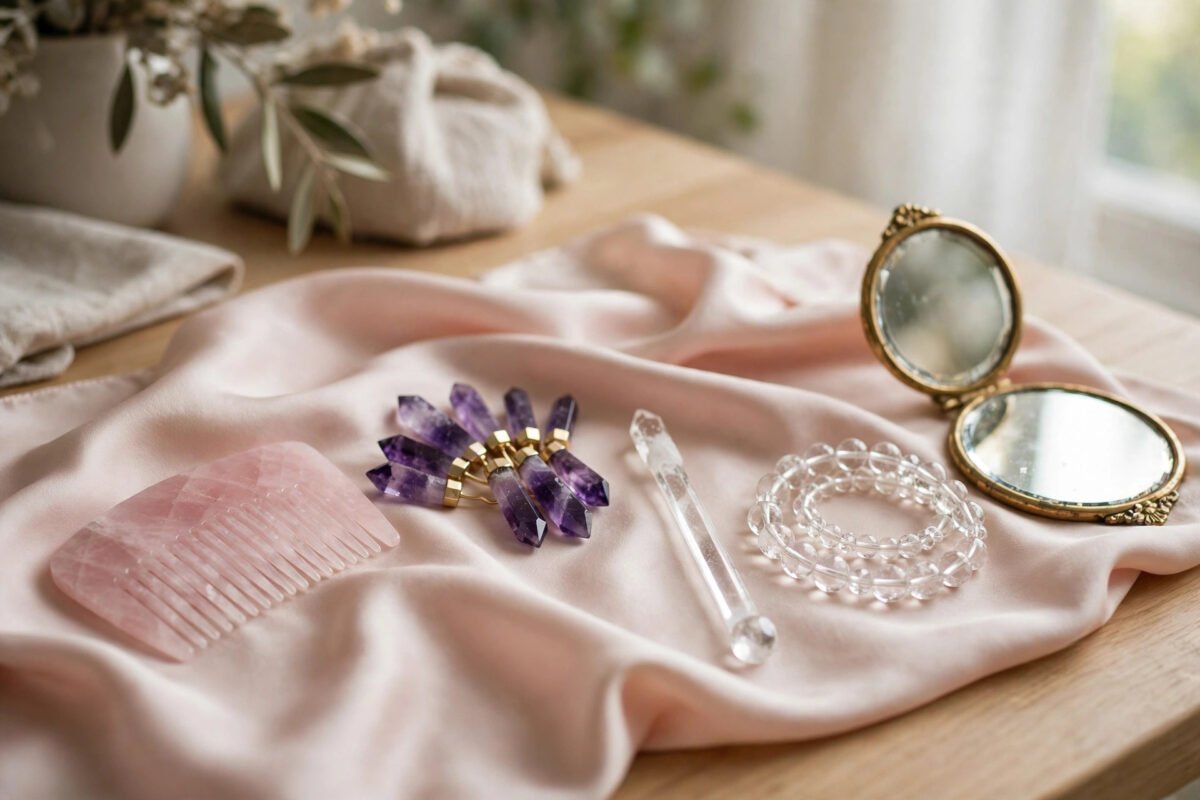
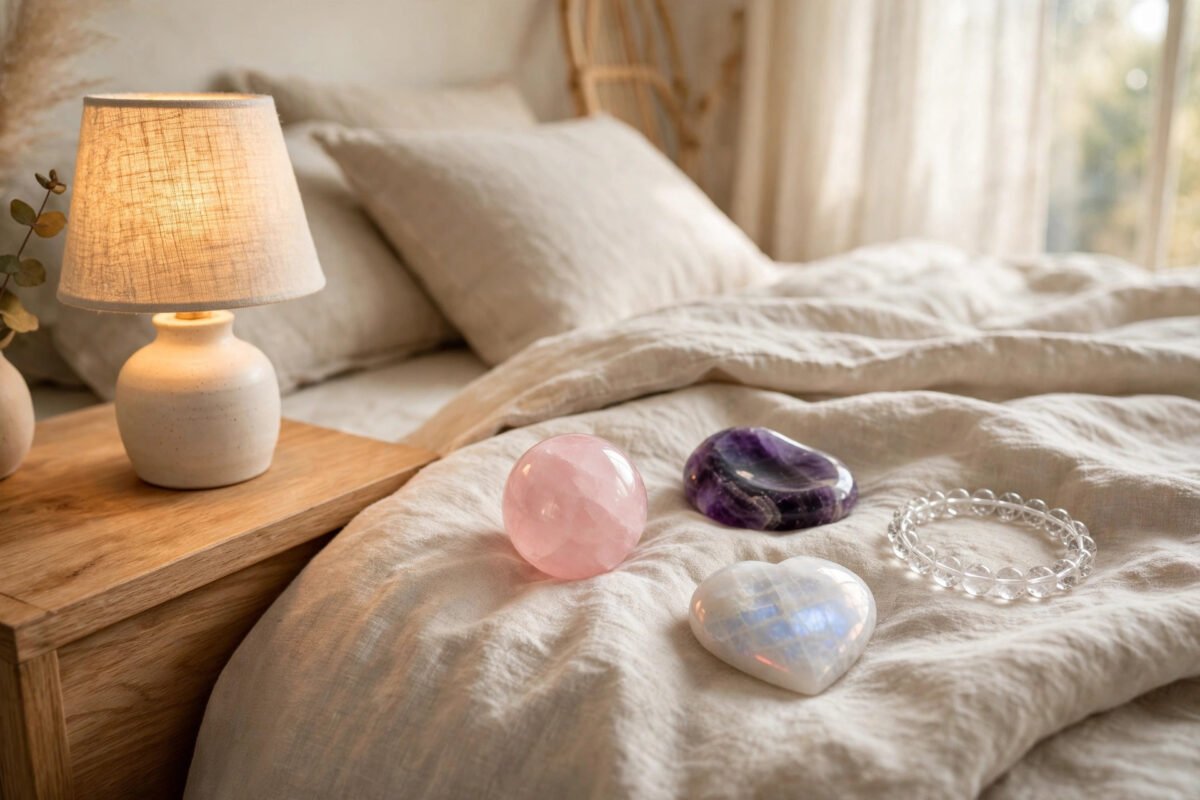
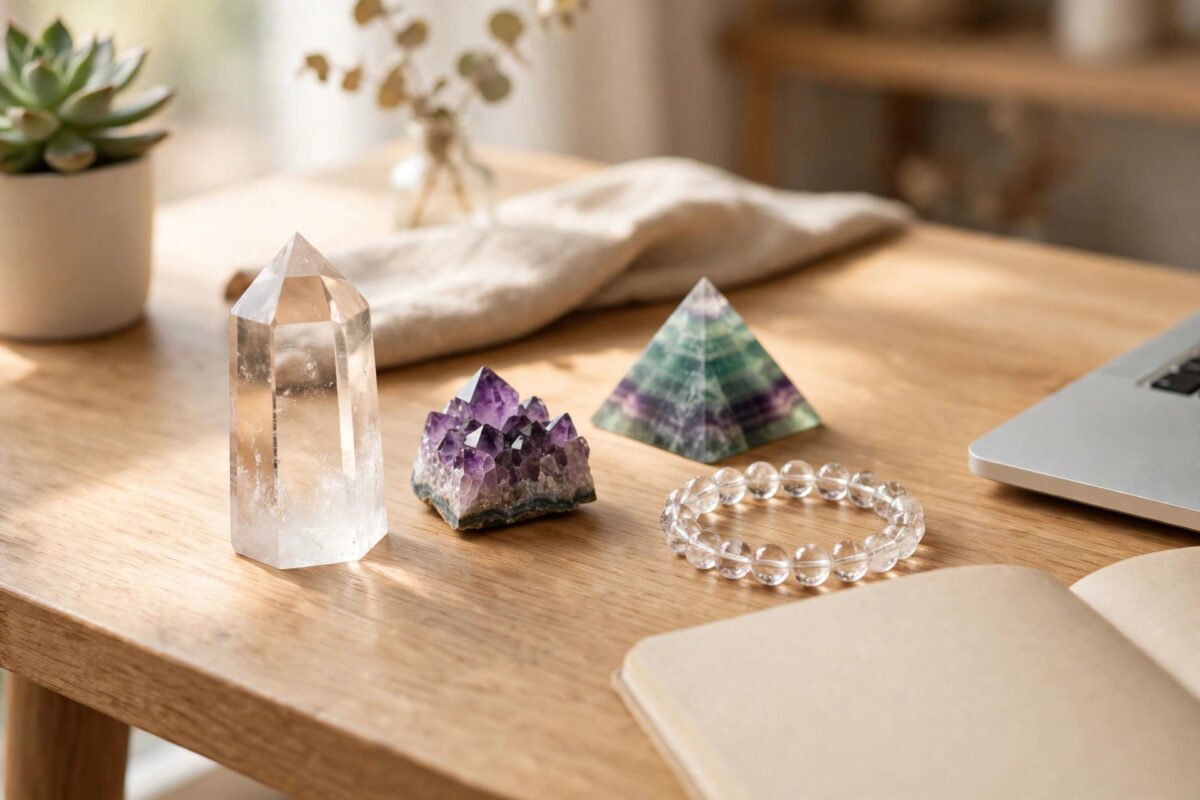
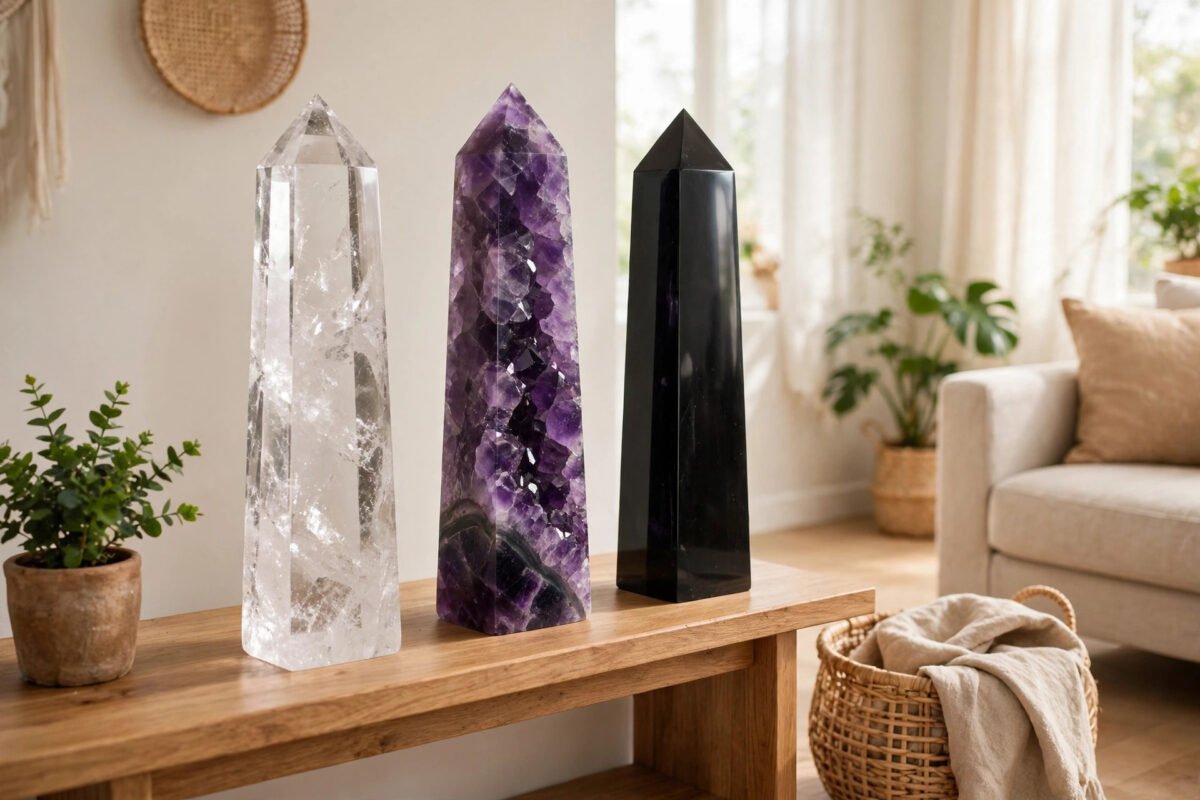
Amethyst is traditionally associated with calm and restful sleep, and clear quartz with clarity and light — both thoughtful bedside stones, explained in our guides to amethyst and lucky crystals for good health traditions, which keeps health topics firmly in the realm of belief and well-wishing. A small tumbled stone set with a handwritten card costs little and sits happily among the cards and flowers. Browse gentle styles in the AVENSU shop if you would like a ready-to-give option.
Keep your card wording in the language of wishes: wishing you rest, sending you strength, thinking of you. Avoid promising outcomes or suggesting the stone itself will heal — the kindness is the gift, and honest framing protects that.
Cozy, Practical Gifts for Recovery Days
Recovery is mostly rest, and gifts that make rest easier are almost always welcome. Consider a soft blanket or warm socks, a good water bottle for bedside hydration, lip balm and gentle hand cream for hospital dryness, or an extra-long phone charging cable — a small item patients consistently call surprisingly useful. For home recovery, prepared meals, a grocery delivery credit, or an offer to handle errands can help more than any object.
Entertainment matters during long, quiet days. A light novel, a puzzle book, a streaming credit, or a curated playlist gives the mind somewhere pleasant to go. Audiobooks are especially thoughtful for someone who finds reading tiring or who needs to rest their eyes. Pair entertainment with a small symbolic touch — a lucky elephant for the bedside, traditionally associated with strength and steady progress, or a gratitude practice from our gratitude ritual guide for when they feel up to gentle reflection.
Always check practical constraints first. Some hospital wards restrict flowers and strong scents, some recoveries involve dietary limits, and some people simply prefer no visitors yet. A quick message to the person or their family — Would a small parcel cheer you up, and is there anything you cannot have? — ensures your kindness lands exactly as intended.
How to Give Well: Timing, Notes, and Presence
Often, the most valued recovery gift is not a thing at all. It is a short, undemanding message that asks for nothing back: No need to reply — just thinking of you and sending love. Recovery can be isolating, and messages that arrive in week three, when the initial wave of attention has faded, are remembered for a long time.
If you send an AVENSU bracelet or another keepsake, frame it for the future as much as the present: something pretty to wear on your first walk, your first coffee out, your first day back. That future-facing wish is the essence of a good luck gift for recovery — not a claim about today, but a gentle picture of the ordinary joys waiting ahead, offered at the recipient’s own pace.
And when they are ready, show up in the ordinary ways: a walk together, a lift to a follow-up appointment, an afternoon of company with no agenda. Gifts open the conversation; presence is what carries it. From all of us, if you are choosing a gift right now — thank you for being the kind of person who shows up.
Frequently Asked Questions
What is an appropriate get well gift that is not flowers?
A crystal bracelet or bedside stone with a kind card, a cozy blanket, an audiobook credit, prepared meals, or a practical comfort kit — lip balm, warm socks, a long charging cable — are all thoughtful alternatives that last beyond the first week.
Which crystal is traditionally given for recovery well-wishes?
Rose quartz is the most traditional choice, associated with love and emotional comfort. Amethyst is associated with calm and rest. These are symbolic well-wishes within crystal tradition, not medical treatments.
What should you write in a get well card with a luck gift?
Keep it warm, brief, and pressure-free: Thinking of you, wishing you comfortable rest and steady, brighter days. No need to reply — just sending love. Mention the symbol’s traditional meaning in one gentle line if you like.
When is the best time to send a recovery gift?
Early gifts cheer the hardest days, but a gift or message a few weeks in — when support often fades — can mean even more. If you missed the start, it is not too late; recovery is rarely as quick as the first card assumes.



 English
 Vietnamese