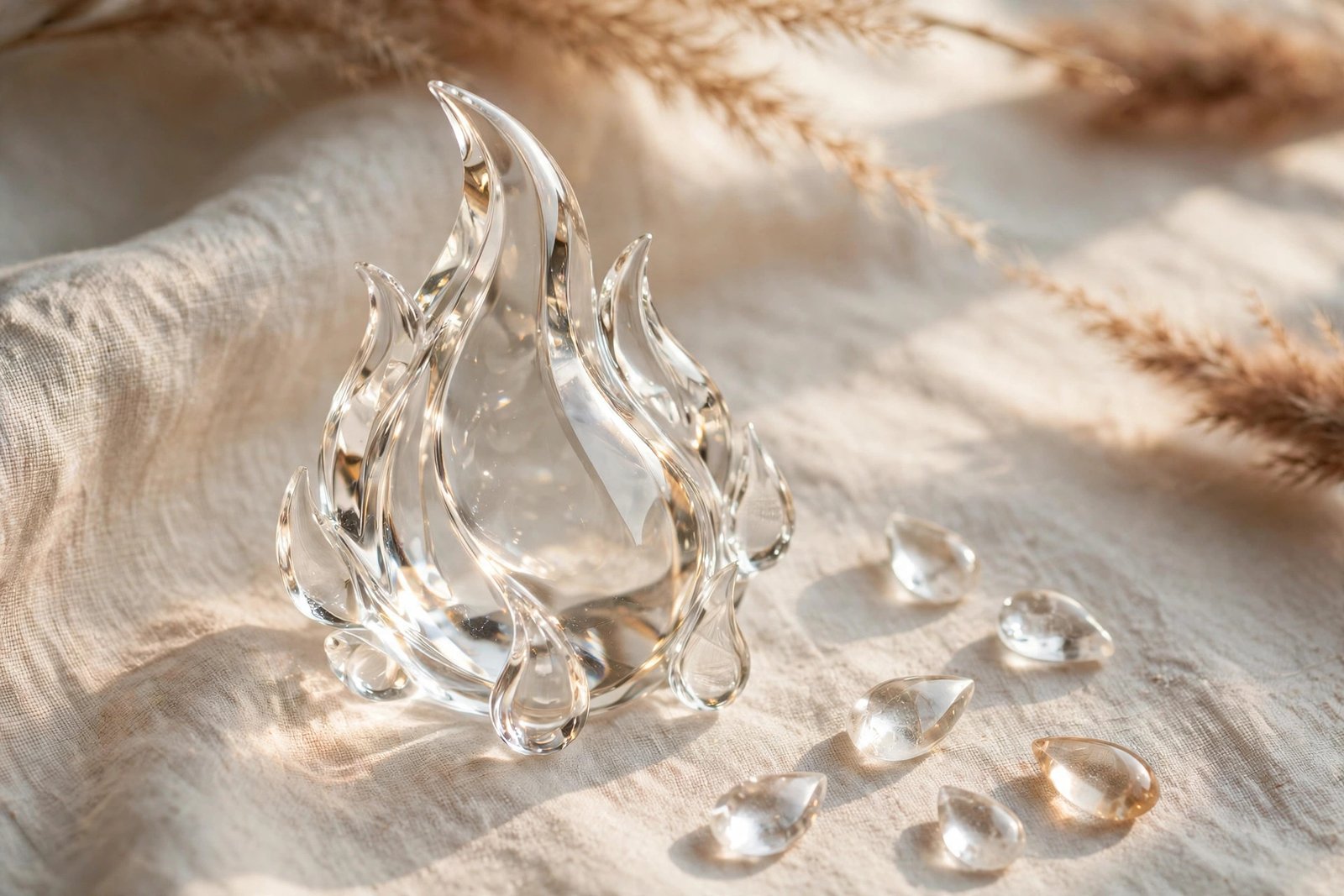
Some crystal shapes are all straight lines and sharp tips. Crystal flames are the opposite. With a wide, rounded base that twists and rises into a soft, flickering point, a flame carving looks like fire frozen mid-dance. Teardrop carvings share the same family — a plump, rounded bottom tapering to a gentle top — but without the flame’s characteristic swirl. Together they are among the most tactile, display-friendly shapes you can own, and this guide explains how to choose, place, and care for them.
Whether you are furnishing a calm corner or building a collection alongside pieces from the AVENSU shop, flames reward a closer look: no two are ever identical, because each one is finished by hand following the stone’s own banding and colour.
How Flame and Teardrop Carvings Are Made
A flame starts as a rough block. The carver first saws a teardrop outline, then grinds the sides with a deliberate twist, creating the spiral ridge that gives the flame its movement. Final polishing on progressively finer wheels brings out the gloss and reveals internal patterns — the smoky swirls in quartz, the sunset bands in polychrome jasper, or the purple zoning in fluorite.
Because the shape is sculptural rather than geometric, it depends entirely on the carver’s eye. Two flames cut from the same boulder can lean differently and catch light differently. That handmade quality is the appeal, but it also means you should always view the exact piece you are buying, ideally in a video or in person, checking for a stable flat base and an undamaged tip.
For background on how minerals form the colours carvers work with, Mindat.org offers free, detailed mineralogy profiles for every stone mentioned here.
What the Shape Symbolises in Tradition
In crystal tradition, crystal flame carvings are believed to represent transformation, passion, and renewal — the idea of old energy being burned away so something new can grow. The teardrop, meanwhile, is traditionally associated with emotional release, compassion, and gentle healing of grief. Neither claim is medical, and reputable sellers frame them exactly this way: as symbolism that helps you set an intention, not as a guaranteed outcome.
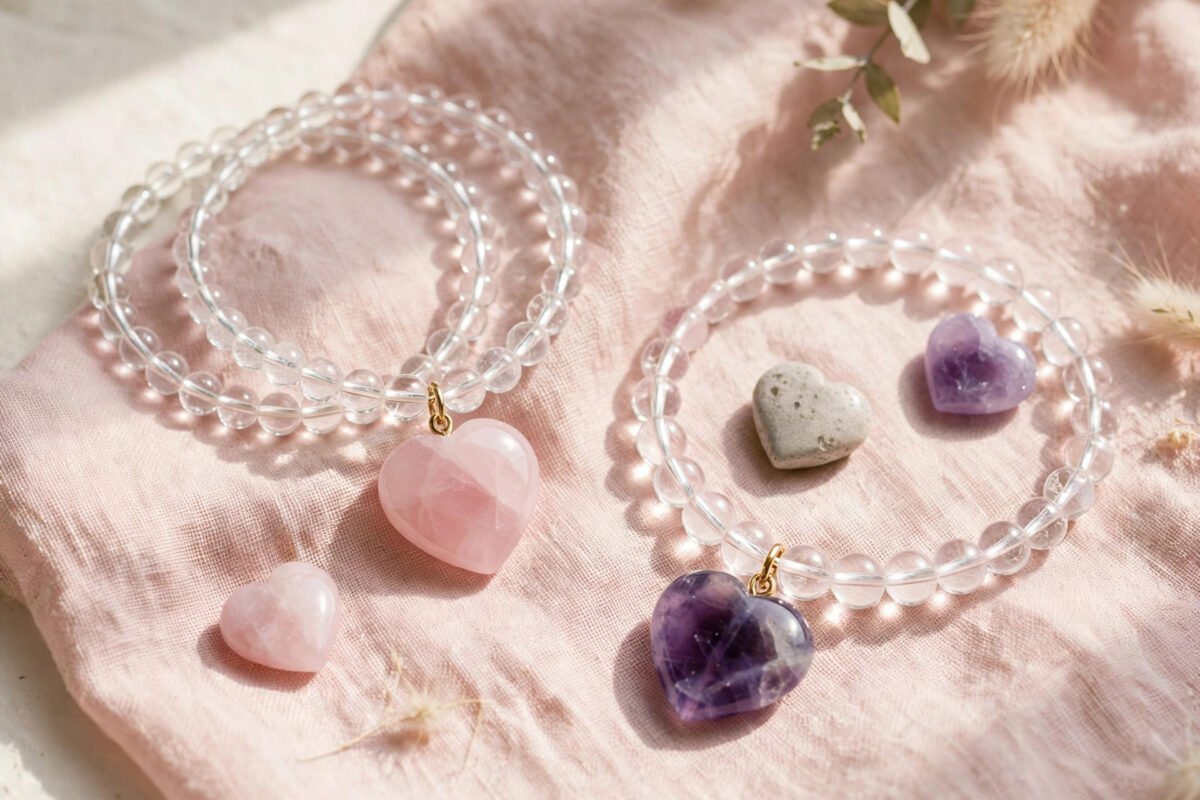
Flames pair naturally with heart-centred stones. If that theme speaks to you, read our rose quartz meaning guide and the heart chakra crystals deep dive to build a display around love and self-compassion. Many collectors wear a rose quartz or amethyst bracelet daily and keep the matching flame at home as the “anchor” piece of the set — explore wearable options in the AVENSU shop.
Best Stones for Flame Carvings
Polychrome (ocean) jasper is the classic flame stone: its teal, pink, and cream bands follow the twist beautifully and the material is hard enough to hold a high polish. Fluorite flames glow when backlit, but fluorite is soft (Mohs 4), so handle with care. Amethyst flames show lovely colour zoning; learn more in our amethyst meaning and properties guide. Smoky quartz and carnelian suit the fire theme — carnelian’s orange-red translucency genuinely looks like an ember.
Check hardness before buying any carving you plan to handle often, and confirm authenticity with the simple tests in how to tell if a crystal is real. Resin imitations of flame carvings exist, and they feel warm and light compared with real stone.
Displaying and Caring for Your Flame
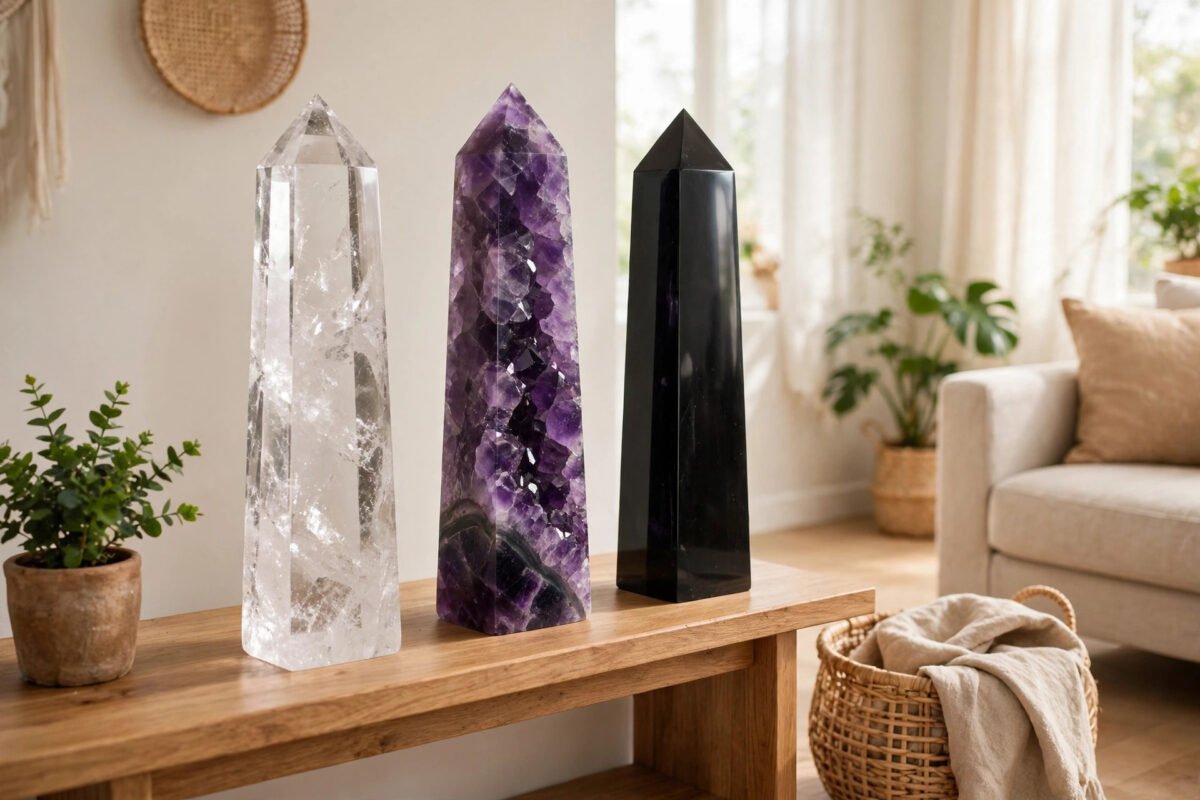
A flame’s wide base makes it one of the most stable display shapes — far more forgiving than a slim tower. Still, follow the placement basics in displaying large crystals safely: keep the tip away from shelf edges, avoid direct all-day sun for fade-prone stones like amethyst and fluorite, and dust with a soft dry cloth.
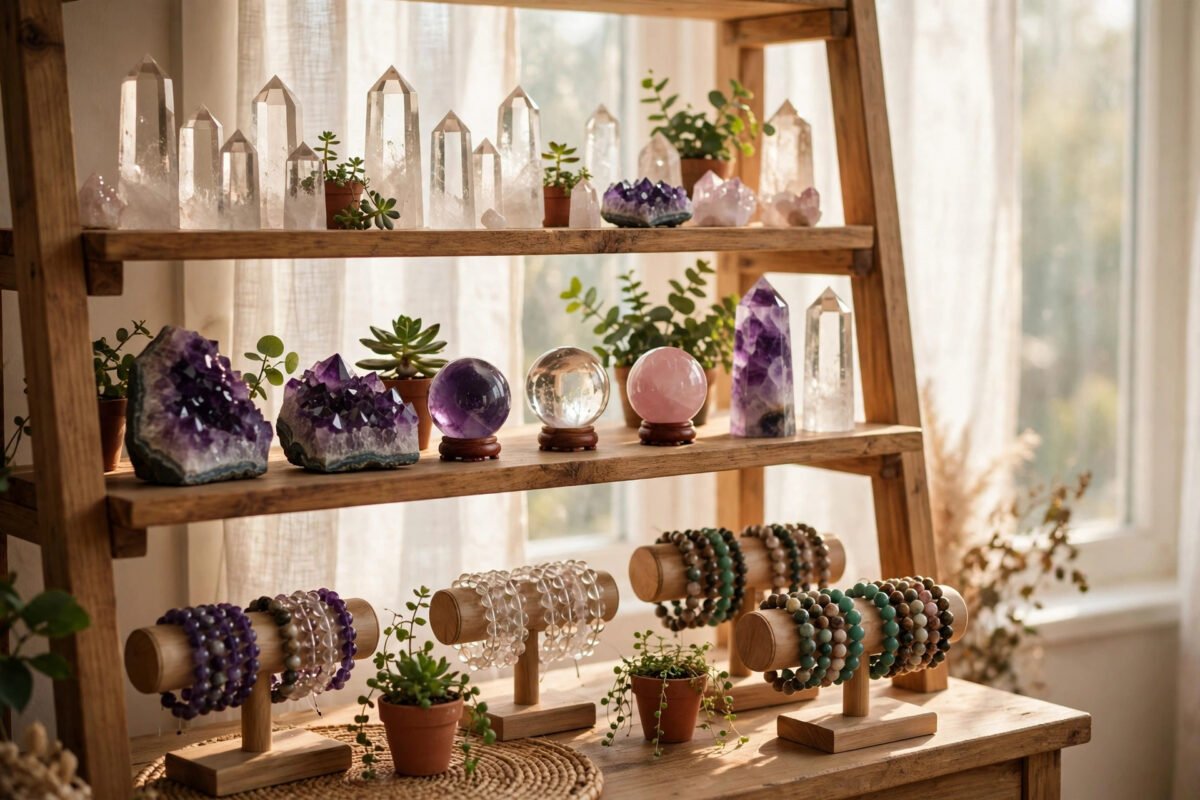
Flames look stunning in groups of three at staggered heights, on a wooden tray with a candle nearby (never touching), or as a single centrepiece on a mantel. Compare that effect with other centrepiece options in our spheres vs towers guide.
Cleaning is simple: lukewarm water and a drop of mild soap for hard stones like jasper and quartz, applied with a cloth rather than soaking. Our complete crystal bracelet care routine covers water safety by stone type, and the same rules protect carvings. If you also keep bracelets nearby, store them separately using how to store crystal bracelets so metal clasps do not scratch a polished flame. A grounding crystal bracelet worn while you arrange your display is a small ritual many AVENSU customers enjoy — tactile, calm, and entirely personal.
Frequently Asked Questions
Are crystal flames fragile?
The tip is the vulnerable part, as with any carving. The base is thick and sturdy. Transport flames wrapped individually in soft cloth, hold them with two hands, and never carry one by its tip. Small chips at the point are the most common damage.
What is the difference between a flame and a teardrop?
A teardrop is symmetrical and smooth all around, like a droplet. A flame adds a twist — an asymmetric spiral ridge that makes it look like moving fire. Flames are usually larger display pieces; teardrops also appear as pendants and palm stones.
Which size flame should I buy first?
A 7–10 cm flame is the sweet spot for a first piece: big enough to show banding and presence on a shelf, small enough to handle comfortably and afford in quality material. Go larger only when you have a dedicated, stable spot for it.
Can I keep a flame carving in the bedroom?
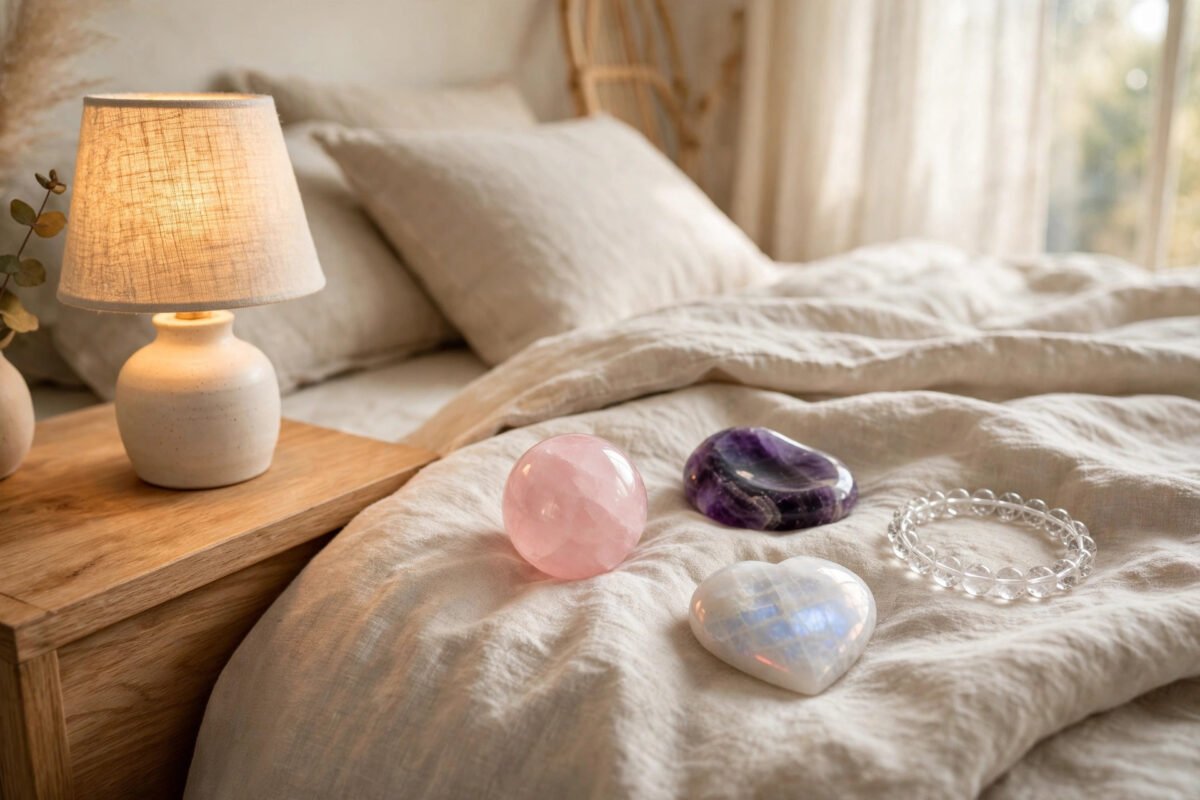
Yes. Many people find the soft, organic silhouette calmer than sharp towers near a bed. Choose traditionally soothing stones such as amethyst or rose quartz, keep it on a stable nightstand surface, and enjoy it as a visual wind-down cue.



 English
 Vietnamese