Few good-luck symbols are as instantly recognizable as the horseshoe. Nailed above farmhouse doors, printed on greeting cards, and worn as tiny charms on bracelets, it has been associated with protection and good fortune for centuries. Whether you hang one at home or simply enjoy the story behind it, the horseshoe offers a warm reminder that people have long looked for small, hopeful signs to carry with them.
In this guide, we will explore where the horseshoe tradition comes from, what its shape is believed to mean, and how to place one thoughtfully in your home. Along the way, we will also look at how it pairs with other classic luck traditions, from crystals to coins, so you can build a display that feels personal rather than superstitious.
Where the Horseshoe Luck Tradition Comes From
The horseshoe’s reputation is usually traced back to a mix of practical history and folklore. Horseshoes were made of iron, a material that in many European folk traditions was believed to repel misfortune. Because horses were valuable and essential for farming and travel, anything connected to them also carried associations with prosperity, strength, and safe journeys.
One popular legend tells of St. Dunstan, a 10th-century blacksmith who later became Archbishop of Canterbury. In the story, he outwitted the devil by nailing a horseshoe to his hoof, and the devil agreed to leave any home displaying a horseshoe alone. Historians treat this as folklore rather than fact, but the tale helped cement the horseshoe’s protective reputation across Britain and beyond. You can read more about the history and folklore on Wikipedia’s horseshoe page.
Another explanation is simpler and more visual. A horseshoe’s curved shape resembles a cup or a crescent moon, both long associated with holding and gathering. In that reading, the horseshoe does not create luck — it is believed to collect and keep the good fortune that passes through a home.
Ends Up or Ends Down? The Classic Debate
Ask ten people how to hang a horseshoe and you will likely hear two confident answers. The most common tradition in the United States and much of Europe is to hang it with the open ends pointing up, like the letter U. In this position, the horseshoe is said to act as a vessel that catches and holds luck so it does not spill out.
The other tradition hangs it with the ends pointing down. Supporters say this allows luck to pour down and shower over everyone who walks beneath it, which makes it a welcoming choice above a front door. Some families even choose based on heritage — Irish and British traditions vary by region — while others simply pick the orientation that looks best in their space.
There is no single correct answer, and that is part of the charm. What matters most in tradition is intention: hanging a horseshoe deliberately, as a symbol of the home you want to create, matters more than debating a few degrees of rotation. If you are pairing it with other entryway traditions, our guide to feng shui front door tips for good luck offers simple ideas for making an entrance feel inviting.
Best Places to Hang a Horseshoe at Home
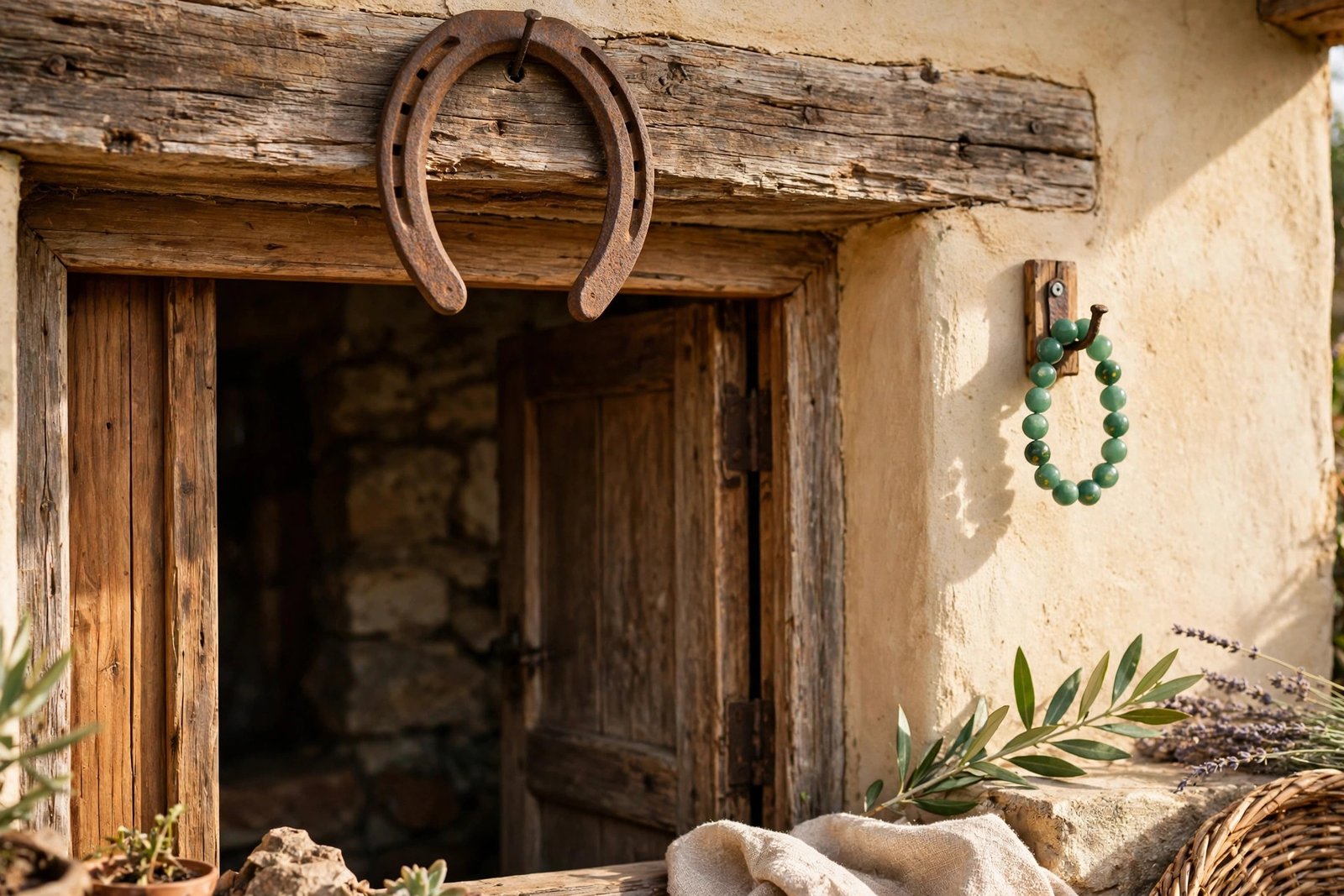
The classic placement is above the front door, either inside or outside. Outside, it greets visitors with a note of welcome and protection. Inside, it becomes part of your daily view — a small visual cue as you leave and return. Use a sturdy nail or hook, and if the horseshoe is a real, heavy iron one, make sure the fixing can support its weight securely.
Beyond the front door, horseshoes also work well above a barn, garage, workshop, or garden gate, where their connection to work, animals, and the land feels natural. Indoors, a smaller decorative horseshoe can sit on a bookshelf, mantel, or gallery wall alongside photos and keepsakes. In feng shui-inspired styling, entryways and wealth areas are popular spots for luck symbols generally; see our feng shui wealth corner guide for how people arrange that southeast area of a home.
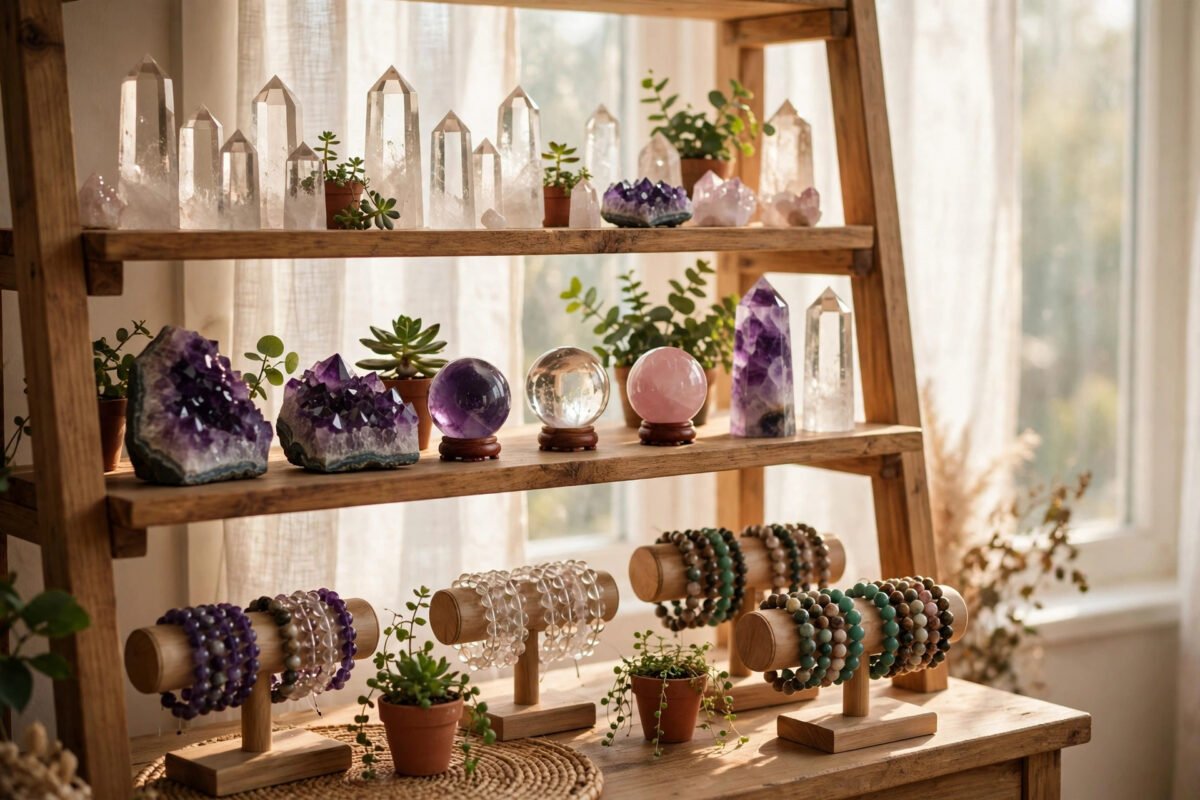
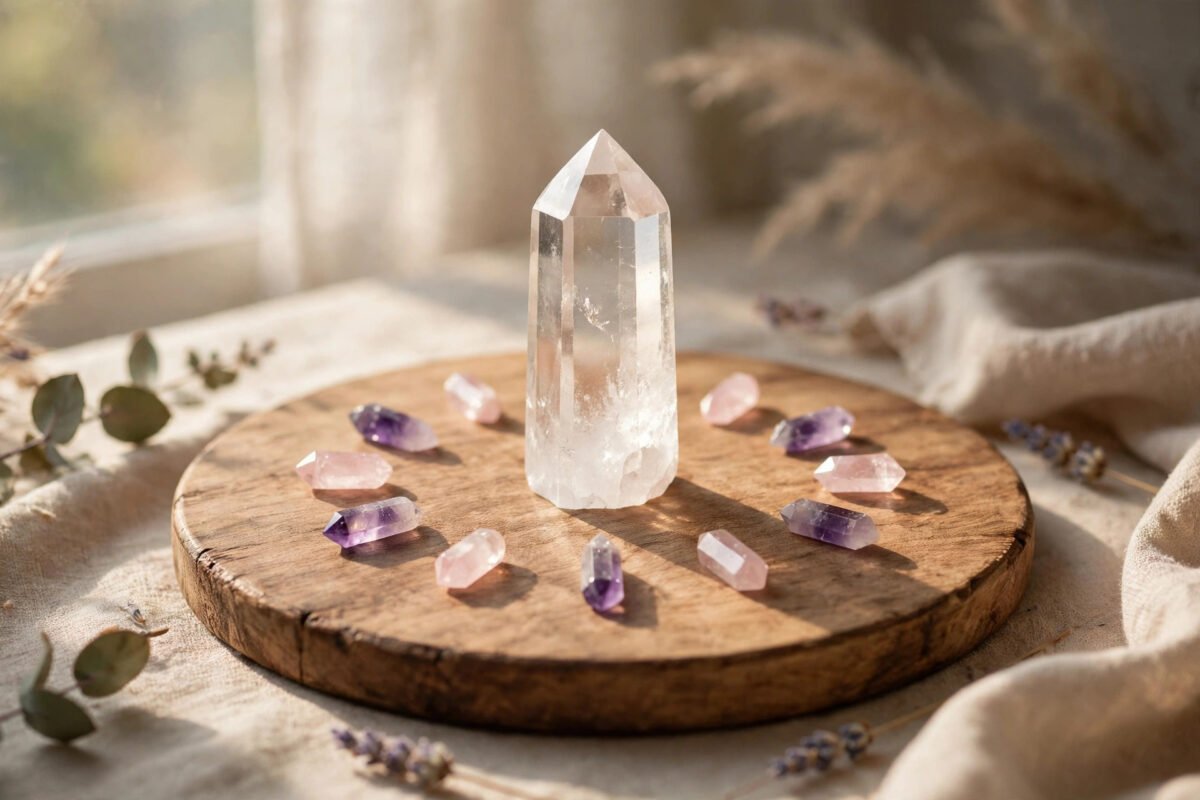
If you love layered displays, try combining a horseshoe with a small bowl of tumbled stones nearby. An AVENSU green aventurine bracelet resting by the door when you are not wearing it makes a pretty, personal pairing — green aventurine is traditionally associated with luck and opportunity, which echoes the horseshoe’s own story.
Horseshoes as Gifts and Wearable Charms
A horseshoe makes a thoughtful gift for a new home, a wedding, a new job, or anyone starting a fresh chapter. Its message is easy to understand without a long explanation: I am wishing you well. Vintage horseshoes from markets can feel especially meaningful, while new decorative versions in brass, ceramic, or wood suit more modern homes.
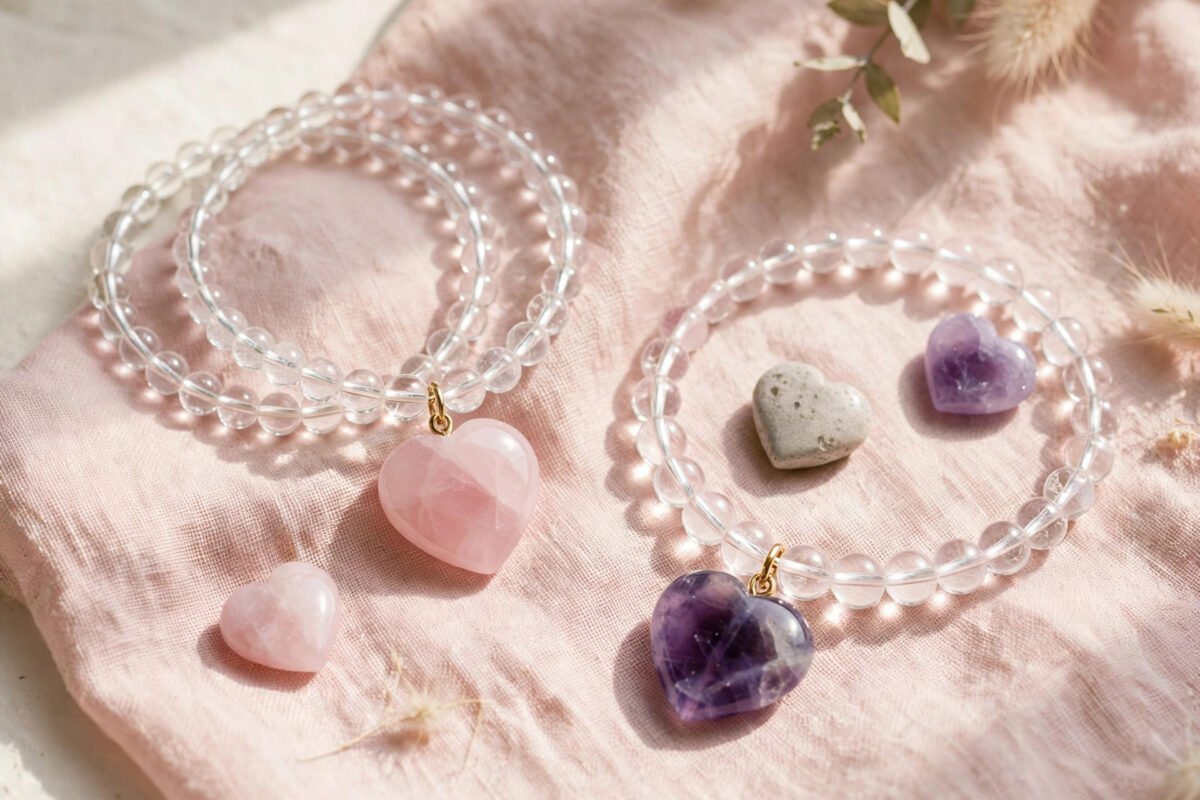
Wearable horseshoe charms are just as popular. You will find them on necklaces, key rings, and charm bracelets, often alongside other symbols like the four-leaf clover or a lucky coin. Many people wear an AVENSU crystal bracelet with a small horseshoe charm as a daily reminder of optimism — not as a guarantee of outcomes, but as a tangible intention they chose for themselves.
When giving a horseshoe, include a short note explaining the ends-up or ends-down tradition and let the recipient choose. That small invitation turns a simple object into a conversation and a keepsake, which is really what most luck symbols are for. For more gift inspiration, browse our ideas for good luck gifts for housewarming and the wider collection in the AVENSU shop.
Frequently Asked Questions
Is it bad luck to hang a horseshoe upside down?
No single rule applies everywhere. Ends-up is traditionally said to hold luck in, while ends-down is said to pour luck over a doorway. Both placements have long regional traditions behind them, so choose the meaning you prefer and hang it with intention.
Where is the luckiest place for a horseshoe?
Traditionally, above the front door is considered the classic spot, because it is where people, guests, and opportunities enter the home. Entryways, porches, and above interior doorways to important rooms are also popular choices.
Can I use a horseshoe that my horse actually wore?
Yes — in folklore, a worn horseshoe, especially one found rather than bought, was considered particularly lucky because it carried the energy of real work and travel. Just clean it well, check for sharp edges and rust, and seal it if you plan to display it indoors.
What crystals pair well with a horseshoe display?
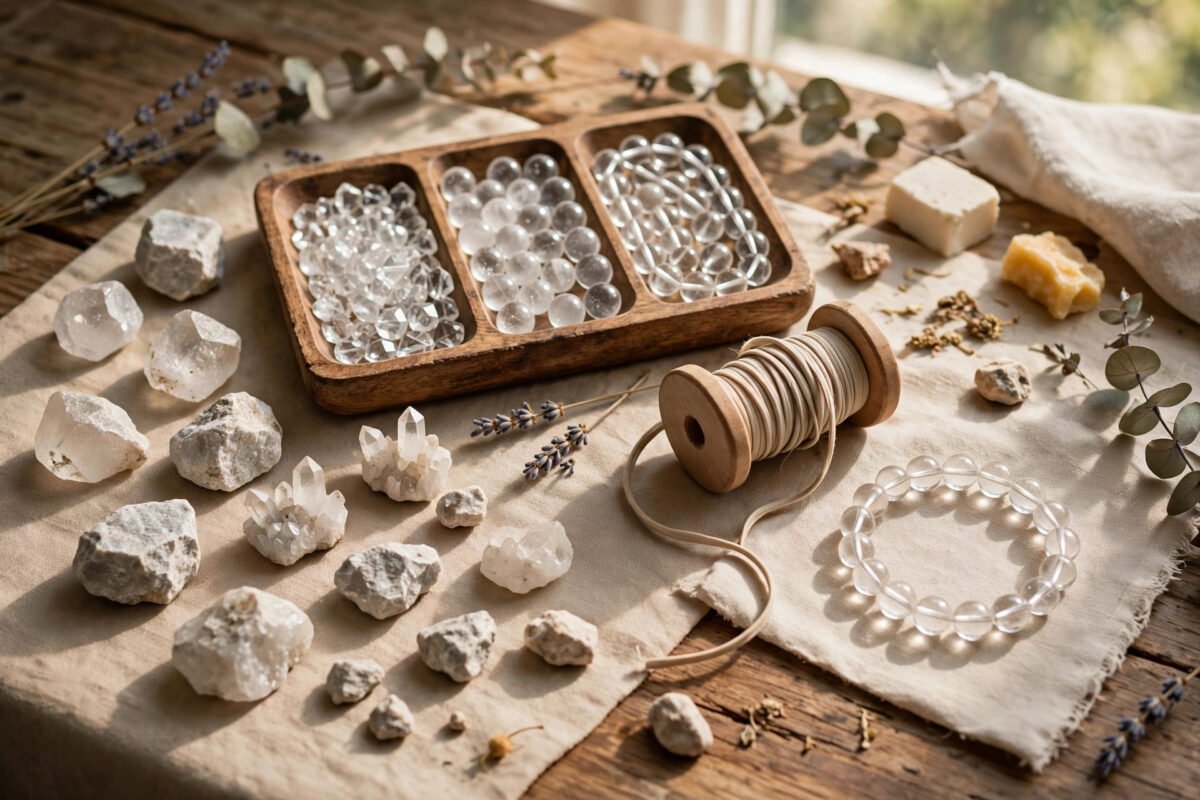
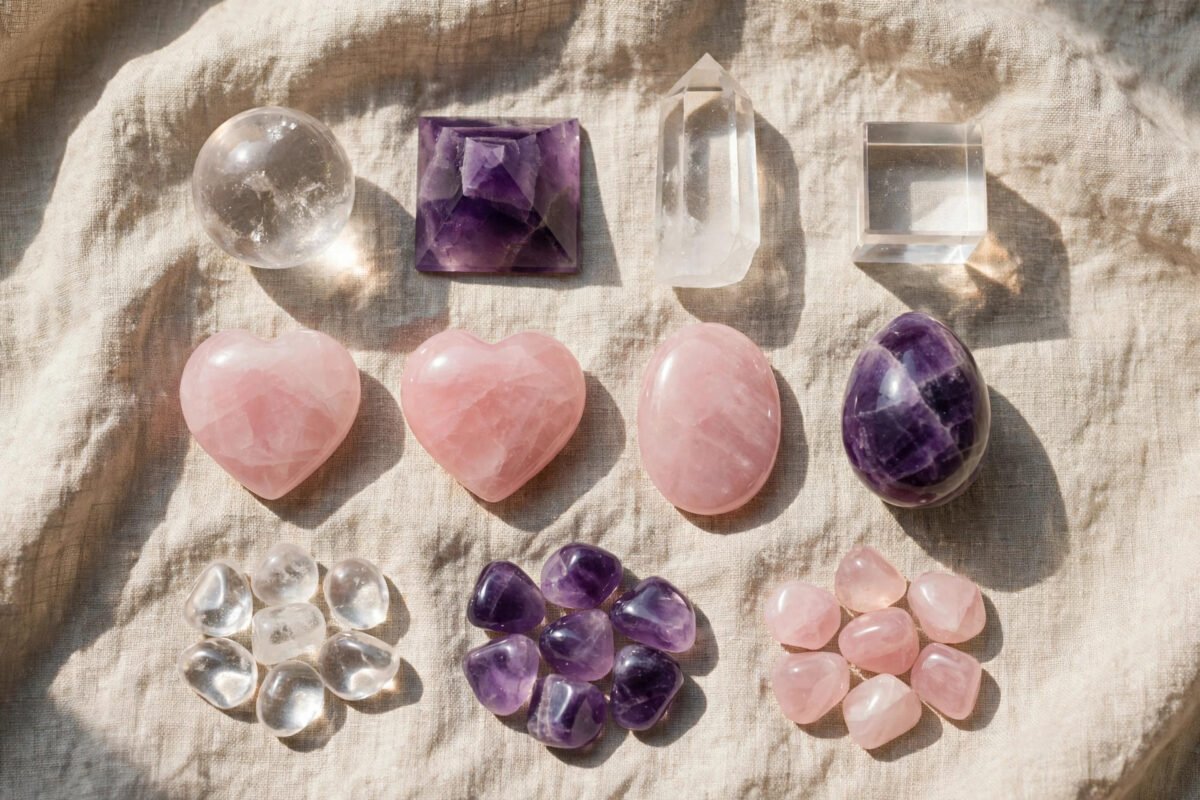
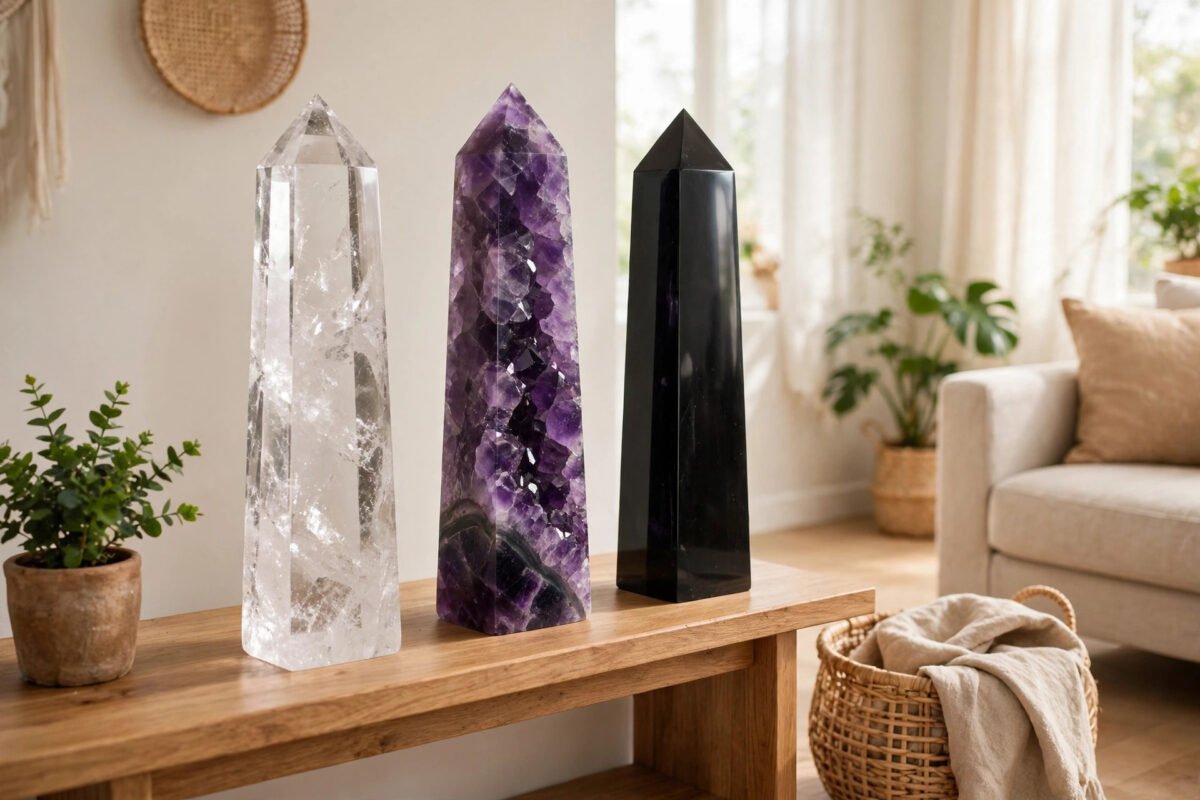
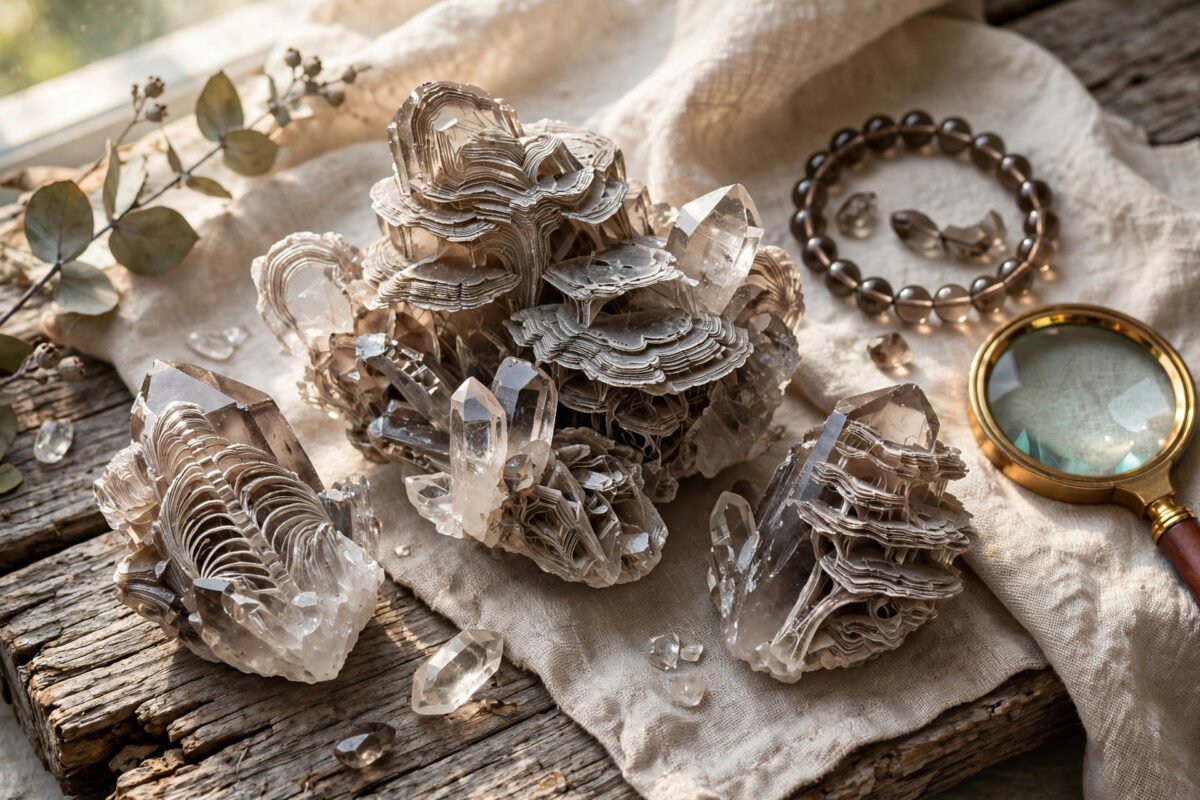
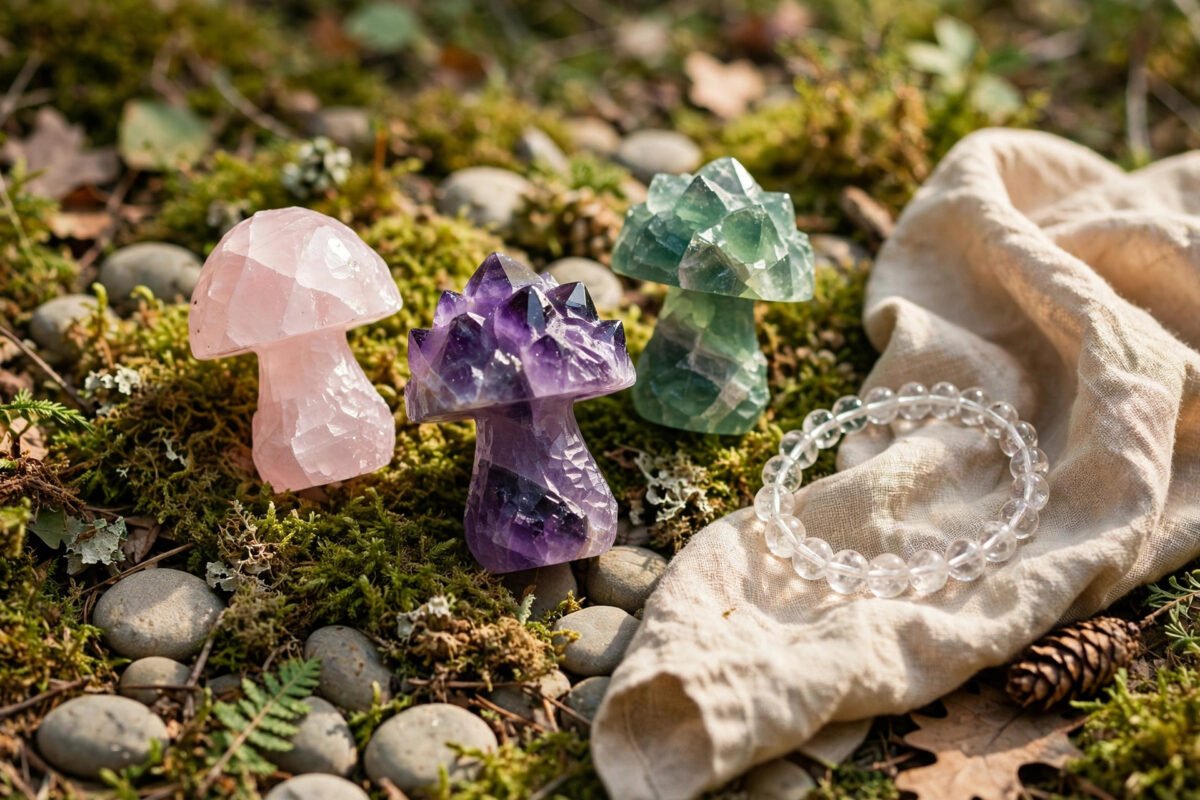
Green aventurine is traditionally associated with luck, citrine with abundance, and clear quartz with clarity of intention. A small dish of tumbled stones near your horseshoe, or an AVENSU bracelet you wear daily, creates a cohesive, personal luck corner.



 English
 Vietnamese