Almost everyone has a number. It appears in birthdays, addresses, jersey numbers, and the dates we circle on calendars. Cultures have built whole traditions around lucky numbers — eight for prosperity in Chinese tradition, seven as a classic lucky number in the West, four avoided in some countries and celebrated in others. Crystal tradition adds a layer to that story by pairing each number with a stone whose symbolism fits its character.
These pairings come from numerology and crystal folklore, and they are best enjoyed as tradition and personal symbolism rather than fact. Their real charm is how personal they make a gift or a daily bracelet: a stone chosen for your number carries a small story with it every time you wear it.
Below is a widely used set of pairings for numbers one to nine, plus notes on finding your own number if you do not have one yet.
Numbers 1 to 3: Beginnings, Balance, and Expression
Number one is traditionally linked to independence, leadership, and new starts. Its crystal is often given as sunstone or citrine — bright stones associated with confidence and self-belief. A one person starting a business or leading a project will find that pairing encouraging. See also our guide to lucky crystals for new beginnings.
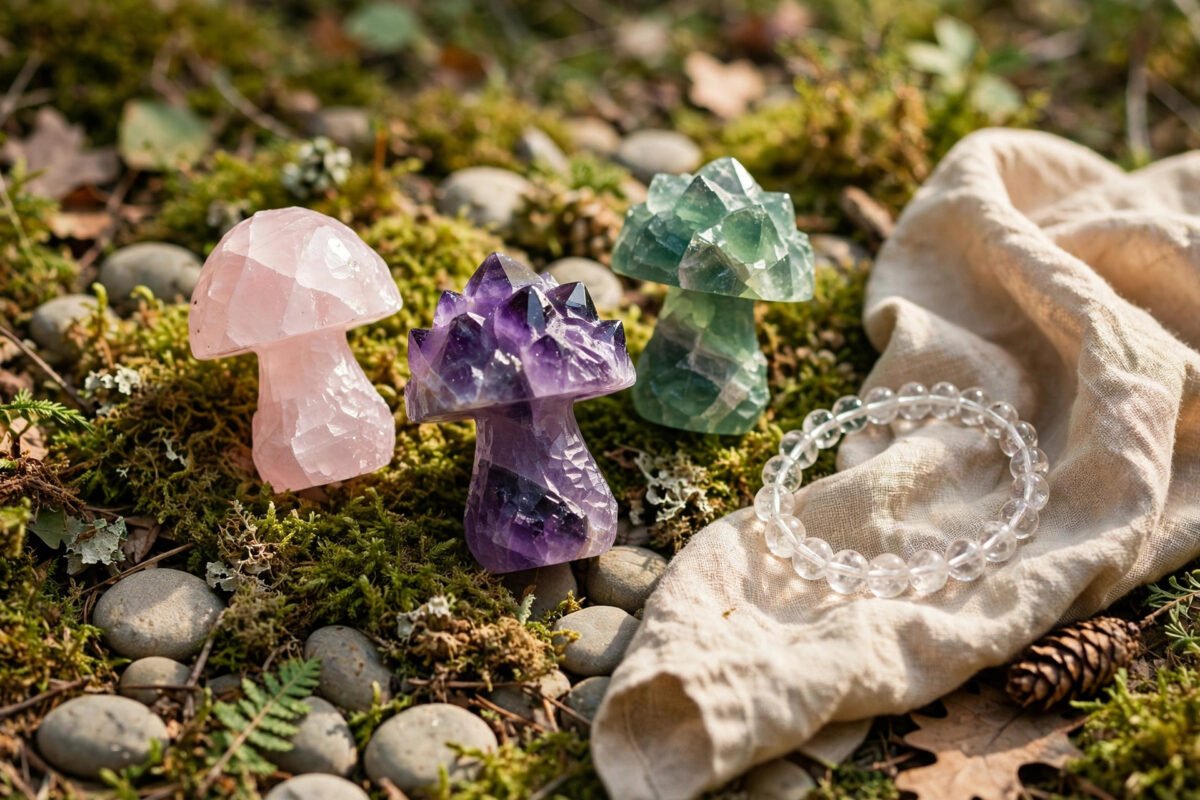
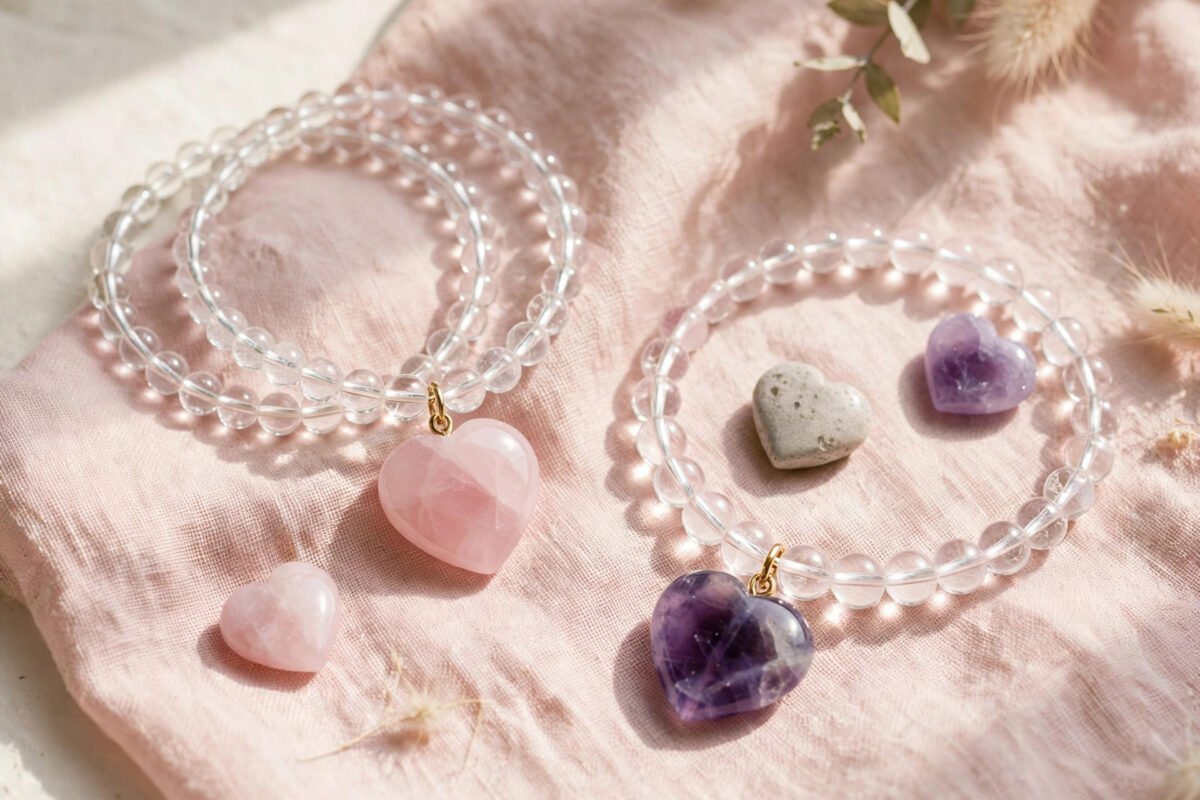
Number two symbolises partnership, patience, and diplomacy. Rose quartz, traditionally associated with harmony and kindness, is its usual stone. It suits people whose luck seems to arrive through relationships — the friend who introduces, the partner who encourages. Our rose quartz meaning guide explores that gentle symbolism.
Number three is the creative number in numerology tradition: expression, communication, and joy. Amethyst is often paired with it, believed to support intuition and calm self-expression, with lapis lazuli as an alternative for truthful speech. Creative threes may also enjoy lucky crystals for creativity.
Numbers 4 to 6: Stability, Freedom, and Care
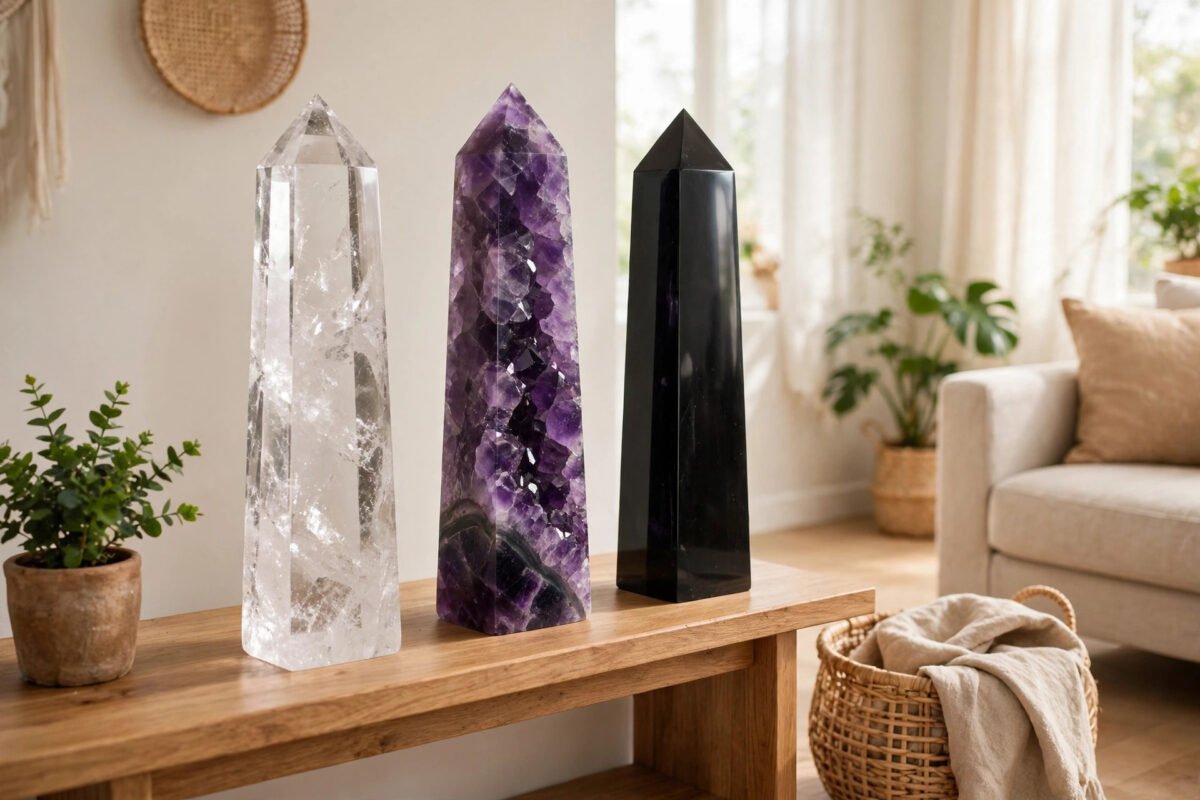
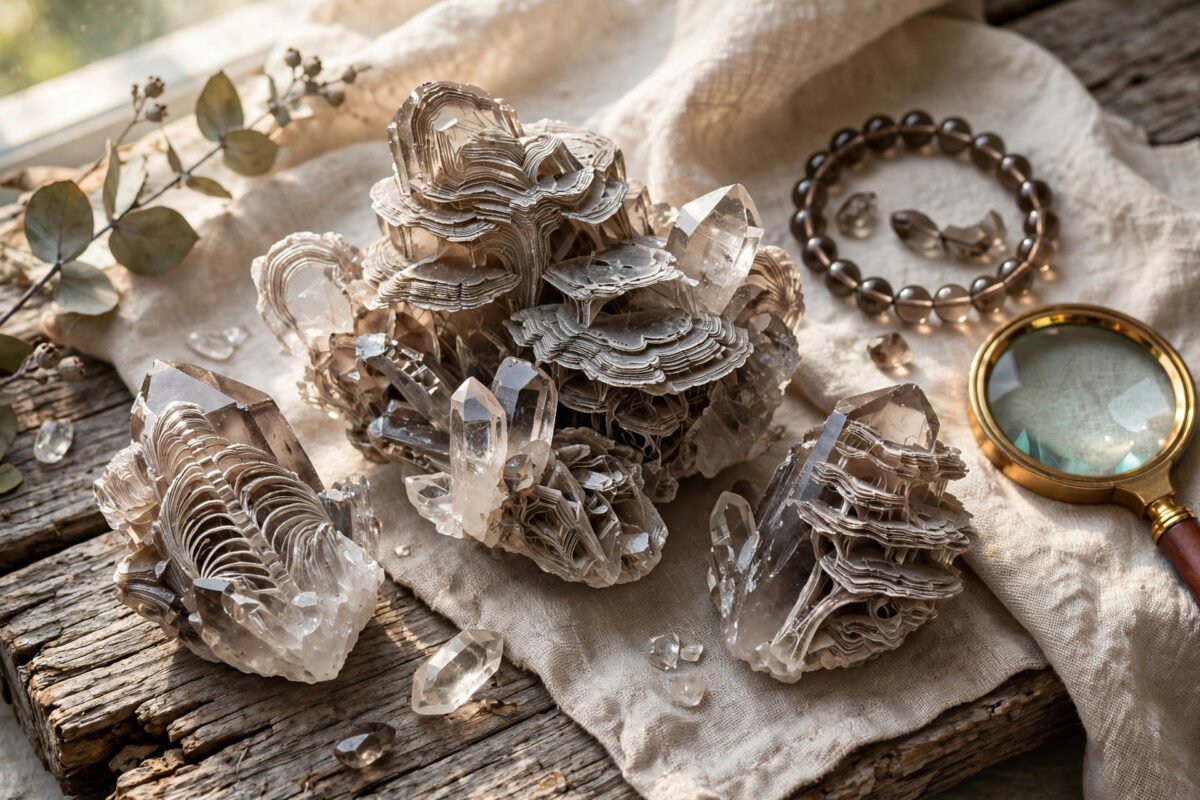
Number four stands for stability, craft, and building things that last — though note that in Chinese tradition four is often considered unlucky because its pronunciation resembles the word for death, a reminder that number luck is cultural, as Wikipedia’s article on Chinese numismatics and related folklore shows. In numerological crystal pairings, four is matched with black obsidian or smoky quartz, stones traditionally associated with grounding and protection. Read more in obsidian meaning and protection.
Number five is change, travel, and freedom. Turquoise and aquamarine are its classic pairings, both historically carried by travellers as protective, lucky stones. If five is your number and you are often on the road, our lucky crystals for travel luck and safety will feel made for you.
Number six symbolises home, care, and responsibility — the number of people who hold families and teams together. White jade is a fitting traditional pairing, valued in Chinese culture for purity and harmony; see white jade meaning in Chinese culture. An AVENSU white jade bracelet makes a meaningful six gift, because it honours steadiness rather than flash.
Numbers 7 to 9: Wisdom, Prosperity, and Completion
Seven is the most famous lucky number in Western tradition, linked to wisdom, reflection, and a touch of mystery. Its crystal is usually moonstone or clear quartz — stones associated with intuition and clarity. Moonstone’s traditional links are covered in moonstone meaning and intuition.
Eight is the great prosperity number in Chinese tradition, where its shape and sound suggest wealth and continuity; businesses pay premiums for eights in phone numbers and plates. Its crystal pairing is citrine or green aventurine, the two stones most associated with abundance and opportunity. An AVENSU citrine bracelet is a classic eight gift, and our lucky crystals for money and wealth guide goes deeper.
Nine completes the cycle and symbolises generosity, experience, and endings that make room for beginnings. Garnet and amethyst are common pairings, traditionally linked to vitality and wisdom. If you want to calculate a personal number from your birth date, our guide to lucky stones by life path number walks through the simple method step by step. You can browse number-inspired pieces for every digit at the AVENSU shop.
How to Use Your Lucky Number Crystal
Start by choosing your number honestly. It might be a life path number, a birthday digit, a number that recurs in your family, or simply one you have always liked. There is no test to pass; in tradition, the number that carries meaning for you is the right starting point.
Wear the paired stone as a daily bracelet, keep it on your desk, or give it to someone whose number you know — number-based gifts succeed because they prove you paid attention. A green aventurine bracelet for an eight, given with a card explaining the prosperity tradition, will be remembered long after generic gifts are forgotten.
Keep the framing light. These pairings are folklore and symbolism, enjoyed for centuries, not predictions. A lucky number crystal is a story you carry — and stories, worn daily, have a way of shaping what we notice and how boldly we act.
Frequently Asked Questions
How do I find my lucky number?
Common methods include using your life path number (adding the digits of your birth date until you reach a single digit), choosing a personally meaningful number such as a birthday or family number, or following your culture’s traditions. Any of these is valid for choosing a paired crystal.
Which crystal matches the luckiest number, eight?
Eight, the prosperity number in Chinese tradition, is most often paired with citrine and green aventurine, the crystals traditionally associated with abundance, confidence, and opportunity.
Are lucky numbers the same in every culture?
No. Seven is widely lucky in Western tradition and eight in Chinese tradition, while four is avoided in several East Asian cultures yet treated neutrally or positively elsewhere. Number luck is cultural folklore, so follow the tradition that is meaningful to you.
Can I wear a crystal for someone else’s lucky number?
Yes — it is a thoughtful way to honour a partner, parent, or friend, and a common choice for gifts and matching bracelets. Many people wear their own number on one wrist and a loved one’s number on the other.



 English
 Vietnamese