Chakra tradition divides the seven centers into two poles. The lower chakras — root, sacral, and solar plexus — deal with the physical and personal: safety, feeling, appetite, confidence, and getting things done. The upper chakras — heart, throat, third eye, and crown, with the heart as the bridge — deal with the relational and reflective: love, expression, insight, and connection. Most people lean toward one pole. They are either very practical and sceptical of anything abstract, or very reflective and forever forgetting the practical basics.
Balancing both poles does not mean splitting your attention evenly every day. It means noticing which end you neglect, and giving it deliberate, small doses of practice. This guide shows how to read your own lean and which crystals each tradition pairs with each pole. If you are deciding where to begin overall, read which chakra to work on first alongside this piece.
The Lower Pole: Root, Sacral, Solar Plexus
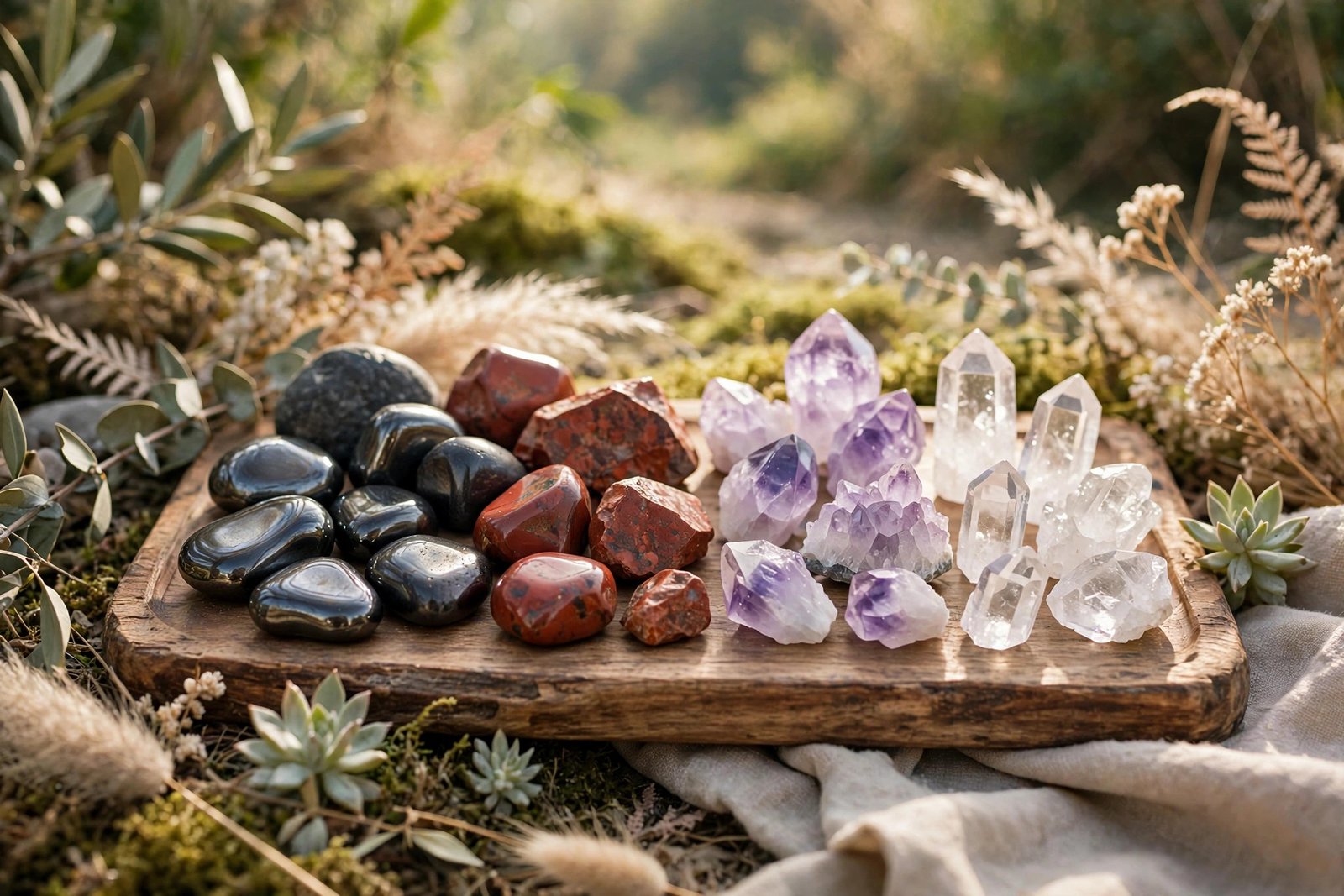
Lower chakra practice is concrete. Root work is sleep, food, money basics, and a home that feels stable; its traditional stones are red jasper, hematite, and black obsidian, covered in our root chakra crystals guide and grounding stones meaning guide. Sacral work is pleasure, movement, and creative play, paired with carnelian. Solar plexus work is follow-through and self-trust, paired with citrine and tiger’s eye; see solar plexus chakra crystals for the full list.
Signs the lower pole needs attention are unglamorous: irregular sleep, skipped meals, unfinished basics, a constant low hum of insecurity about money or home. In chakra tradition these are read as root-and-belly signals, and the prescribed response is boring on purpose — routine, warmth, weight, and finished small tasks, with a heavy stone in the pocket as a reminder.
The Upper Pole: Heart, Throat, Third Eye, Crown
Upper chakra practice is spacious. Heart work is kindness and grief allowed to move; its stones are rose quartz and green aventurine, detailed in our heart chakra stones guide and the rose quartz meaning guide. Throat work is honest speech, paired with aquamarine and sodalite. Third eye and crown work is meditation, intuition, and perspective, paired with amethyst, clear quartz, and selenite — see crown chakra stones with amethyst and our amethyst meaning guide.
Signs the upper pole is neglected look different: cynicism, difficulty receiving help, conversations that stay on logistics, no time unassigned to productivity. The traditional response is slowness — meditation, journaling, music, being outdoors without a podcast — with a light stone worn or held as the cue.
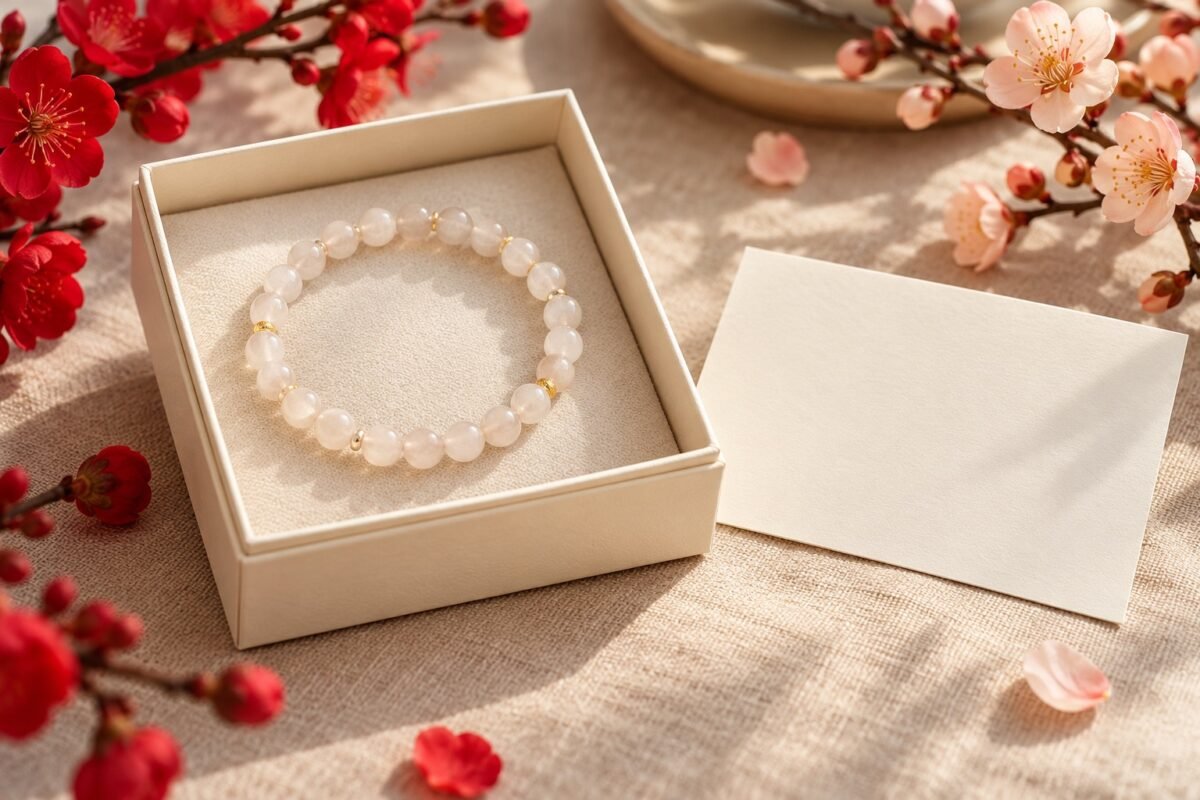
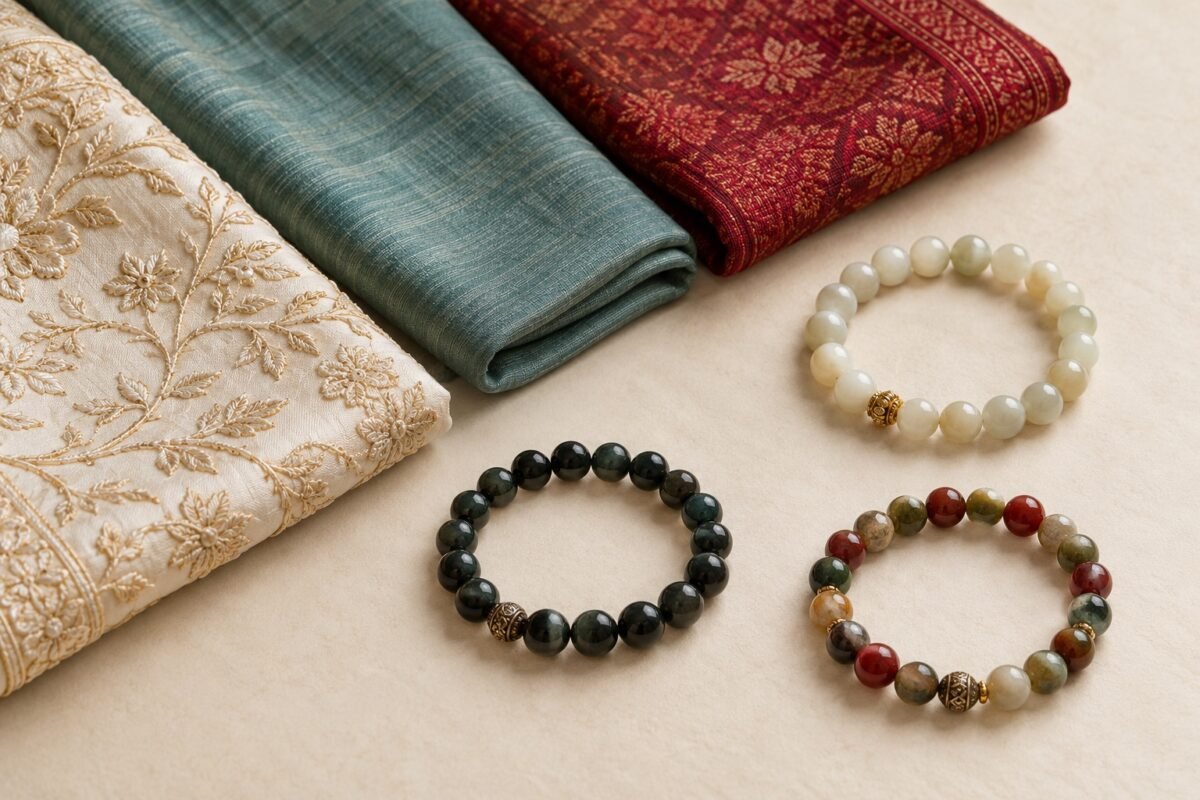
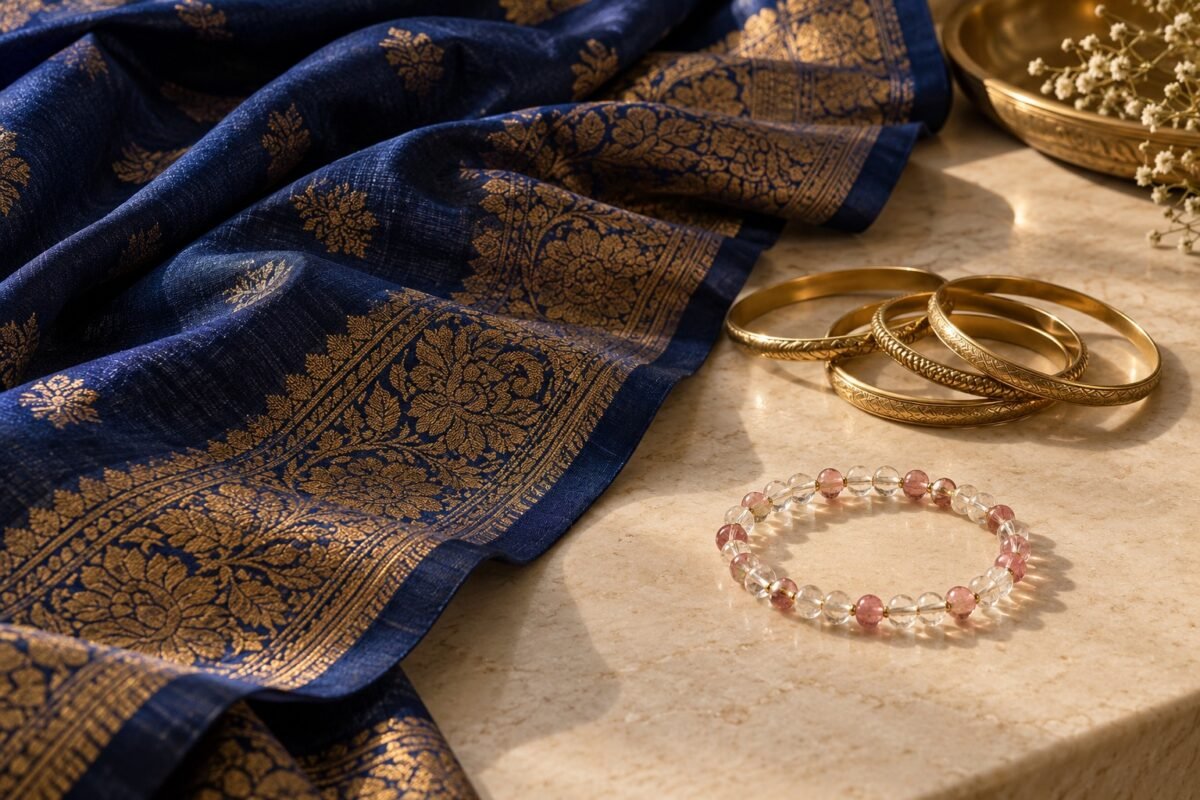
The opposite imbalance exists too. Plenty of reflective people use upper-chakra practice to avoid lower-chakra basics, meditating on an empty stomach in an overdue-rent flat. Tradition is blunt about this: the crown rests on the root. An AVENSU grounding bracelet worn on reflective days is a simple corrective, and the rose quartz love bracelet is a gentle heart-pole anchor for people rebuilding the middle.
A Simple Both-Poles Weekly Rhythm
Try a week shaped like the system itself. Monday to Wednesday, lower pole: wear grounding stones, keep one practical routine faithfully, finish one small thing daily. Thursday, heart day: one kind act, one honest conversation, rose quartz on the wrist. Friday to Sunday, upper pole: a meditation sit, a journal page, amethyst or clear quartz nearby, and one screen-free hour. Our chakra balancing beginners routine gives a daily version of this rhythm, and chakra affirmations and crystals supplies a mantra per center.
Some pairs of centers are traditionally worked together across the poles — root with heart, throat with third eye. Our guides to root and heart chakra crystal pairs and throat and third eye crystal pairs explain those pairings. Start your own set in the AVENSU shop, and for scholarly background on how the chakra model developed historically, the Wikipedia overview of chakra is a useful, sourced starting point.
Frequently Asked Questions
Are the upper chakras more important than the lower ones?
No. In chakra tradition the system is a column, not a ladder of worth. The heart is described as the bridge between the poles, and teachers consistently warn that upper-center practice without lower-center stability becomes escapism. Both poles need regular, ordinary attention.
How do I know which pole I lean toward?
Look at your defaults under stress. If you respond by organising, working, and tightening control, you likely retreat to the lower pole. If you respond by withdrawing, reflecting, and waiting for clarity, you likely retreat upward. Your neglected pole is the other one.
Which crystals should I buy first for balance?
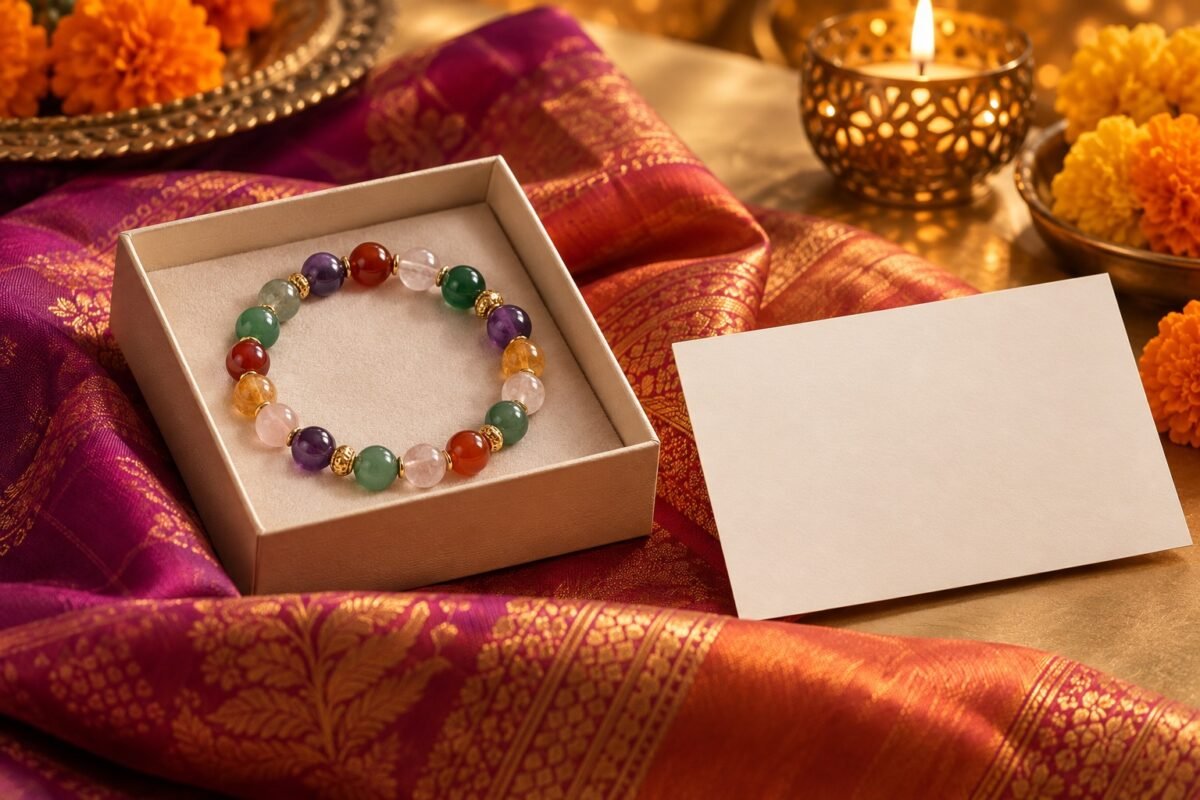
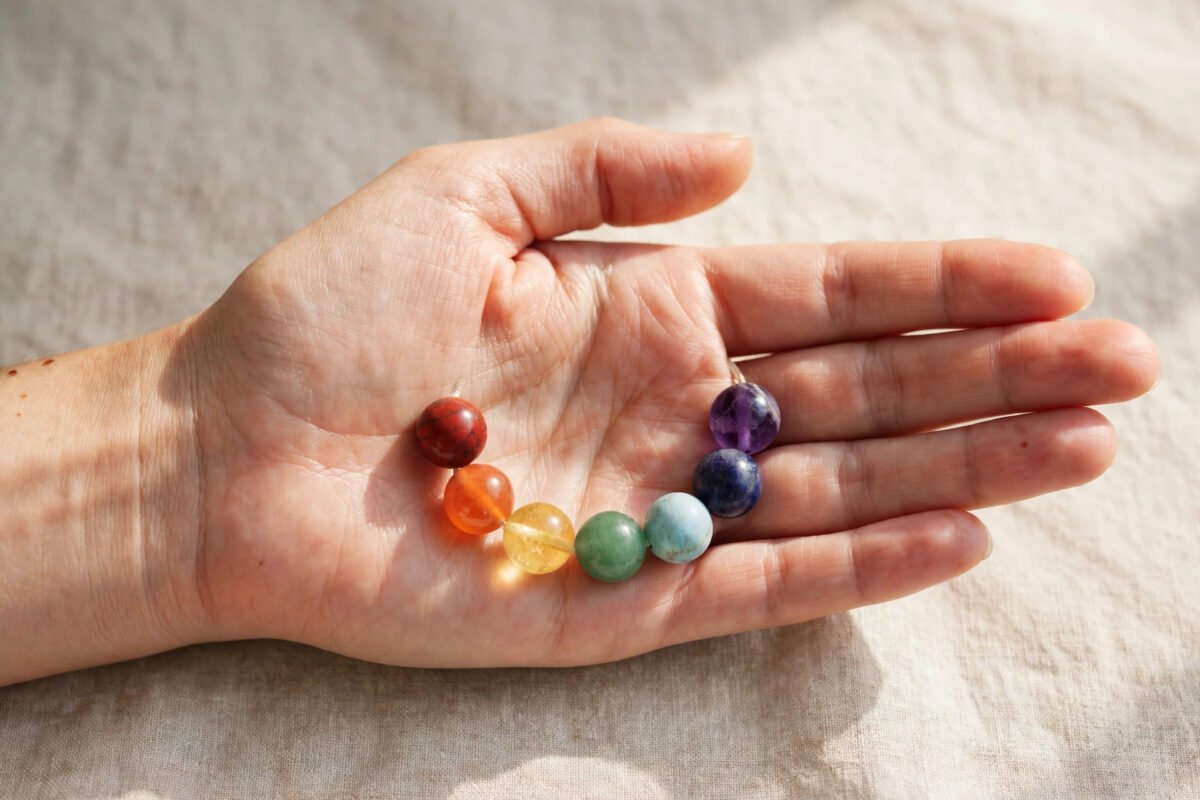
One grounding stone and one heart or upper stone cover most needs: hematite or red jasper for the base, plus rose quartz or amethyst above it. A seven-chakra bracelet contains the whole column in miniature and is the simplest single purchase for this work.
Can I work on both poles in one meditation?
Yes. A common pattern is to begin with grounding — feet flat, root stone in hand, slow breaths — then move attention upward center by center, finishing with a minute of silence. End by returning attention to the feet so the session closes grounded.








 English
 Vietnamese